Personalized dermatology care in Gangnam, Seoul
en-US

A Guide to Professional Skin Peels for Radiant Skin
Discover the benefits of professional skin peels for radiant, glowing skin. Learn how treatments work, what to expect, and how to get started today!
Introduction
Dermatologist-led insights from Gangnam, Seoul
Many patients who visit our clinic in Gangnam share a familiar concern. They are diligent with skincare routines, careful with sunscreen, and often well-informed about ingredients—yet their skin still appears dull, uneven, or marked by lingering pigmentation that makeup struggles to conceal. Some worry their skin is “too sensitive” for in-clinic procedures. Others fear that professional skin peels are harsh, outdated, or unsuitable for Asian skin.
These concerns are understandable, especially in a beauty culture where trends change rapidly and misinformation spreads easily. However, the reality is more nuanced. Modern professional skin peels, when designed and performed by a dermatologist, are among the most controlled, adaptable, and effective treatments for restoring skin clarity and radiance. The objective is not aggressive peeling, but precision-based renewal that respects skin biology.
This guide explains what professional skin peels are, why they work, who benefits most, and how we use them at Delight Dermatology Clinic as part of a long-term skin health strategy rather than a short-term cosmetic fix.
1. What Is a Professional Skin Peel?
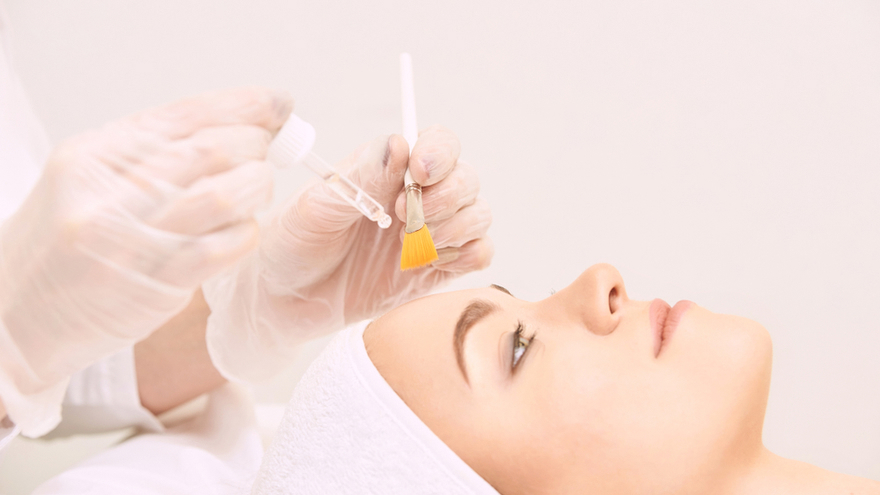
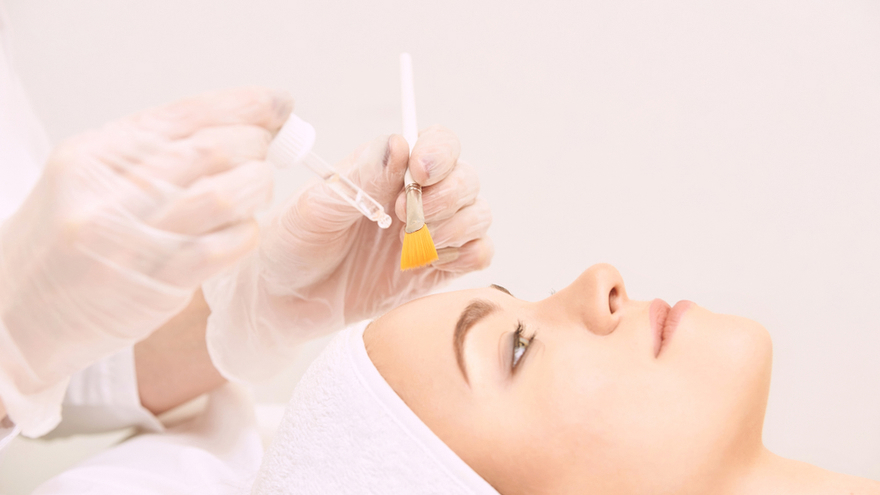
A professional skin peel is a medical-grade exfoliation treatment that uses carefully selected acids or peeling solutions to remove damaged outer skin layers in a controlled and predictable manner. Unlike at-home exfoliants, professional peels are:
Tailored to individual skin type, tone, and pigment risk
Applied at a specific depth determined by clinical goals
Adjusted in real time by a trained dermatologist based on skin response
From a medical perspective, peels are not simply cosmetic. They are used to reset abnormal skin turnover, reduce inflammation-driven pigmentation, and stimulate healthier regeneration.
Professional peels are commonly recommended to improve:
Hyperpigmentation and melasma
Acne and post-acne discoloration
Rough texture and visible pores
Early fine lines and loss of radiance
Rather than stripping the skin, a well-designed peel removes what interferes with even light reflection, allowing healthier, more uniform skin to emerge gradually.
2. Why At-Home Peels Often Fail
Many patients assume that frequent exfoliation automatically leads to brighter skin. In clinical reality, this belief is one of the most common reasons we see compromised skin barriers and persistent pigmentation.
At-home peels often disappoint because they:
Are too weak to induce meaningful cellular renewal
Are overused, leading to chronic irritation and micro-inflammation
Ignore individual variables such as melanin activity, barrier integrity, and hormonal influence
In Asian skin, even mild but repeated irritation can activate melanocytes, resulting in post-inflammatory hyperpigmentation (PIH). Ironically, patients trying to lighten their skin may worsen discoloration through unregulated exfoliation.
From a dermatologist’s perspective, the issue is not exfoliation itself—but unsupervised exfoliation without strategy.
3. Types of Professional Skin Peels
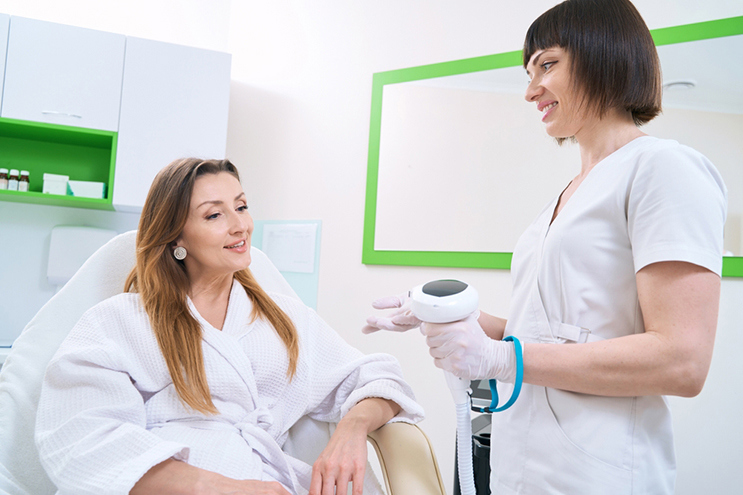
Professional skin peels are classified by depth, composition, and therapeutic purpose, not by how strong they feel during application.
3.1 Superficial Peels
Superficial peels target the outermost skin layer and are often used as an entry point for first-time patients or as ongoing maintenance treatments.
Commonly used acids include:
Glycolic acid for improving brightness and fine texture
Lactic acid for sensitive, dry, or barrier-impaired skin
Salicylic acid for acne-prone or oily skin
These peels work gradually and predictably. When performed at proper intervals, they act like consistent polishing rather than dramatic resurfacing, helping maintain clarity without downtime.
3.2 Medium-Depth Peels
Medium-depth peels penetrate deeper layers of the epidermis and are used selectively for more resistant concerns, such as:
Persistent pigmentation or sun damage
Post-acne discoloration
Early signs of photoaging
Because these peels interact more directly with pigment-producing cells, they must be performed under strict medical supervision—particularly in patients with darker or easily reactive skin tones. Careful patient selection and post-treatment management are essential for safety and success.
3.3 Combination Peels
In modern Korean dermatology, combination peels are widely used to balance efficacy and safety. By blending multiple acids at controlled concentrations, dermatologists can address several skin concerns simultaneously—such as pigmentation, congestion, and dullness—while minimizing inflammation.
This approach is especially valuable for patients seeking even tone and “glass skin” clarity without triggering sensitivity or rebound pigmentation.
4. How Professional Skin Peels Work
A common misconception is that skin peels work only by removing dead skin cells. In reality, their benefits extend well beyond surface exfoliation.
Professional skin peels work by:
Accelerating epidermal turnover, allowing pigmented cells to shed more efficiently
Modulating inflammation, which is critical in pigment-prone skin
Stimulating fibroblast activity, supporting collagen and elasticity
Enhancing absorption of post-peel skincare and regenerative treatments
We often explain this process to patients as rebuilding scaffolding beneath the skin. While the visible glow appears gradually, the biological repair process begins immediately after treatment.
5. Who Is a Good Candidate?
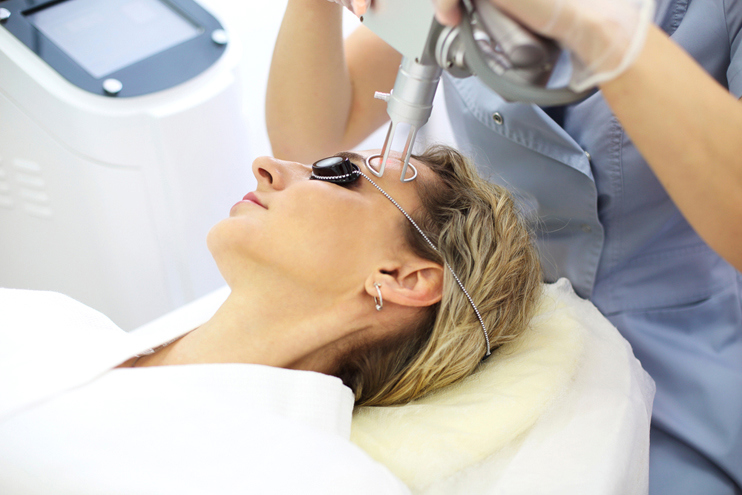
Professional skin peels are particularly helpful for patients who:
Experience recurring pigmentation despite consistent skincare
Notice dullness that makeup cannot fully conceal
Have acne marks that linger long after breakouts resolve
Want preventative anti-aging care without aggressive procedures
Patients in their 30s to 50s often benefit the most, using peels not as one-time interventions but as maintenance tools that preserve skin quality and slow visible aging.
That said, candidacy depends on individual factors such as skin sensitivity, lifestyle, sun exposure, and existing skin conditions—underscoring the importance of dermatologist evaluation.
6. What to Expect From Treatment
Before the Peel
Temporary discontinuation of retinoids and physical exfoliants
Assessment of skin barrier health, pigment risk, and medical history
Discussion of expectations, downtime, and aftercare
During the Peel
Mild tingling or warmth is common and expected
The procedure typically lasts 10–20 minutes
Skin response is monitored closely throughout
After the Peel
Possible light flaking, tightness, or dryness
Strict sun protection and barrier repair are essential
Results develop gradually over several days to weeks
One peel can refresh the skin. A structured series can alter how the skin behaves long-term, improving resilience and clarity over time.
7. Our Approach at Delight Dermatology Clinic
At Delight Dermatology Clinic, skin peels are rarely performed as standalone treatments. Under the leadership of Yun Sang Youl, peels are integrated into comprehensive, dermatologist-led skin programs that emphasize long-term stability.
Our approach includes:
Barrier repair and pigment stabilization before and after peels
Strategic combination with device-based treatments to support collagen health
Personalized treatment intervals instead of standardized packages
This philosophy is particularly valuable for patients who want visible improvement without compromising long-term skin integrity—especially international patients seeking safe, medically guided care in Seoul.
8. A Dermatologist’s Perspective
One insight we often share with patients is simple but often overlooked:
The healthiest skin is built through consistency, not intensity.
Overly aggressive peels may produce short-term brightness, but they can destabilize the skin barrier and worsen pigmentation over time. From a medical standpoint, restrained, well-timed interventions produce results that are both safer and more sustainable.
In dermatology, longevity matters more than immediacy.
9. Is a Professional Skin Peel Worth It?
If pigmentation, dullness, or uneven texture persists despite careful skincare, a professional skin peel may be the missing step—when performed thoughtfully and strategically.
Radiant skin is not about peeling everything away. It is about revealing healthy skin at the right pace, with respect for biology and long-term skin health.
If your skin concerns have been difficult to manage alone, consider a dermatologist-led peel program at a clinic that combines global training with a deep understanding of Korean skin standards. Often, the most meaningful transformation begins not with intensity, but with a gentle, well-planned reset.