Personalized dermatology care in Gangnam, Seoul
en-US

Acne Treatment Seoul: Medications, Lasers & Protocols
Discover how acne treatment Seoul clinics use lasers, medications, and clinical protocols to clear skin. US patient guide from Delight Dermatology Clinic, Seoul.

Introduction
You have tried every US dermatologist recommendation, the antibiotics, the topical retinoids, the microneedling session that cost $400 and delivered nothing close to what you saw in before and after photos. If you are a US patient who has been quietly watching TikTok videos of Korean acne treatment results and asking yourself whether they are real, the short answer is yes. If you have been searching for acne treatment Seoul options that go beyond what US clinics offer, the clinical explanation for why Seoul gets different results is genuinely worth understanding before you book anything.
American dermatology treats acne reactively, one product or one procedure at a time, rarely combining modalities into a coordinated protocol. Korean dermatology, specifically physician-led clinics in Seoul like Delight Dermatology Clinic, approaches acne as a multi-system skin condition requiring simultaneous laser, medication, and barrier repair management, calibrated to your specific skin type and acne classification. That clinical difference is exactly why US patients are flying to Seoul and coming back with results that look different from anything they achieved at home.
By the end of this guide, you will understand exactly which medications, laser protocols, and clinical treatments Delight Dermatology Clinic uses for acne. You will also understand why the Korean approach to acne treatment produces different outcomes than typical US clinic protocols, how the costs compare between Seoul and your home city in the US, what the realistic recovery timeline looks like after acne laser treatment in Seoul, how to access isotretinoin as a US foreigner at Delight Dermatology Clinic, and how to book, prepare, and plan your trip from Miami, New York, Chicago, Houston, or Phoenix.
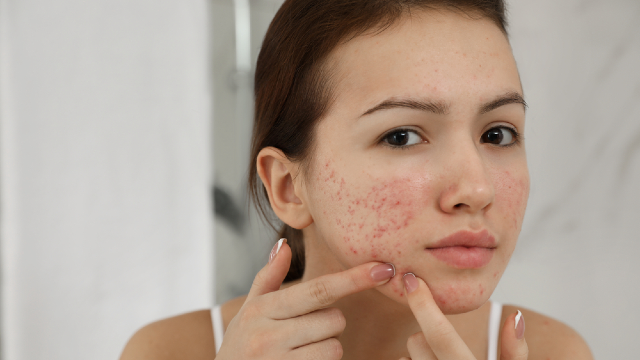
What Makes Acne Treatment Seoul Different from What You Get in the US?
If you have a medical background or simply a high standard for evidence, you already know that marketing language does not explain outcomes. The real difference between acne treatment Seoul and what you receive at a typical US clinic is structural, rooted in how Korean dermatology was built and how physician-led practices operate compared to the nurse practitioner-run med spa model that dominates most US markets. Understanding this distinction is what separates an informed clinical decision from simply following a travel trend.
The Protocol Difference: Multi-Modal vs Single-Step
At most US outpatient dermatology practices, you receive one modality per visit, and those visits are often with a nurse practitioner or physician assistant rather than a board-certified dermatologist. You might get a prescription for doxycycline at one appointment, a referral for a chemical peel months later, and a microneedling recommendation years down the line. The modalities are never synchronized because the US system is not designed to coordinate them within a single clinical episode.
Korean acne treatment, and specifically the approach used at Delight Dermatology Clinic, works from a fundamentally different model. A single visit can include a topical prescription, an oral medication plan, a laser treatment targeting the sebaceous gland, and a barrier repair protocol, all assessed and executed by a board-certified dermatologist in one coordinated plan. This is not convenience as a selling point. It is a clinical philosophy that produces additive and synergistic results because the interventions reinforce each other rather than operating in isolation. The combination approach accelerates results by addressing inflammation, bacterial load, sebum overproduction, and skin barrier dysfunction simultaneously.
The role of physician oversight is also different. At Delight Dermatology Clinic, every laser device is physician-operated, every acne assessment is physician-led, and the treatment plan is not delegated to a technician after the initial consultation. This is a standard that is increasingly rare in US markets where laser technicians often operate devices with only surface-level training. Korean dermatology acne protocol would require a level of clinical oversight that is simply not economically viable in the US outpatient model.
The Technology Gap That Actually Matters
Several specific technologies used routinely at Korean dermatology clinics remain either unavailable or dramatically underutilized in the US. AGNES RF, a device that uses ultra-fine microneedles to deliver radiofrequency energy directly to sebaceous glands, is not widely available in US med-spas because the clinical training requirement is substantial. PDT acne treatment Korea is available at a fraction of US cost, making it a practical first-line option rather than a last resort. Dual laser toning with Q-switched Nd:YAG is more clinically deployed in Seoul dermatology practices than in the US, where it is often reserved for pigmentation treatment rather than active acne management.
Laser and Light-Based Acne Treatments at Delight Dermatology Clinic
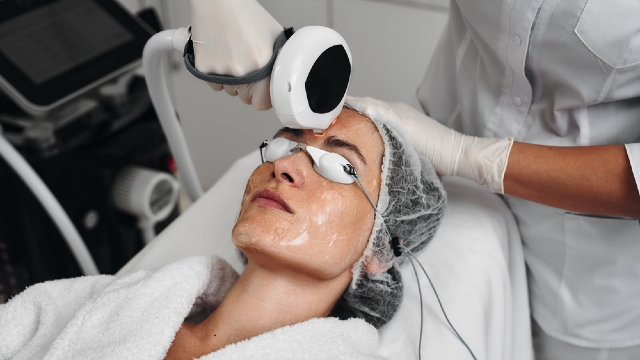
If you have done any research into Korean acne treatment, you have likely encountered a list of laser names with no clinical context. This section is different. Below is a complete breakdown of every laser and light-based technology used for acne at Delight Dermatology Clinic, including what each one does, who it is appropriate for, and what the realistic downtime looks like for a US patient on a seven to ten day trip.
Laser Toning and Q-Switched Nd:YAG for Active Acne
Laser toning using a Q-switched Nd:YAG device targets melanin and acne-causing bacteria simultaneously through a mechanism that reduces sebum production while also addressing post-inflammatory hyperpigmentation, commonly known as PIH. This makes it particularly effective for patients dealing with both active inflammatory acne and the dark marks that linger after breakouts resolve.
For a US patient arriving on a seven to ten day trip, a typical laser toning protocol includes one to three sessions. The sensation during treatment is mild, often described as a warm snapping feeling on the skin surface, and downtime is minimal to none. Most patients can return to light sightseeing the same day. This treatment is particularly well suited for Fitzpatrick III to IV skin tones, including Hispanic and Latin American patients, because the laser parameters can be adjusted to minimize the risk of heat-induced PIH while still delivering effective acne control. Acne laser treatment Seoul performed with laser toning is one of the most accessible entry-point procedures for first-time medical visitors.
AGNES RF: Targeting the Sebaceous Gland Directly
AGNES RF is one of the most clinically significant acne treatments available at Delight Dermatology Clinic and one of the clearest examples of the technology gap between Korean dermatology and what most US practices offer. The device uses ultra-fine, insulated microneedles to deliver radiofrequency energy precisely to the sebaceous gland located beneath the skin surface, not to the overlying epidermis.
This distinction matters enormously. Most acne treatments address either the bacteria causing inflammation or the skin surface itself. AGNES RF acne Korea treatment addresses the root cause of acne, which is excess sebum production originating from overactive sebaceous glands. By delivering targeted RF energy directly to those glands, the treatment reduces their activity without damaging surrounding tissue. This is why results from AGNES RF are clinically meaningful and durable in a way that surface-only treatments cannot replicate.
Results begin appearing two to four weeks after treatment, with cumulative improvement continuing over three months as the sebaceous glands reduce their activity. Downtime after AGNES RF involves two to five days of mild swelling and pinpoint marks at the needle insertion sites. For US patients, one to two sessions on a single Seoul trip is a realistic and clinically productive protocol. AGNES RF is rarely available in US med-spas precisely because the clinical training requirement is high, the procedure demands physician-level precision, and the device calibration is not forgiving of operator error.
PDT (Photodynamic Therapy) for Severe and Cystic Acne
PDT works by applying aminolevulinic acid to the skin surface, which is then activated by a specific wavelength of light. The light-activated compound targets and destroys acne-causing bacteria while simultaneously reducing sebaceous gland activity. PDT acne treatment Korea is one of the most effective options for moderate to severe inflammatory acne and cystic acne that has not responded adequately to topical treatments alone.
The best candidates for PDT are patients with moderate to severe papulopustular acne or hormonal cystic acne that continues to resist standard interventions. Downtime involves three to five days of increased photosensitivity and visible redness, during which patients must strictly avoid sun exposure. The cost in Seoul is a fraction of US PDT pricing, which makes it a realistic treatment option within a standard medical visit rather than a premium add-on.
Is Laser Acne Treatment Safe for Your Skin Tone?
For US patients with Fitzpatrick III to IV skin tones, including patients of Hispanic, Latin American, South Asian, and Middle Eastern heritage, skin tone safety is a legitimate clinical concern when considering laser treatment. The short answer is that Delight Dermatology Clinic regularly and safely treats patients across this entire Fitzpatrick range with a specific protocol designed for melanin-rich skin.
Dr. Hui Young Shin, Dermatology Specialist and Director at Delight Dermatology Clinic, uses lower fluence settings and extended cooling protocols for olive and medium-brown skin tones. These adjustments protect melanin-rich skin from the heat-related PIH risk that can occur when device settings are calibrated for lighter skin and applied without adjustment to darker tones.
Laser Treatment Comparison at Delight Dermatology Clinic
| Laser or Device | Acne Type Targeted | Fitzpatrick Safe | Downtime | Sessions on One Trip |
|---|---|---|---|---|
| Q-Switched Nd:YAG | Inflammatory, PIH | III to V | None to 1 day | 1 to 3 |
| AGNES RF | All types, sebaceous | III to V | 2 to 5 days | 1 to 2 |
| PDT Blue Light | Severe, cystic | III to IV | 3 to 5 days | 1 to 2 |
| Fractional CO2 | Post-acne scarring | III to IV (with caution) | 5 to 7 days | 1 |
| Chemical Peel | Mild to moderate, PIH | III to IV | 2 to 4 days | 1 to 2 |
Medications and Prescription Protocols for Acne at Delight Dermatology Clinic
One of the most significant gaps in content about acne treatment Seoul is the absence of practical guidance on medication access for US patients. Whether you need a topical prescription, a course of oral antibiotics, or access to isotretinoin, this section walks you through exactly what is available, how the prescribing process works for foreigners, and what you should bring or prepare before your trip.
Topical Prescription Protocol at Delight Dermatology Clinic
Delight Dermatology Clinic prescribes a full range of topical acne medications during a single consultation visit. This includes tretinoin, adapalene, clindamycin gel, and azelaic acid, all prescribed based on your specific acne classification and skin type. Combination topical strategies that pair a retinoid with benzoyl peroxide and a barrier repair moisturizer are routinely used as part of the clinic's active acne management approach.
Korean prescription topicals are significantly more affordable than equivalent medications at a US pharmacy, particularly without insurance. US patients receive a written prescription at the end of their visit, which they can fill at a nearby pharmacy in Gangnam or take home and have filled by a US provider who recognizes the equivalent formulation. The consultation also covers barrier repair guidance, which is particularly important for patients whose skin has been compromised by prolonged use of drying actives.
Oral Antibiotics and Hormonal Acne Treatment at Delight Dermatology Clinic
For moderate to severe inflammatory acne, Dr. Yun Sang Youl prescribes doxycycline or minocycline protocols calibrated to acne severity and treatment history. US patients can receive a full oral antibiotic course at the in-person consultation and take that prescription home to complete the cycle.
Hormonal acne treatment Seoul is a topic that comes up frequently among women aged 25 to 35 who notice that breakouts follow a hormonal cycle, concentrate along the jawline and chin, and fail to respond to antibiotics alone. Dr. Yun addresses hormonal acne during the consultation by discussing spironolactone analog options and reviewing whether hormonal modulation is clinically appropriate. If indicated, the clinic provides a prescription and discusses how continuation or transition to a US-based provider should be managed after the trip.
Severe Acne Treatment Korea: When Isotretinoin and Prescription Protocols Are the Right Choice
Severe acne treatment Korea with isotretinoin, known commercially as Accutane, remains the most clinically effective oral medication for severe, treatment-resistant acne. For US patients who have failed multiple antibiotic courses, retinoid topicals, and other interventions, isotretinoin Korea access at Delight Dermatology Clinic is a structured, clinically supervised process that follows Korean dermatology regulations.
The clinical process for foreigners seeking isotretinoin begins with a full consultation that includes a required blood test. Female patients of childbearing age also require a pregnancy test, as isotretinoin carries teratogenic risk and this screening is a non-negotiable safety requirement under both Korean and international dermatology standards. You should bring your prior treatment history, a list of current medications, and any dermatology records documenting previous interventions to the consultation.
Once clinical criteria are met, the prescription is dispensed through the clinic pharmacy or a nearby pharmacy in Gangnam. Isotretinoin Korea per monthly supply costs approximately $30 to $60 USD, compared to $200 to $600 USD in the US without insurance. That is a substantial cost difference for a medication often required for four to six months of continuous treatment.
One critical point that any clinically responsible article must include: the iPLEDGE program, which monitors isotretinoin use in the US, is a US-specific requirement. Korean prescriptions operate under Korean dermatology regulation with its own monitoring framework, which is separate from iPLEDGE. US patients who begin isotretinoin in Seoul and intend to continue treatment at home should discuss their continuation protocol with a US-based dermatologist before traveling, so that the transition back into iPLEDGE-compliant management is planned in advance.
Acne Treatment Seoul Cost: How It Compares to Miami, New York, and Chicago
Understanding the cost of acne treatment Seoul is central to deciding whether the trip makes financial sense for you. This section provides the actual numbers, not just generic figures in Korean Won, so you can do the math yourself and compare against what you are already spending or would spend at clinics in your home city.
What Acne Treatments Cost at Delight Dermatology Clinic
All prices below are approximate 2026 USD estimates based on current exchange rates. Delight Dermatology Clinic provides itemized written quotes before any treatment is performed, so you will not face surprise billing at your appointment. The clinic confirms all pricing in USD for international patients.
Laser toning session: approximately $80 to $150 USD per session
AGNES RF treatment: approximately $200 to $400 USD per session
PDT treatment: approximately $150 to $250 USD per session
Chemical peel: approximately $80 to $150 USD per session
Consultation: included or minimal fee for international patients
Isotretinoin monthly supply: approximately $30 to $60 USD versus $200 to $600 USD in the US without insurance
Oral antibiotic course: approximately $15 to $30 USD, often included in a treatment package
Acne Treatment Cost Comparison: Seoul vs US Cities
| Treatment | Delight Dermatology Clinic Seoul | Miami Average | New York Average | Chicago Average |
|---|---|---|---|---|
| Laser Toning (per session) | $80 to $150 | $250 to $450 | $300 to $600 | $200 to $450 |
| AGNES RF (per session) | $200 to $400 | $500 to $1,200 | $600 to $1,500 | $500 to $1,100 |
| PDT Acne Treatment | $150 to $250 | $400 to $800 | $500 to $900 | $350 to $750 |
| Chemical Peel | $80 to $150 | $200 to $500 | $250 to $600 | $180 to $500 |
| Full Acne Protocol (1 trip) | $500 to $1,200 | $2,000 to $5,000 | $2,500 to $6,000 | $1,800 to $4,500 |
| Isotretinoin (1 month) | $30 to $60 | $200 to $600 | $200 to $600 | $150 to $500 |
The Total Trip Math: Does Seoul Save You Money?
Here is the complete calculation for a Miami-based patient planning a Seoul trip. A Miami to Seoul round-trip flight in economy class costs approximately $900 to $1,400 depending on season and booking window. Seven nights of accommodation in Gangnam at a mid-range hotel costs approximately $700 to $1,400. A full Korean acne treatment cost package at Delight Dermatology Clinic runs approximately $600 to $1,000.
Total Seoul Trip=$900 (flight)+$1,050 (hotel)+$800 (treatment)=$2,750
Miami Treatment Only (equivalent)=$2,000 to $5,000
Net Saving=$0 to $2,250 even after full travel costs included
That totals approximately $2,200 to $3,800 for the complete Seoul trip including travel, accommodation, and treatment. Compare that to the equivalent treatment cost in Miami with no travel attached, which runs $2,000 to $5,000 for treatment alone. The math shows that even with flights and hotel included, the Seoul trip is typically cost-neutral or cheaper than US treatment costs, with the added benefit of experiencing one of the world's most dynamic cities. For patients with more extensive severe acne treatment Korea needs such as PDT combined with isotretinoin, the savings across the full treatment course become even more significant.
All prices are confirmed in writing in USD at the time of your pre-trip consultation. Exchange rate fluctuations do not create surprise billing at checkout because pricing is agreed before you board your flight.
Recovery Timeline After Acne Laser Treatment in Seoul
One of the most consistent gaps in articles about acne laser treatment Seoul is the absence of a day-by-day recovery breakdown. A vague "three to five days downtime" statement is not useful information if you are a nurse or shift worker who needs to plan your schedule with precision. This section gives you the specific, day-by-day clinical picture you need.
Day-by-Day Recovery After Acne Laser at Delight Dermatology Clinic
| Day | What You Experience | Activity Level | Work Readiness |
|---|---|---|---|
| Day 0 (treatment day) | Mild redness, warmth, sensitivity | Rest, gentle indoor activity okay | Not work-ready |
| Day 1 to 2 | Redness, possible mild swelling; AGNES patients may have pinpoint marks | Light activity, avoid sun | Not work-ready |
| Day 3 to 4 | Redness fading, possible peeling for PDT patients | Cafe and indoor activities okay | Noticeable but manageable with mineral SPF |
| Day 5 to 6 | 60 to 70 percent of redness resolved for most patients | Light outdoor activity okay | Coverable with mineral makeup |
| Day 7 to 8 | Skin calmer, mild dryness phase beginning | Near-normal activity | Work-ready for most patients |
| Day 9 to 10 | Active recovery complete, skin rebuilding phase | Full activity restored | Fully work-ready |
Planning Your Trip Around Your Nursing or Work Schedule
For healthcare professionals and shift workers, recovery planning requires precision rather than approximation. The recommended Seoul stay for a full acne laser protocol is seven to nine days. Treatment sessions should be scheduled on Days 2 to 3 of your trip, not Day 1 after arrival. Allowing one day to adjust from the long-haul flight before undergoing a laser procedure is clinically sensible and will improve your comfort and response to treatment.
For patients who received laser toning alone, flying home on Day 7 to 8 is safe. PDT patients should wait until Day 8 to 10 before flying because photosensitivity remains elevated during that window. The recommendation for shift workers returning to clinical nursing roles is to schedule your first post-trip shift no earlier than Day 10 post-treatment, and to build in two to three buffer days between your Seoul return and your first scheduled shift. This means your nursing schedule effectively needs an eleven to twelve day window from treatment date to first shift back.
When colleagues or hospital staff ask about your time off, you need not share clinical detail. "I had a skin treatment" is accurate, complete, and professionally appropriate. By the time you walk back onto the floor, visible effects have resolved for the vast majority of patients. Acne treatment for foreigners Seoul at Delight Dermatology Clinic is specifically structured to accommodate the scheduling needs of working professionals, with flexible morning treatment slots and pre-trip planning support available through the clinic's international coordination team.
Am I a Candidate? Active Acne, Acne Scars, and Skin Tone Eligibility at Delight Dermatology Clinic
One of the most common concerns US patients have before booking an acne treatment Seoul trip is whether they are actually eligible, particularly if they still have active breakouts, residual acne scar treatment Seoul needs, or a skin tone that raises laser safety questions. This section addresses eligibility directly and with the clinical specificity the topic deserves.
Can I Get Treated If I Still Have Active Acne?
Yes, and this is one of the defining clinical advantages of Delight Dermatology Clinic's approach. Most US practices ask you to control active acne before addressing scars, which creates a frustrating sequencing problem, because the active acne is often what you need the most help controlling in the first place.
Delight Dermatology Clinic's protocol specifically sequences active acne control and scar treatment within the same trip when clinically appropriate. A typical two-session approach on a single visit would look like this: Session 1 on Day 2 to 3 addresses active acne using laser toning, AGNES RF, or PDT depending on severity. Session 2 on Day 5 to 6 targets scar-related concerns using fractional laser, chemical peel, or a combination protocol. This approach is only possible within the physician-led model where the treating dermatologist can assess clinical response between sessions and adjust accordingly.
There are two contraindications that require disclosure before treatment. Active open cysts on the treatment date are a relative contraindication for laser on those specific sites, though this is not a permanent barrier to treatment. Isotretinoin use within the past six months is an absolute contraindication for fractional laser because isotretinoin fundamentally alters the skin's healing response and creates documented risk of severe complications from ablative procedures. Disclose your isotretinoin history in your pre-consultation form without exception.
Skin Tone Safety at Delight Dermatology Clinic: Fitzpatrick III to V
Delight Dermatology Clinic regularly treats patients with Fitzpatrick III, IV, and V skin tones, and the before and after gallery at the clinic explicitly includes patients with Hispanic, East Asian, and South Asian skin tones. This is not incidental. It reflects the clinic's international patient base and the protocol investment that Dr. Yun Sang Youl and Dr. Hui Young Shin have made in treating diverse skin tones safely and effectively.
Treatments that are fully safe for olive and medium-brown skin at the clinic include laser toning, AGNES RF, PDT, chemical peels calibrated for darker skin, and skin boosters. Treatments that require careful protocol adjustment include fractional CO2, for which Dr. Yun takes a conservative approach with Fitzpatrick IV patients, using lower energy density and longer healing intervals to reduce PIH risk.
The pico laser acne Seoul protocol at Delight Dermatology Clinic is considered one of the safest and most effective options for medium skin tones because pico technology operates primarily through a photoacoustic mechanism rather than a photothermal one. Acoustic pressure-based shattering of pigment and scar tissue does not generate the heat that triggers melanocyte upregulation and resulting PIH. For patients of Hispanic, Latin American, or South Asian heritage, this makes pico-based and AGNES RF protocols the preferred pathway over older nanosecond laser technology.
Why Choose Delight Dermatology Clinic for Acne Treatment

When you are evaluating an acne clinic Seoul as a US patient, the decision comes down to three factors: clinical credentials, technology integrity, and international patient infrastructure. Delight Dermatology Clinic addresses all three with specificity and transparency.
Dr. Yun Sang Youl and Dr. Hui Young Shin: Clinical Expertise
Dr. Yun Sang Youl is a Board-Certified Dermatologist and Chief Director at Delight Dermatology Clinic with over ten years of clinical experience and more than 400 procedures performed annually. His advanced clinical training was completed at Mayo Clinic in the United States, a credential that directly supports his ability to bridge Korean dermatology acne protocol with the clinical standards US patients expect and trust. He is a member of major Korean and international dermatology societies with specialist training in laser dermatology, acne treatment, and anti-aging skin care.
Dr. Hui Young Shin is a Dermatology Specialist and Director trained at Dongguk University College of Medicine. She brings specific expertise in treating acne in Asian and mixed-heritage skin tones, including the inflammatory acne presentations and PIH complications that occur disproportionately in patients with Fitzpatrick III to V skin. Her specialization in inflammatory skin conditions makes her a particularly valuable resource for cystic acne treatment Seoul patients and hormonal acne cases with complex histories.
The combined clinical philosophy at Delight Dermatology Clinic is physician-led treatment at every step. No nurse-operated laser devices, no delegation of acne assessments to non-physician staff, no technician-performed treatments on active acne clinic Seoul cases. This standard exists because it produces better outcomes and because it represents the appropriate level of clinical oversight for the treatments being performed.
What to Look for in an Acne Clinic Seoul as a US Patient
Not every clinic that appears in a Seoul dermatology search result meets the standards a US patient should require. When evaluating any acne clinic Seoul option, the criteria that should govern your decision include whether a board-certified dermatologist performs all laser and injectable treatments rather than an aesthetician or technician, whether English-language consultation materials and aftercare instructions are provided, whether itemized pricing is provided before treatment with no surprise billing at checkout, and whether a virtual pre-visit consultation is available before you commit to booking flights. A Seoul dermatology clinic English communication standard that covers both the medical consultation and the coordination team is non-negotiable for a patient traveling from the US without a local contact to navigate language barriers on their behalf.
International Patient Support at Delight Dermatology Clinic
The international patient pathway at Delight Dermatology Clinic is built for US patients who need confidence before committing to the trip. The support framework includes English-speaking doctors and coordination team available at all patient touchpoints, a free virtual Zoom consultation before you book any travel, a written treatment plan and itemized cost estimate provided before you commit to flying, post-return virtual follow-up at two weeks and one month, and WhatsApp and email communication channels available to US patients throughout the entire process.
Korean dermatology acne protocol at Delight Dermatology Clinic is not a one-visit transaction. It is a clinical relationship that begins before your flight and continues after you are back home in the US. Active acne treatment Korea patients who require follow-up prescription adjustments or have questions about their topical protocol after returning home have direct access to the clinical team without needing to schedule a paid in-person appointment.
How to Book Your Acne Treatment at Delight Dermatology Clinic
The booking process for acne treatment for foreigners Seoul at Delight Dermatology Clinic is designed to remove friction and ensure you have complete clinical clarity before you book a single flight. Every step is structured to give you information, not pressure.
Step 1: Schedule Your Free Virtual Consultation
The first step is a free Zoom consultation available before any travel booking. During this call, Dr. Yun or a clinic dermatologist reviews your acne type and severity, skin tone, treatment history, and realistic protocol design options. The consultation is conducted in English, takes approximately 30 to 45 minutes, and gives you the clinical information you need to make a fully informed decision. You can book via WhatsApp, email, or the website inquiry form. Acne consultation Seoul online is available to all US patients regardless of which city they are based in, and no prior referral or documentation is required to request one.
Step 2: Receive Your Treatment Plan and Cost Estimate
After the virtual consultation, the clinic sends a written treatment plan with itemized costs in USD. The plan includes the recommended treatment sequence, session timing on your trip, and a recovery calendar tailored to your work schedule. There is no obligation to book until you are ready, and no deposit is required to receive the written plan. The written plan means you can compare, consider, and decide at your own pace without time pressure.
Contact Delight Dermatology Clinic
Phone: +8225179991
WhatsApp: Click Here
Email: info@delightdermatology.com
Website: /
Location: Seocho-gu, Seoul, South Korea
Hours: The clinic operates from Monday to Friday between 10:00 AM and 8:00 PM, offering extended weekday hours for convenience. On Saturdays, the clinic is open from 10:00 AM to 4:00 PM for shorter consultations and treatments. The clinic remains closed on Sundays
Frequently Asked Questions
How Much Does Acne Treatment Seoul Cost Compared to What I Would Pay in Miami?
Acne treatment Seoul at Delight Dermatology Clinic costs approximately $80 to $150 per laser toning session and $500 to $1,200 for a full acne protocol package. In Miami, the equivalent treatment protocol costs $2,000 to $5,000 for treatment alone. The Korean acne treatment cost advantage is substantial even before factoring in the medication savings on topicals and oral prescriptions.
Is the Total Seoul Trip for Acne Treatment Actually Cheaper Than Staying in the US?
Yes, for most US patients the math works in favor of Seoul. A complete trip from Miami including flights, seven nights in Gangnam, and a full acne treatment Seoul package totals approximately $2,200 to $3,800. Equivalent treatment in Miami costs $2,000 to $5,000 for treatment alone, meaning the Seoul trip is cost-neutral or less expensive even with travel included. For patients with severe acne treatment Korea needs such as PDT combined with isotretinoin, the savings across the full treatment course are even more significant.
Can I Get Prescription Acne Medication Including Isotretinoin at Delight Dermatology Clinic as a US Patient?
Yes. Delight Dermatology Clinic prescribes topical retinoids, oral antibiotics, and isotretinoin Korea protocol for qualifying US patients after a full consultation that includes required blood work and, for women, a pregnancy test. The acne clinic Seoul process for foreigners follows Korean dermatology regulation. US patients intending to continue isotretinoin at home should coordinate with a US dermatologist before travel regarding iPLEDGE enrollment and continuation management.
How Many Days Should I Stay in Seoul for an Acne Treatment Visit?
The recommended stay for a full acne treatment Seoul protocol is seven to nine days. This allows one day to settle after your long-haul flight, treatment on Day 2 to 3, full recovery through Day 7 to 8, and a buffer day before your return flight. Patients using only laser toning at the acne clinic Seoul can consider a five to six day stay with careful scheduling.
Can I Treat Both Active Acne and Acne Scars in the Same Seoul Trip?
Yes. Delight Dermatology Clinic specifically sequences active acne control and acne scar treatment Seoul within a single visit when both conditions are present. Session 1 addresses active acne via laser toning, AGNES RF, or PDT. Session 2 targets scarring with fractional laser or chemical peel. This combination approach is only possible within a physician-led acne treatment Seoul protocol because it requires clinical assessment between sessions to confirm the skin's response before proceeding.
Is Laser Acne Treatment at Delight Dermatology Clinic Safe for Olive or Medium-Dark Skin Tones?
Yes. Acne laser treatment Seoul at Delight Dermatology Clinic is regularly performed on patients with Fitzpatrick III to V skin tones using adjusted fluence settings, extended cooling protocols, and test patch procedures before full treatment. Q-switched Nd:YAG laser toning and AGNES RF are fully safe across this range. Fractional CO2 for severe acne treatment Korea scar cases involving Fitzpatrick IV patients is performed with a conservative, adjusted protocol by Dr. Yun Sang Youl.
How Long Is the Recovery After Acne Laser Treatment in Seoul Before I Can Return to Work?
For most acne treatment Seoul protocols, patients are fully work-ready by Day 9 to 10 post-treatment. Redness resolves by Day 5 to 6 for most patients, and acne laser treatment Seoul recovery is coverable with mineral makeup by that point. Nursing and healthcare professionals should plan to return to full patient-facing duties no earlier than Day 10 post-treatment for safety and comfort.
Does Delight Dermatology Clinic Offer Virtual Consultations for US Patients Before They Travel?
Yes. Free Zoom consultations are a standard part of the acne clinic Seoul international patient pathway at Delight Dermatology Clinic. The consultation covers acne type and severity, skin tone assessment, treatment history review, and realistic protocol design, all in English, before any travel commitment is made. Acne consultation Seoul online is available via the clinic website or WhatsApp with no prior referral required.
What Is AGNES RF and Why Is It Considered One of the Best Acne Treatments in Seoul?
AGNES RF is a precision radiofrequency device that delivers energy directly to sebaceous glands via ultra-fine insulated microneedles, targeting the root cause of acne rather than the surface symptom. It is considered one of the defining examples of severe acne treatment Korea technology because it produces durable sebum reduction that topicals and most laser platforms cannot replicate. Acne treatment Seoul at Delight Dermatology Clinic uses AGNES RF for patients with persistent sebum overproduction, including cystic and hormonal acne presentations where surface treatments have consistently failed.
What Should I Do If I Have a Reaction or Side Effect After Returning to the US?
Contact Delight Dermatology Clinic via WhatsApp immediately. The clinic responds within 24 hours with clinical guidance tailored to your specific situation. The discharge documentation provided after your acne treatment Seoul visit includes device specifications, energy settings, and treatment protocol in English, which any US provider can use to understand what treatment you received and provide appropriate care. Korean acne treatment post-return follow-up at two weeks and one month is built into every patient plan at Delight Dermatology Clinic as a standard part of the care pathway, not an optional add-on.
Conclusion
Acne treatment Seoul delivers clinical outcomes that go beyond what most US clinics can offer because it combines laser technology, prescription medications, and barrier repair into a coordinated protocol designed and executed by physician dermatologists. Delight Dermatology Clinic offers US patients a structured, English-language care pathway from virtual consultation through post-return follow-up, with transparent pricing, physician-led treatments, and a clinical philosophy that treats acne as a multi-system condition rather than a single-step problem. The cost comparison, even including flights from Miami, New York, or Chicago, shows that a Seoul treatment trip is typically cost-neutral or less expensive than equivalent US treatment, with significantly more clinical depth and access to technologies not widely available in American markets. Patients with Fitzpatrick III to IV skin tones are fully welcomed and specifically accommodated in Delight Dermatology Clinic's treatment protocols, with adjusted laser parameters and physician oversight at every step.
With over 10 years of clinical experience, advanced training from Mayo Clinic, and more than 400 procedures performed annually, Dr. Yun Sang Youl and Dr. Hui Young Shin bring the clinical precision that US patients, especially those who have been failed by previous treatments, genuinely deserve. If you are ready to understand exactly what your skin needs and what a Seoul protocol can realistically achieve for you, schedule your free virtual consultation with Delight Dermatology Clinic today before you book a single flight. Contact the clinic via WhatsApp or email, receive your personalized treatment plan and itemized cost estimate, and make your decision with full clinical clarity. Acne treatment Seoul is one of the most clinically advanced and cost-effective decisions you can make for your skin.
About the Author
Dr. Yun Sang Youl is a Board-Certified Dermatologist and Chief Director at Delight Dermatology Clinic in Seoul, South Korea.
He brings over 10 years of clinical experience in laser dermatology and acne treatment, performs more than 400 procedures annually, and completed advanced clinical training at Mayo Clinic in the United States. He is a member of major Korean and international dermatology societies and specializes in acne treatment, laser dermatology, and anti-aging skin care.
For Consultations:
Website / | Email: info@delightdermatology.com | WhatsApp: Click Here