Personalized dermatology care in Gangnam, Seoul
en-US

Addressing Refractory Pigmentation with Targeted Therapies
Discover effective targeted therapies for treating refractory pigmentation. Explore advanced solutions for stubborn skin discoloration. Learn more today!

Introduction

Every week in our Gangnam clinic, we meet patients who share a familiar story: “I’ve tried every brightening cream and countless laser sessions, but my pigmentation keeps coming back.” Some even admit the treatments left their skin worse than before — darker, patchier, or quicker to rebound.
This type of stubborn discoloration is what dermatologists call refractory pigmentation. Unlike regular pigmentation, which may respond well to topical creams or a few standard laser sessions, refractory pigmentation persists despite treatment, often worsening with time.
It is one of the most emotionally frustrating skin conditions, especially in Korea where the cultural ideal of “clear, luminous skin” — sometimes called “glass skin” — is deeply rooted. For many patients, persistent pigmentation leads to self-consciousness, avoidance of social events, and even professional anxiety.
To be honest, the truth is far more complex than a lack of effort or the “wrong products.” Pigmentation disorders are medical conditions influenced by genetics, hormones, inflammation, and the skin’s healing response. At Delight Dermatology Clinic, we approach refractory pigmentation not as a cosmetic flaw, but as a chronic dermatologic condition that demands careful diagnosis, layered strategies, and long-term partnership with patients.
Why Pigmentation Becomes Refractory
Not all pigmentation is the same, and not all patients respond in the same way. The reason pigmentation keeps recurring — or fails to improve after common treatments — lies in its biological diversity.
Different Types of Pigmentation Disorders
Melasma: This hormonally influenced pigmentation often sits deeper in the dermis. Aggressive laser use can trigger inflammation, which paradoxically darkens the pigment. For many women in their 30s to 50s, melasma is tied to pregnancy, oral contraceptives, or chronic UV exposure.
Post-inflammatory hyperpigmentation (PIH): After acne, eczema, or even minor skin trauma, pigment deposits during healing. These spots can persist for months or years because the pigment becomes “locked in” at different layers of the skin.
Mixed Pigmentation: Many patients present with both epidermal and dermal pigmentation, which means treatments targeting only one layer will not achieve full results.
Why Conventional Treatments Often Fail
What many patients in Gangnam overlook is that pigmentation is not just about pigment cells (melanocytes), but also about skin inflammation, vascular activity, and collagen structure. If a treatment ignores these factors, results are temporary at best.
For example:
A brightening cream may suppress melanin temporarily but won’t calm inflammation that continues to trigger pigment production.
A single strong laser session may clear pigment superficially but leave deeper pigment untouched — or worse, cause rebound hyperpigmentation.
This complexity is why refractory pigmentation is best managed in a dermatologist-led clinic where technology, topical therapies, and medical insight are combined.
Targeted Therapies: Moving Beyond “One-Size-Fits-All”
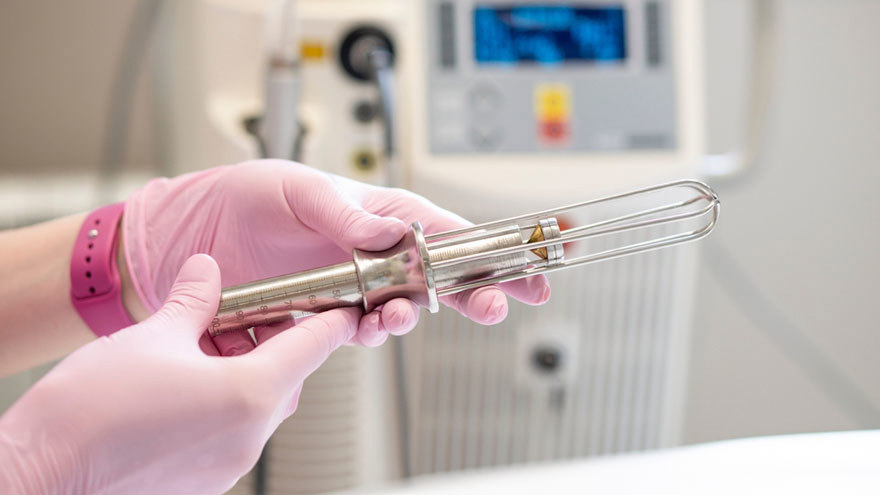
Treating refractory pigmentation requires precision, patience, and customization. Just as an artist chooses different brushes to paint shadows and highlights, dermatologists select therapies based on pigment depth, cause, and the patient’s skin background.
1. Advanced Energy-Based Devices
Energy-based treatments remain a cornerstone of pigmentation management, but the key is using the right device, at the right setting, in the right sequence.
Picosecond Lasers: These use ultra-short pulses to shatter pigment into tiny fragments that the body clears naturally. Unlike older nanosecond lasers, picosecond devices minimize collateral heat damage, reducing the risk of rebound.
Fractional RF Microneedling (Potenza, Infini, etc.): While not pigment-specific, these devices remodel collagen and improve skin texture. By reducing background inflammation and supporting healthy dermal structure, they indirectly stabilize pigment-prone skin.
Vascular Lasers (e.g., Excel V, V-Beam): Many cases of melasma are worsened by dilated blood vessels beneath the skin. By treating the vascular component, dermatologists can reduce both redness and pigment activation.
Clinic Insight: In our practice, patients with long-standing melasma often respond best when we combine vascular laser sessions with gentle picosecond treatments, instead of relying on pigment lasers alone.
2. Topical & Injectable Solutions
Medical-grade topical and injectable treatments play a crucial role, especially for patients with sensitive skin or high risk of rebound pigmentation.
Tranexamic Acid: This antifibrinolytic agent has revolutionized melasma treatment. Delivered either topically, orally, or through microinjections, it reduces melanocyte overactivity triggered by inflammation and UV.
Customized Compounding Creams: Unlike over-the-counter serums, dermatologist-prescribed formulations can combine hydroquinone, retinoids, anti-inflammatories, and brightening agents tailored to each patient’s skin tolerance.
Glutathione or Vitamin C Infusions: While not a replacement for laser therapy, these antioxidants can support the skin’s recovery and reduce oxidative stress that drives pigmentation.
3. Combination Therapy & Sequencing
One of the most important lessons we emphasize is that sequencing matters. Starting with inflammation control, then moving to pigment clearance, and finally reinforcing the skin barrier yields more consistent, long-term results.
For example, in refractory melasma:
Step 1: Stabilize skin with topical tranexamic acid and barrier creams.
Step 2: Introduce low-energy picosecond laser sessions.
Step 3: Reinforce with fractional RF and maintenance topical therapy.
This layered approach is far safer — and more effective — than trying to “erase spots” with a single aggressive intervention.
The Long Game: Why Maintenance Is Non-Negotiable

Perhaps the hardest part for patients to accept is that pigmentation — especially melasma — is chronic. Even with advanced technology, the skin retains its tendency for pigment overproduction.
That’s why maintenance programs are essential, not optional. At our clinic, maintenance typically includes:
Regular low-energy treatments spaced out over months rather than aggressive short bursts.
Seasonal adjustments — gentler protocols during the summer when UV exposure is unavoidable, more intensive treatments in the winter.
Daily sun protection using broad-spectrum sunscreen and physical barriers like hats or visors.
Barrier support skincare — gentle cleansers, ceramide-rich moisturizers, and anti-inflammatory serums that prevent micro-irritation.
Think of pigmentation care like orthodontics: the initial phase aligns your teeth, but retainers keep them in place. Without retainers, relapse is almost guaranteed. Similarly, without maintenance, pigmentation almost inevitably resurfaces.
What We’ve Learned from Patients in Seoul
Through our daily practice, we’ve observed patterns that are rarely discussed in textbooks:
Overuse of At-Home Lasers
The popularity of handheld IPL and laser devices has exploded in Korea, especially among young professionals in Gangnam. While convenient, improper use often causes micro-inflammation, leading to worse pigmentation and uneven skin texture.The Emotional Burden of Pigmentation
Patients often tell us they feel judged at work or in social settings because of uneven skin tone. Some delay dating, others avoid photos. Refractory pigmentation isn’t just a cosmetic concern — it deeply affects confidence and quality of life. That’s why compassionate listening and long-term guidance are as important as the treatments themselves.The Myth of the “One Miracle Treatment”
Many patients arrive asking for a single “magic laser” to erase pigmentation. In reality, the most successful cases come from gradual, consistent management — not quick fixes.
Choosing the Right Clinic
Not every dermatology clinic approaches pigmentation with the same level of nuance. Some still rely on outdated, overly aggressive treatments that risk worsening the condition. When seeking care for refractory pigmentation, consider the following:
Board-certified dermatologists who understand both pigmentation biology and device safety.
Access to multiple modalities — a clinic that only has one type of laser may overuse it, even if it’s not ideal for your skin.
Personalized treatment plans tailored to your pigmentation type, lifestyle, and sensitivity.
A philosophy of maintenance rather than “miracle cure” marketing.
At Delight Dermatology Clinic in Seocho, Gangnam, our philosophy blends global expertise with deep familiarity with Korean patients’ concerns. Dr. Yun Sang Youl, trained at the Mayo Clinic and formerly Director at Banobagi Dermatology, and Dr. Shin Hui Young, a specialist in skin rejuvenation, lead our team with a balance of precision-based medical care and natural, refined aesthetics.
Our goal is not just to “erase spots” but to help patients build a long-term partnership with their skin — regaining clarity, balance, and confidence.
Final Thought
Refractory pigmentation can feel like an endless battle — but it doesn’t have to be. With careful diagnosis, targeted therapies, and a realistic maintenance strategy, even the most stubborn pigmentation can be managed successfully.
If you’ve been struggling with persistent discoloration despite creams or previous laser sessions, it may be time to seek care at a dermatologist-led clinic that understands the complexity of pigmentation. At Delight Dermatology in Gangnam, we are committed to helping you rediscover your skin’s natural clarity and resilience.
Practical Next Step: If pigmentation has been affecting your confidence or social life, consider booking a private consultation at Delight Dermatology Clinic. A personalized program — designed with your skin history, goals, and long-term care in mind — can make all the difference.