Personalized dermatology care in Gangnam, Seoul
en-US

Addressing Skin Discoloration: Treatment for Dark Spots
Discover effective treatments for dark spots and skin discoloration. Explore causes, remedies, and expert tips to restore an even skin tone. Learn more!

Introduction

Dermatologist-led insights from Gangnam, Seoul
Skin discoloration is one of the most emotionally frustrating concerns we encounter in daily dermatology practice. To be honest, most patients don’t walk into a clinic because dark spots are medically dangerous — they come because uneven tone makes them look tired, older, or less confident, even when their skin is otherwise healthy and well cared for.
In Seoul, especially in Gangnam, expectations around skin clarity are particularly high. Patients are not simply seeking “lighter” skin; they want evenness, translucency, and calmness — the kind of skin that looks healthy without layers of makeup. Dark spots disrupt that harmony. And what many patients overlook is a critical truth: not all dark spots are the same, and treating them the same way often leads to disappointment or worsening pigmentation.
This article explains what dark spots really are, why they persist despite effort, and how dermatologists approach treatment safely and effectively — especially for Asian skin types that are biologically more reactive and prone to pigmentation rebound.
What Causes Dark Spots on the Skin?
Dark spots, medically referred to as hyperpigmentation, occur when melanin — the pigment responsible for skin color — is produced in excess or distributed unevenly.
However, in clinical dermatology, color alone is never enough to make a diagnosis. What matters most is why melanin production has increased, where it is located within the skin, and how the surrounding skin responds to stress.
Common types of pigmentation we diagnose
Melasma
Melasma appears as symmetrical brown or grayish patches, most commonly on the cheeks, forehead, temples, or upper lip. It is strongly influenced by hormones, ultraviolet exposure, heat, and genetic predisposition, which is why it frequently develops or worsens during pregnancy, oral contraceptive use, or periods of chronic stress.
Clinically, melasma behaves less like a stain on the skin and more like a shadow embedded within it. The pigment often sits deeper than it appears, and melanocytes remain easily reactivated. This is why aggressive treatments — especially strong lasers or peels — often lead to rebound darkening rather than improvement.
Post-Inflammatory Hyperpigmentation (PIH)
PIH develops after inflammation or injury, such as acne lesions, insect bites, eczema flares, or irritation from skincare and procedures. In Asian skin, melanocytes respond very efficiently to inflammation, which means pigment can appear quickly and linger long after the original issue has resolved.
A key clinical insight: PIH is not only about pigment — it is also about skin recovery speed. When the skin barrier is weak or repeatedly irritated, pigment becomes deeper and more resistant.
Sun Spots (Solar Lentigines)
Sun spots are discrete brown lesions caused by cumulative ultraviolet exposure over time. They are more common with age and often appear on areas frequently exposed to the sun, such as the cheeks, temples, and hands.
Compared to melasma, sun spots are typically more superficial and stable, making them more responsive to targeted treatments — when correctly identified.
Freckles
Freckles are genetically determined pigment clusters that darken with sun exposure. While medically harmless, they can become more noticeable over time and may concern patients who desire a more uniform skin tone. Unlike melasma, freckles are not driven by inflammation but by genetic melanocyte distribution.
Why Dark Spots Are So Difficult to Treat
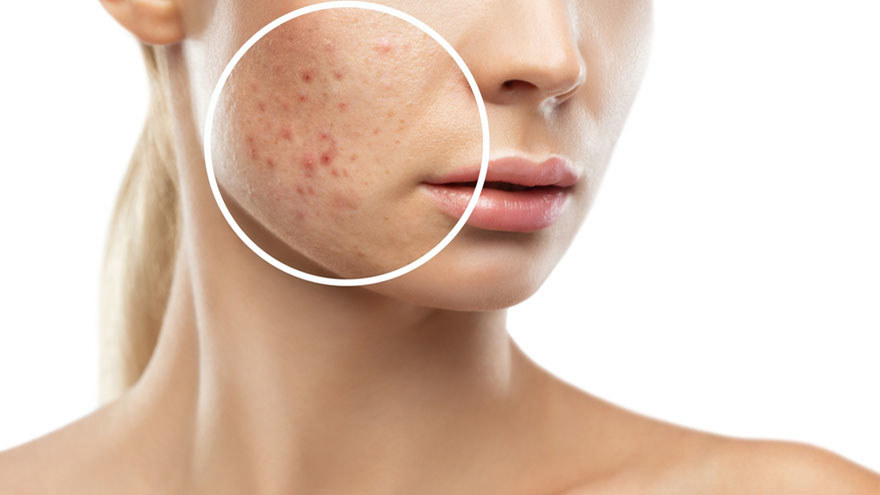
If pigmentation were only a surface issue, brightening products would work consistently. In reality, melanin is produced by melanocytes, specialized cells located in the basal layer of the epidermis and sometimes extending into the dermis.
We often explain this to patients using a simple analogy: melanocytes are pigment factories with memory. Once overstimulated, they remain sensitive long after the initial trigger has passed.
Common triggers include:
Ultraviolet and visible light exposure
Heat (including saunas, steam rooms, and hot yoga)
Hormonal fluctuations
Chronic inflammation from acne or dermatitis
Incorrect or overly aggressive laser and peel treatments
This explains a common patient experience: temporary improvement followed by darker recurrence weeks or months later.
Effective pigmentation treatment is not about removing color forcefully — it’s about calming, regulating, and retraining pigment production over time.
Why Over-the-Counter Solutions Often Fall Short
Many patients seek professional care after months or years of using brightening creams, exfoliating acids, vitamin C serums, or at-home devices.
From a dermatologic perspective, we often see:
Compromised skin barriers from over-exfoliation
Chronic low-grade inflammation that is not visibly obvious
Pigment that has migrated deeper into the skin layers
These factors make pigmentation more persistent and reactive. In such cases, increasing treatment strength often worsens outcomes.
Stronger is not better. Smarter, slower, and skin-respecting treatment consistently produces better long-term results.
Dermatologist-Guided Treatments for Dark Spots
At Delight Dermatology Clinic, pigmentation treatment always begins with a detailed clinical assessment — not with a device. Understanding pigment type, depth, trigger history, and skin resilience determines the entire strategy.
Medical-Grade Topical Therapy
Prescription-based topical therapy remains a cornerstone of pigmentation management. These formulations are customized and may include:
Ingredients that regulate melanin synthesis
Anti-inflammatory agents to calm melanocyte activity
Barrier-repair components to strengthen skin tolerance
Importantly, these treatments are introduced gradually and adjusted over time. Sudden or aggressive use often leads to irritation and rebound pigmentation.
Laser and Energy-Based Treatments
Not all lasers are appropriate for all pigmentation types. In melasma-prone skin, for example, excessive heat can worsen pigment.
Treatment selection depends on:
Pigment depth and distribution
Skin tone and sensitivity
Previous response to lasers or peels
In many cases, lower-energy treatments performed over multiple sessions produce safer, more stable improvement than one aggressive session.
Radiofrequency Microneedling
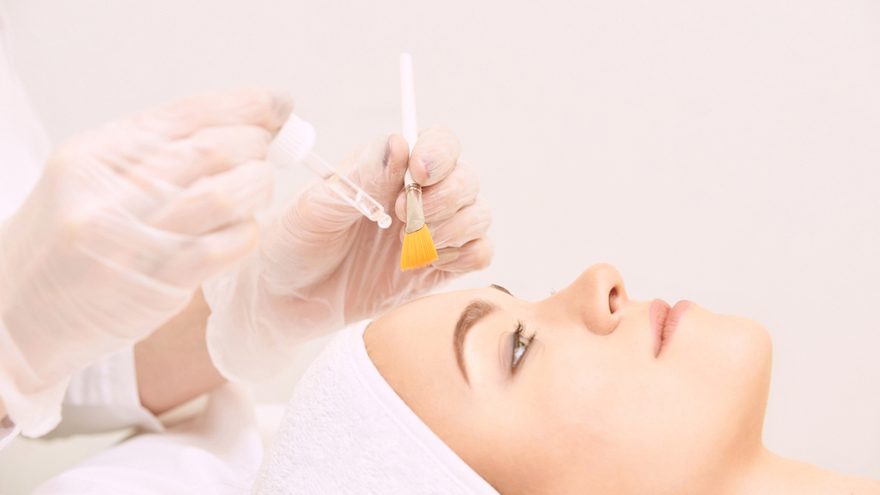
RF microneedling improves dermal structure and skin resilience without overheating melanocytes. This makes it particularly valuable for patients with sensitive or pigment-reactive skin who cannot tolerate conventional lasers.
By strengthening the skin’s foundation, RF treatments indirectly reduce pigmentation recurrence.
Chemical Peels (Used Strategically)
Chemical peels can accelerate pigment turnover when used carefully. However, timing and skin preparation are critical. Peels are most effective when the skin barrier is stable and inflammation is controlled.
Inappropriate peel selection or frequency often worsens pigmentation rather than improving it.
The Role of Maintenance: What Many Patients Are Not Told
One consistent clinical observation is this:
Patients with the best long-term results treat pigmentation as a condition to manage, not a flaw to erase.
Pigmentation-prone skin requires:
Daily protection from ultraviolet and visible light
Ongoing anti-inflammatory skincare
Seasonal treatment adjustments
Thoughtful spacing between procedures
There is rarely a permanent “one-time cure.” Instead, sustained improvement comes from intelligent maintenance.
Pigmentation Treatment in Korean Skin: A Realistic Perspective
Korean patients are often highly informed yet under significant pressure from idealized beauty standards. Many feel discouraged when results are gradual.
From a dermatologic standpoint:
Safe pigment correction takes time
Gradual improvement is more sustainable than dramatic clearing
Skin transparency and calmness matter more than extreme brightness
International patients are sometimes surprised by how conservatively Korean dermatologists approach pigmentation. This caution is intentional. The goal is clarity without fragility and brightness without inflammation.
What Results Can You Expect?
With accurate diagnosis, appropriate treatment selection, and consistent care:
Post-inflammatory hyperpigmentation often improves within 2–4 months
Sun spots may respond more quickly to targeted therapy
Melasma typically improves gradually and requires long-term maintenance
Beyond visible changes, patients often report:
A more even and refined overall tone
Reduced reliance on concealer and foundation
Greater confidence in bare skin
When to See a Dermatologist
Professional evaluation is recommended if:
Dark spots persist despite consistent skincare
Pigmentation worsens after lasers or peels
Spots repeatedly recur after temporary improvement
Skin feels thin, sensitive, or easily inflamed
Early intervention prevents pigment from becoming deeper and more treatment-resistant.
A Final Thought from Our Dermatology Team
Pigmentation is not a flaw — it is a biological response shaped by genetics, environment, and skin health. When approached with patience, clinical insight, and respect for the skin barrier, improvement is not only possible but sustainable.
If you have been struggling with stubborn dark spots, consider consulting a dermatologist-led clinic that prioritizes diagnosis over devices and long-term skin health over quick fixes.
At Delight Dermatology Clinic in Gangnam, we believe clear skin is not about erasing individuality — it is about restoring balance. If you are wondering whether your pigmentation can truly improve without damaging your skin, you are not alone — and you do not have to navigate it alone either.