Personalized dermatology care in Gangnam, Seoul
en-US

Advanced Pigmentation Solutions
Discover advanced pigmentation solutions to reduce dark spots, even skin tone, and restore radiance. Explore expert treatments—learn more today!

Introduction

Walk through the streets of Gangnam on a sunny afternoon, and you’ll notice a shared preoccupation: flawless, luminous skin. In Korea’s beauty culture, pigmentation is one of the most common concerns — whether it’s lingering acne marks, melasma from years of sun exposure, or the subtle freckles that seem to deepen each summer. Many patients we meet at Delight Dermatology Clinic come to us after months or even years of trying creams, at-home devices, or trendy treatments, only to find their pigmentation keeps coming back. The truth is: pigmentation is complex. And treating it effectively requires both science and strategy.
Why Pigmentation Persists
Pigmentation isn’t just a “surface stain.” It’s the result of melanocytes — pigment-producing cells — working overtime in response to triggers like UV rays, hormones, inflammation, or even genetics. Think of it as shadows on a canvas: unless you understand what caused the shadow, simply painting over it will not stop it from returning.
Common forms we see include:
Melasma: Patchy, symmetrical brown discoloration, often worsened by sun and hormonal changes. Particularly common in women in their 30s and 40s, melasma often requires careful, ongoing management.
Post-inflammatory hyperpigmentation (PIH): Dark spots left behind after acne, eczema, or even minor skin trauma. In Asian skin types, PIH can be especially stubborn, lingering for months or years.
Freckles & sun spots: Cumulative UV exposure leading to small but stubborn pigmented marks. While freckles may be seen as charming in some cultures, many Korean patients prefer an even, spotless complexion.
What many patients in Seoul don’t realize is that pigmentation often requires long-term management, not just a one-time fix. Even when pigment is cleared, the underlying triggers — UV exposure, hormonal fluctuations, or inflammation — can re-activate it.
Advanced Solutions Beyond Topical Creams
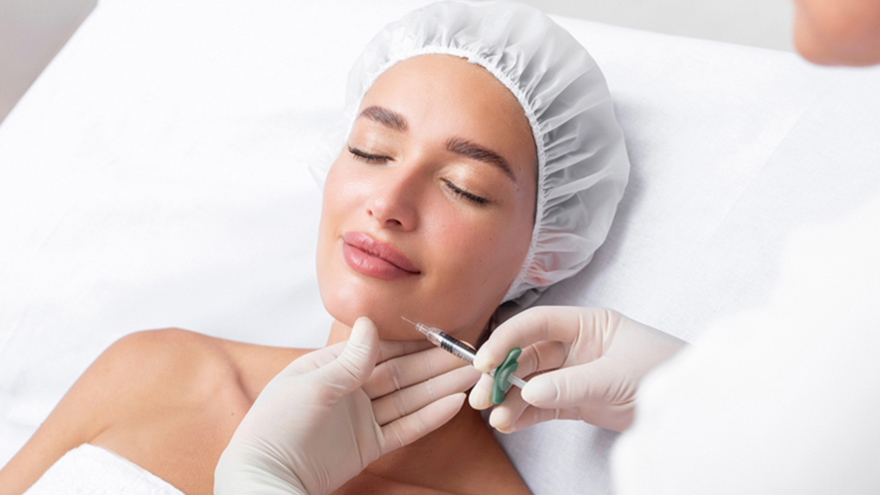
At Delight Dermatology Clinic, we approach pigmentation like rebuilding the balance of a delicate ecosystem. While topical agents (like hydroquinone, tranexamic acid, and retinoids) can help, most patients need device-based treatments to truly reset their skin tone.
1. Laser & Light Therapies
Pico Laser: Using ultra-short pulses, Pico lasers break down pigment particles into microscopic fragments, allowing the body to clear them naturally. Unlike older lasers, Pico technology minimizes heat damage, reducing downtime and risk of rebound pigmentation. This makes it especially suitable for Asian skin, which is more prone to post-laser darkening.
Fraxel & Fractional Lasers: These stimulate collagen renewal while addressing pigmentation, especially helpful for patients with acne scars, uneven tone, and early signs of aging. Fraxel can improve both pigmentation and skin texture simultaneously, making it a dual-benefit treatment.
IPL (Intense Pulsed Light): Often used for sun spots and redness, IPL can be combined with other treatments for patients with mixed pigmentation and vascular issues.
2. Energy-Based Devices
Potenza RF Microneedling: Think of this as remodeling both surface and foundation. By creating micro-channels and delivering radiofrequency energy, Potenza addresses PIH and promotes skin healing. It’s particularly useful for patients with both acne scars and pigmentation, as it tackles texture and tone in one session.
Ulthera & Thermage: While primarily for lifting and tightening, these treatments improve skin health overall. By stimulating dermal regeneration, they indirectly help pigmentation by making skin more resilient against future damage.
3. Injectable Solutions
Skin Boosters (like Rejuran, Nucleofill, or PN/PNN-based injectables): By enhancing cellular repair, they help skin recover faster from pigmentation triggers, while also improving hydration and glow.
Tranexamic Acid Injections: A powerful option for melasma, these injections target the vascular and inflammatory components of pigmentation. While oral tranexamic acid is sometimes prescribed, direct injection can localize the benefits with fewer systemic effects.
Glutathione & Antioxidant Injections: Occasionally used as adjuncts, these support skin’s natural defense mechanisms, though they work best when combined with primary laser or topical therapies.
4. Combination Programs
The most effective pigment treatments aren’t single sessions but carefully designed programs. For example, a typical melasma patient might undergo:
Pico laser sessions spaced monthly.
Topical antioxidant and pigment-regulating serums at home.
Potenza RF microneedling for texture and pigment control.
Occasional tranexamic acid boosters to maintain suppression.
To be honest, what makes the difference isn’t the machine — it’s the sequence, intensity, and customization based on skin type, lifestyle, and history. Treating pigmentation is less about “one miracle cure” and more about layering precise steps over time.
Why Patients Relapse After Treatment
We often see patients who had temporary improvement, only to watch their pigmentation return. The reasons?
Skipping maintenance: Pigmentation is dynamic; without ongoing care, it can resurface.
Inconsistent sunscreen use: Even five minutes of unprotected sun exposure can undo weeks of progress.
Overly aggressive treatment: Strong peels or intense lasers may cause rebound pigmentation in Asian skin.
Hormonal fluctuation: Pregnancy, birth control pills, or thyroid imbalances can fuel melasma regardless of treatment.
This is why we emphasize long-term partnership over quick fixes. At Delight Dermatology Clinic, we create stepwise plans that blend in-office treatments with at-home protocols, much like training both in the clinic gym and continuing with home exercise. Patients who commit to this shared journey see the most stable, rewarding outcomes.
The Korean Beauty Standard & Realistic Expectations

In Korea, “glass skin” is often the ideal — crystal-clear, poreless, and radiant. But real skin, even after advanced pigmentation treatments, will always have some degree of natural variation. Our goal isn’t artificial perfection. It’s restoring balance, lightening shadows, and giving patients skin they feel proud of without filters.
We remind patients: perfection isn’t the target — progress and stability are. When managed well, pigmentation can fade dramatically and stay under control, but it requires ongoing partnership between patient and dermatologist. Patients who embrace a maintenance mindset — like regular checkups every 3–6 months — often enjoy skin that stays clear and resilient for years.
Lifestyle & Daily Care: The Hidden Factors
Even the most advanced treatments won’t hold if daily habits work against them. We guide our patients on:
Sun Protection: Daily SPF 50+, reapplied every 2–3 hours, is the single most important tool against pigmentation relapse.
Diet & Sleep: Antioxidant-rich foods, hydration, and regular rest support skin recovery at a cellular level.
Gentle Skincare: Harsh exfoliants or home-use lasers can backfire, worsening pigmentation. Dermatologist-guided routines are safer and more effective.
Stress & Hormones: Stress can exacerbate hormonal imbalances, indirectly fueling melasma. A holistic view often improves results.
When to Seek Professional Help
If you’ve tried over-the-counter creams for months without visible change… If your melasma darkens every summer despite diligent sunscreen… If acne marks linger long after the pimples are gone — it’s time to seek advanced solutions.
At Delight Dermatology Clinic in Gangnam, we combine:
World-class expertise (Mayo Clinic-trained dermatologist leadership).
Latest devices (Pico, Potenza, Ulthera, Thermage).
Personalized programs that respect your skin’s unique history.
A Patient’s Journey: From Frustration to Freedom
One of our patients, a 38-year-old working mother, came to us after five years of battling melasma with over-the-counter products and occasional laser sessions elsewhere. Her pigmentation kept rebounding, leaving her feeling self-conscious at work and social gatherings. After a structured three-month program of Pico laser, Potenza sessions, and topical tranexamic acid, her pigmentation visibly lightened, and more importantly, stabilized. She now visits quarterly for maintenance — and tells us she finally feels in control, not defeated by her skin.
Another patient, a 45-year-old businessman, struggled with sun spots and PIH from years of outdoor golf. After combining Pico laser and Rejuran skin boosters, not only did his pigmentation improve, but his overall skin looked fresher and younger, earning him compliments from colleagues.
Key Takeaways
Pigmentation is multi-factorial, and quick fixes rarely last.
Advanced treatments like Pico lasers, Potenza, and tailored injectables offer real, lasting results.
Long-term management, not one-off sessions, ensures stability.
Lifestyle adjustments — especially sun protection — are as critical as in-clinic care.
Partnering with a dermatologist-led clinic gives you the best chance of sustainable clarity.