Personalized dermatology care in Gangnam, Seoul
en-US

Age Spots, Moles, and Flat Warts: Safe Removal Techniques
Discover safe, effective removal techniques for age spots, moles, and flat warts. Learn your options for clear, healthy skin—read the full guide now!
Introduction
In Seoul — especially in areas like Gangnam and Seocho where aesthetic standards are remarkably high — many patients visit our clinic with one recurring concern: “Doctor, how can I remove these small spots safely?”
What’s interesting is that the word “spot” can mean many things in dermatology. To some, it’s a sun spot or age spot that has deepened over the years. To others, it’s a mole that seems slightly raised or darker than before. And quite often, patients confuse flat warts for pigmentation or small moles.
At Delight Dermatology Clinic, we always remind patients: before thinking about removal, the first step is accurate diagnosis. Different skin lesions may look similar to the naked eye — but the underlying cause, risk, and ideal treatment method can be entirely different.
Understanding the Difference: Age Spots, Moles, and Flat Warts
1. Age Spots (Lentigines)
Age spots, also known as solar lentigines, appear as flat, brownish patches usually on the cheeks, temples, or hands — areas that receive the most sun exposure.
They’re caused by accumulated UV-induced melanin over the years, not by hormonal changes or internal disease.
Many Korean patients in their 30s–50s first notice these after summer vacations or during skin screenings for pigmentation. They often describe them as “stains that won’t fade,” even after laser toning or brightening creams.
Dermatologist’s Insight:
At Delight Dermatology, we often see age spots that have been repeatedly treated with inappropriate lasers, leading to post-inflammatory hyperpigmentation. The key is controlled treatment, not just aggressive lightening.
2. Moles (Nevi)
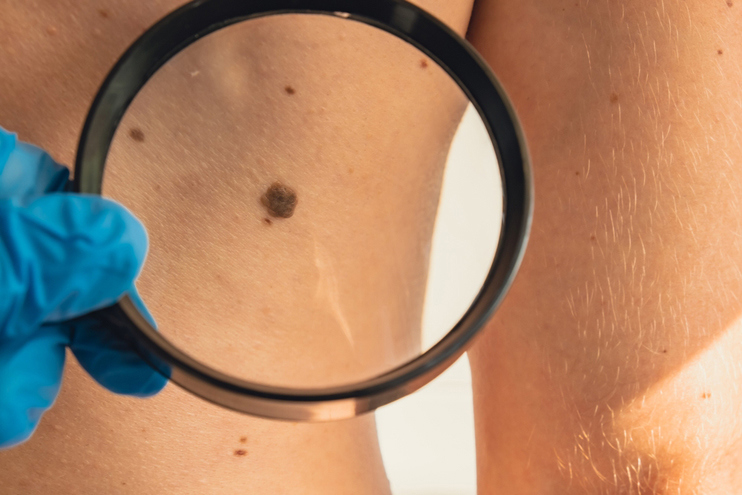
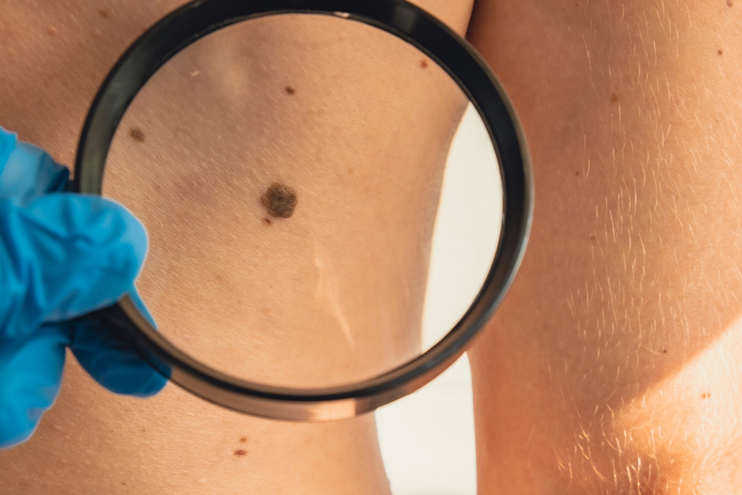
Moles are formed by clusters of melanocytes, the pigment-producing cells in the skin. They can be flat, raised, flesh-toned, or dark brown. Most moles are harmless, but some can show early warning signs of malignant melanoma, a rare but serious skin cancer.
When should you be concerned?
Dermatologists use the ABCDE rule:
Asymmetry
Border irregularity
Color variation
Diameter (over 6mm)
Evolution (change in shape, size, or color)
Even in Korea, where melanoma rates are relatively low, we advise annual mole checks — especially for patients with many moles or a family history of skin cancer.
3. Flat Warts (Verruca Plana)
Flat warts are caused by human papillomavirus (HPV) infection. They often appear as small, slightly raised, skin-colored papules on the face, neck, or hands.
They spread easily through shaving, friction, or cosmetic procedures, and many patients initially mistake them for “tiny moles.” Unlike pigmentation, they have a viral origin, meaning treatment requires addressing both removal and recurrence prevention.
The First Step: Precise Skin Evaluation

Before any removal, our dermatologists perform a dermoscopic examination — a magnified analysis that helps distinguish benign from suspicious lesions.
This step is critical because:
A mole that looks harmless may actually contain atypical cells.
A “spot” might turn out to be seborrheic keratosis or a wart.
Using the wrong laser on viral warts can worsen spreading.
To be honest, many Gangnam patients come to us after at-home laser attempts or unverified “beauty clinic” removals. We’ve treated cases of scarring, persistent redness, and even re-pigmentation because the lesion was never properly identified.
Accurate diagnosis isn’t just medical formality — it’s the foundation of safe, beautiful results.
Safe Removal Techniques at Dermatology Clinics
Once diagnosis is clear, treatment can be tailored precisely. Below are the most commonly used and dermatologist-approved methods for removing age spots, moles, and flat warts.
1. Laser Treatment for Age Spots
Types of lasers used:
Q-switched Nd:YAG laser (532/1064 nm) — targets melanin precisely without damaging surrounding skin.
Picosecond laser — delivers ultra-short pulses to break down pigment more finely, ideal for stubborn or recurrent spots.
Fractional laser (e.g., Fraxel, LaseMD) — stimulates collagen renewal and improves overall tone and texture post-pigmentation removal.
Key considerations:
Sun protection after treatment is essential.
Over-treatment can cause temporary rebound pigmentation.
Maintenance sessions may be required for deep or clustered spots.
At Delight Dermatology, we often combine pigment lasers with antioxidant infusions or LED healing therapy to reduce inflammation and speed up recovery.
2. Radiofrequency and CO₂ Laser Mole Removal
For benign moles, CO₂ laser or radiofrequency ablation can precisely vaporize the tissue layer by layer.
The process:
Local anesthesia (topical or injection).
Controlled ablation of the mole surface.
Optional histopathological biopsy if the mole looks atypical.
Post-procedure wound care with antibiotic ointment and sunscreen.
The benefit of modern CO₂ lasers is precision with minimal scarring. Most flat or small raised moles heal within 7–10 days, leaving only mild redness that fades naturally.
What many patients overlook:
Even after mole removal, a small pigment shadow can remain if the melanocyte roots extend deeper. Dermatologists sometimes perform follow-up touch-ups after 4–6 weeks for complete clearing.
3. Combination Therapy for Flat Warts
Since flat warts are viral, treatment focuses on both removal and immune control.
Recommended approaches include:
CO₂ laser ablation or RF micro-needling for visible lesions.
Topical retinoids or salicylic acid to suppress recurrence.
Immune-modulating treatments like intralesional injections or oral zinc therapy in resistant cases.
Laser-assisted drug delivery (e.g., Potenza RF + topical agents) to penetrate deeper viral reservoirs.
At Delight Dermatology, we customize wart treatment plans based on skin sensitivity and recurrence history. For example, in patients with widespread flat warts across the cheeks, we avoid aggressive methods that risk post-inflammatory hyperpigmentation — instead, we use multi-session, low-energy approaches that are safer for Asian skin tones.
Healing and Aftercare: What to Expect

After any skin lesion removal, the skin enters a rebuilding phase. Think of it like restoring a damaged painting — the base layer must heal evenly before retouching the surface.
Here’s what proper post-treatment care includes:
Avoid direct UV exposure for at least 2–4 weeks.
Use mild, fragrance-free cleansers and avoid scrubbing.
Apply regenerating ointments or dermatologist-prescribed creams.
Delay makeup until the wound has fully epithelialized.
We often prescribe epidermal growth factor (EGF) creams or calming ampoules to accelerate healing and minimize redness.
Why Medical Precision Matters
In an age where portable laser devices and “DIY mole removers” are advertised online, it’s easy to underestimate the complexity of skin lesion removal.
But the truth is:
Even small lesions can be diagnostic clues for systemic disease.
Scarring from improper treatment can be harder to fix than the original mole.
Pigmentation relapse often occurs when only the surface is treated, not the underlying pigment cell clusters.
At Delight Dermatology Clinic, every removal procedure is dermatologist-performed, using FDA-approved devices and sterile, biopsy-ready techniques. This ensures not just cosmetic satisfaction, but also medical safety.
Long-Term Skin Clarity: Prevention and Maintenance
Removing spots is only half the journey. The other half is preventing new ones.
Dermatologists recommend:
Daily SPF 50+ sunscreen, even on cloudy days.
Regular skin checks (every 6–12 months).
Healthy lifestyle: antioxidant-rich diet, adequate sleep, stress control.
Maintenance treatments like gentle laser toning or brightening infusions to keep pigmentation under control.
Patients who follow a structured maintenance plan — rather than chasing one-time “miracle removals” — tend to maintain clearer, more even skin over the years.
A Dermatologist’s Perspective
To be honest, no single laser or cream can guarantee permanent freedom from age spots or moles. Skin, much like memory, tends to “remember” sun damage and hormonal shifts.
What makes the difference is consistent medical guidance — someone who understands your skin’s tendencies, monitors changes, and adjusts treatment safely over time.
That’s why we see skin care as a long-term partnership, not a one-time procedure.
When to Visit a Dermatologist
You should consider professional evaluation if:
A mole changes shape, color, or starts itching/bleeding.
Pigmentation returns quickly after previous removal.
Flat warts multiply or spread to new areas.
Over-the-counter or cosmetic laser attempts worsen the lesion.
If you’ve been struggling with stubborn pigmentation, recurring moles, or facial warts, consider consulting a board-certified dermatologist — preferably at a clinic equipped with medical-grade lasers and diagnostic expertise like Delight Dermatology Clinic in Seocho, Gangnam.
Final Thoughts
Clear, smooth skin isn’t just about aesthetics — it’s about confidence and peace of mind. Safe removal of age spots, moles, and flat warts begins with accurate diagnosis, precision treatment, and proper aftercare.
At Delight Dermatology Clinic, led by Dr. Yun Sang Youl (Mayo Clinic-trained dermatologist) and Dr. Shin Hui Young, we combine advanced devices like CO₂ laser, Potenza RF, and Pico lasers with individualized care to ensure every patient achieves natural, refined results — without compromising safety.
If you’re ready to restore your skin’s clarity and confidence, schedule a consultation with Delight Dermatology Clinic in Gangnam. Let’s start with a detailed skin analysis and craft a personalized plan that suits your unique complexion.