Personalized dermatology care in Gangnam, Seoul
en-US

Anti-Aging Peels: Reversing the Signs of Aging
Discover how anti-aging peels reduce wrinkles, boost collagen, and rejuvenate skin. Reverse the signs of aging today—learn more inside!
Introduction: Why So Many Patients Turn to Peels for Anti-Aging
Every week at Delight Dermatology Clinic, we meet patients who feel they’ve hit a plateau with their skin. They’ve invested in premium serums, trendy “K-beauty” routines, and even at-home exfoliating devices — yet the skin still appears dull, uneven, or prematurely aged.
In a district like Gangnam, where bright, elastic, well-maintained skin is almost an unspoken cultural expectation, these subtle signs of aging can feel more noticeable. Many of our patients — from busy professionals to international visitors — share the same sentiment:
“I feel young, but my skin looks older than I feel.”
Anti-aging chemical peels, when performed by trained dermatologists, provide a level of skin renewal that topical skincare simply cannot achieve. They target the underlying biological slowdown that occurs with age, helping to restore radiance, smoothness, and firmness from the inside out.
At Delight Dermatology Clinic, we rely on precision-based peel protocols shaped by medical dermatology, global training, and years of treating Korean and Asian skin types — which often require a more careful, pigment-safe approach.
This guide explains what anti-aging peels really do, how they work, and why they’ve become one of the most reliable, scientifically grounded rejuvenation treatments available today.
Section 1 — Understanding Anti-Aging Peels
What Are Anti-Aging Peels?
Anti-aging chemical peels use expertly blended acids to remove damaged surface layers and stimulate controlled regeneration. Unlike gentle at-home exfoliants, medical peels penetrate deeper and activate biological repair pathways.
These treatments can meaningfully improve:
Fine lines and early wrinkles
Uneven pigmentation, sunspots, and melasma
Rough skin texture and enlarged pores
Surface dullness
Early laxity due to collagen decline
Acne-related discoloration or scarring
Peels are often misunderstood as simply “strong exfoliation.” In reality, they create a regulated wound-healing response, which prompts the skin to behave more youthfully — producing fresher skin cells and healthier collagen.
For aging skin, this is profoundly effective because it directly addresses the root causes of visible aging: slowed turnover and weakened dermal support.
Why Aging Skin Responds So Well to Peels
As we reach our early to mid-30s, several biological changes occur:
1. Collagen Decline
Collagen levels drop by about 1% per year, leading to visible fine lines, creases, and textural changes.
2. Slowed Cell Turnover
Dead cells accumulate for longer, making the skin appear dull, uneven, and less reflective.
3. Increased Pigmentation
Sun exposure, hormonal fluctuations, and inflammation trigger more inconsistent melanin activity — especially common among Korean and Asian skin types.
4. Rougher Texture & Larger Pores
As collagen weakens around the pores, they appear larger; the skin may look less smooth.
Anti-aging peels address these issues through two synergistic actions:
Surface Renewal
By gently shedding damaged keratinocytes, the skin’s texture and reflectivity improve almost immediately. Patients often describe the result as “refreshed” or “rested.”
Deep Regeneration
Dermosomal signals stimulate fibroblasts to create new collagen and elastin — gradually rebuilding the skin’s inner architecture. This contributes to smoother wrinkles, tighter pores, and enhanced elasticity.
This combination makes peels one of the most efficient ways to reverse early-to-moderate aging changes without aggressive downtime.
Section 2 — Types of Anti-Aging Peels
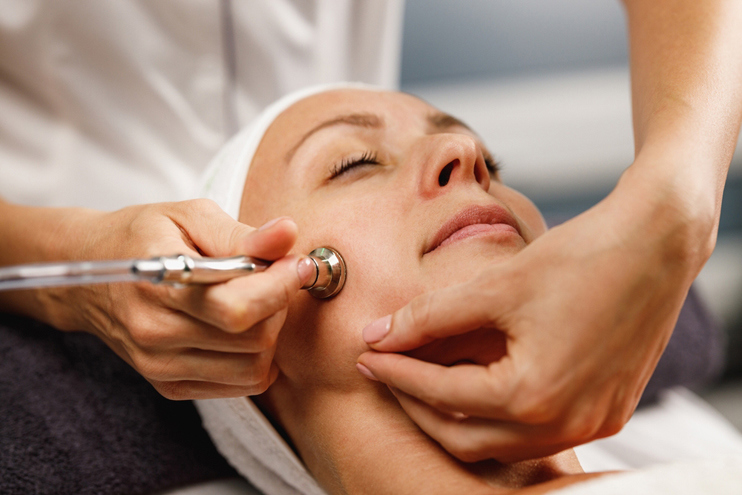
Delight Dermatology Clinic personalizes peel selection based on the skin’s unique biology. Korean and Asian skin types are particularly prone to pigmentation and irritation, so choosing the right acid blend, strength, and timing is essential.
1. Superficial Peels
Best for early anti-aging, pore control, and global radiance
These include lactic acid, mandelic acid, or low-percentage glycolic acid. Although gentle, they provide consistent improvements in clarity, hydration, and texture.
Clinical benefits:
Brightens dull skin
Smooths early fine lines
Reduces pore congestion
Improves mild pigmentation
Safe for sensitive or acne-prone skin
For busy Gangnam patients who cannot afford downtime, this is the most popular maintenance peel. Regular sessions every 2–4 weeks help maintain long-term “glass skin” without overstressing the barrier.
2. Medium-Depth Peels
Ideal for pigmentation, wrinkles, and deeper rejuvenation
These penetrate deeper into the dermis and are particularly effective for patients with visible sun damage or more pronounced aging patterns.
Common agents include:
TCA (Trichloroacetic Acid)
Jessner’s solution
High-strength glycolic acid
Multi-acid blends tailored for melasma
Best for:
Age spots and sun damage
Fine to moderate wrinkles
Acne scars
Deeper textural roughness
Melasma (when combined with pigment-safe protocols)
Medium-depth peels often produce some flaking or downtime, but results tend to be dramatic. Patients frequently report that their skin feels tighter and more even after just one or two sessions.
3. Collagen-Stimulating Peels
For global rejuvenation with minimal downtime
These modern formulations incorporate ingredients that activate controlled dermal remodeling without causing visible peeling.
Ideal for:
Patients in their late 30s to 50s
Those seeking firmer skin without lasers
Busy individuals who prefer low-downtime treatments
They promote long-term elasticity by triggering gradual collagen rebuilding — ideal for those who want subtle yet meaningful “age-rewind” results.
Section 3 — How Anti-Aging Peels Work
Although chemical peels can sound intimidating, the process is grounded in very predictable dermatologic science.
Step 1: Controlled Exfoliation
The peel solution loosens the bonds between dead skin cells, allowing them to shed smoothly.
Step 2: Regeneration Signaling
Your skin interprets the peel as an invitation to renew itself — producing fresher, healthier cells.
Step 3: Collagen Remodeling
Fibroblasts become more active, enhancing collagen, elastin, and hyaluronic acid production.
Step 4: Pigment Regulation
Melanin synthesis becomes more stable, reducing blotchiness and uneven tone.
At Delight Dermatology Clinic, strengths are customized to ensure precision without unnecessary inflammation, which is critical for Asian skin.
Section 4 — Expected Results
Most patients notice improvements after just one session, with cumulative peels producing longer-lasting transformation.
Common improvements include:
Brighter, more even tone
Reduced fine lines
Softer, smoother texture
Less visible pores
Fewer sunspots or melasma patches
Radiance even without makeup
Peels do not replace lifting treatments like Ulthera or Thermage, but they offer exceptional surface rejuvenation and subtle firming — ideal for anyone wanting natural, understated anti-aging.
Section 5 — How Delight Dermatology Personalizes Peels
Our dermatologists evaluate each patient through a combination of clinical observation and detailed history-taking.
We assess:
Skin thickness and elasticity
Pigment type (sunspots vs melasma vs PIH)
Barrier strength and hydration levels
Wrinkle depth and texture patterns
Past treatments (especially at-home devices, which can over-exfoliate the skin)
Lifestyle habits, UV exposure, stress, and hormonal influences
A major misconception we correct frequently:
Many patients believe stronger peels produce better results. In reality, the right peel — not the strongest one — delivers the best outcome with the least risk.
For many Korean patients, we actually begin by repairing the skin barrier before performing any peel. A healthy barrier ensures the skin regenerates beautifully rather than reacting with redness or hyperpigmentation.
Section 6 — Peels vs. Lasers: Which Should You Choose?
Peels and lasers both rejuvenate the skin, but they work through different mechanisms.
Choose Peels If You Want:
Radiance and clarity
Smoother texture
Mild collagen boost
Minimal downtime
More even pigmentation
Choose Lasers If You Want:
Strong tightening or lifting
Deeper wrinkle reduction
Intensive collagen remodeling
Significant pigmentation clearance
Best Strategy: Combine Both Gradually
Many patients follow a cycle like:
Peel → Laser → Peel → Laser
to support consistent collagen stimulation and maintain year-round glow.
This balanced approach minimizes inflammation while maximizing results.
Section 7 — Safety & Aftercare
Safety is paramount, especially for Asian skin, which is more prone to PIH (post-inflammatory hyperpigmentation).
Why Dermatological Oversight Matters
Improper peel application, incorrect acid concentration, or inadequate skin prep can lead to:
Excessive redness
Irritation or burning
Worsening pigmentation
Prolonged sensitivity
At Delight Dermatology Clinic, peel strengths are customized for each patient, and both Dr. Yun and Dr. Shin adjust the application time, neutralization, and layering technique based on real-time skin response.
Aftercare Essentials
To protect your results:
Use a gentle, non-foaming cleanser
Apply rich moisturizers to support barrier recovery
Avoid exercise, sauna, or heat exposure for 24–48 hours
Avoid retinoids, vitamin C, and exfoliating pads temporarily
Wear sunscreen daily — even indoors
Patients who follow aftercare instructions consistently maintain smoother, clearer, more youthful skin for a longer period of time.
Section 8 — Who Is a Good Candidate?
Anti-aging peels may be right for you if you experience:
Fine lines or early wrinkles
Dullness or loss of glow
Pigmentation that keeps coming back
Rough, uneven texture
Enlarged pores
Early signs of sagging
Skin that feels older than your age
If you feel your skin no longer reflects your energy and lifestyle, a peel program can refresh your appearance in a natural, subtle way.
Section 9 — Why Patients Choose Delight Dermatology Clinic
Our clinic in Seocho stands out because we blend global medical training with a refined, individualized approach to Korean beauty standards.
Patients trust us for:
Mayo Clinic–trained leadership with global dermatology expertise
Specialization in anti-aging, pigmentation, and collagen remodeling
Tailored peel protocols for Korean and Asian skin types
Safe, evidence-based treatments with gentle artistry
Private, boutique-style environment
Long-term skincare planning rather than one-time fixes
Our aim is simple: to help you look naturally refreshed, confident, and radiant — never overtreated or artificial.
Final Thoughts — Your Skin Can Age Gracefully with the Right Partner
If you’ve been frustrated by recurring pigmentation, dullness, or subtle aging changes, consider exploring a dermatologist-guided peel program. With consistent, thoughtful treatment and expert supervision, your skin can regain the clarity, smoothness, and vitality you’ve been missing.
At Delight Dermatology Clinic, we’re here to guide you with warmth, clinical precision, and world-class aesthetic sensibility.