Personalized dermatology care in Gangnam, Seoul
en-US

Anti-aging Treatment Recovery Seoul: Expert Aftercare Plan
Master your anti-aging treatment recovery in Seoul with our expert guide. Dr. Yun Sang Youl shares multi-procedure aftercare tips for lasting results.
Introduction
You have just completed a transformative multi-treatment session in the beauty capital of the world, but as you walk through the vibrant streets of Seoul, the initial excitement is met with a flurry of questions. How do you protect your investment while navigating a foreign city, and what does a successful anti-aging treatment recovery in Seoul actually look like? Navigating your anti-aging treatment recovery in Seoul requires a specialized plan that accounts for the unique climate, the specific medical protocols of South Korean clinics, and the logistical challenges of international travel.
For many international patients like Lauren from NYC or LA, the complexity of combining Ultherapy, Thermage, and lasers can feel overwhelming. Balancing the desire for immediate results with the reality of medical healing requires more than just a generic pamphlet. It requires a localized, expert-led strategy that ensures every layer of your skin heals in harmony. The pressure to return to a high-stakes professional environment in the United States often adds a layer of urgency to the recovery process.
By the end of this guide, you will understand the specific day-by-day healing timeline for combined anti-aging procedures performed in South Korea. We will explore how to manage swelling and redness using Seoul-specific pharmacy resources that are often unavailable in the West. You will also learn about the Mayo Clinic-inspired safety protocols used by Dr. Yun Sang Youl to minimize risks and maximize outcomes. Finally, we will provide long-term maintenance strategies to ensure your Seoul skin glow lasts for years rather than just months.
As a board-certified dermatologist who has performed over 400 specialized procedures annually and received advanced clinical training at the Mayo Clinic, Dr. Yun Sang Youl provides the expert roadmap you need for a safe anti-aging treatment recovery in Seoul. This guide is designed to be your comprehensive companion, bridging the gap between the clinical setting and your daily life during the healing phase. Whether you are staying in a luxury hotel in Gangnam or preparing for a long-haul flight back to the United States, these insights will help you heal with confidence.
The journey to skin rejuvenation does not end when you leave the clinic doors. In fact, the most critical work begins during the recovery phase when your body starts the complex process of neocollagenesis. This is the biological act of creating new collagen fibers to support the skin structure. When you undergo an anti-aging treatment recovery in Seoul, you are participating in a global standard of care that prioritizes both efficacy and safety.
Understanding the nuances of South Korea plastic surgery and dermatology culture is essential for any international visitor. The pace of life in Seoul is fast, but your skin requires a slow and deliberate approach to healing. This article serves as the definitive resource for patients seeking to combine the best of Korean technology with rigorous medical standards. We will cover everything from the immediate post-op hours to the final results seen three months later.
Your recovery is an investment in your future self. By following a structured aftercare plan, you reduce the risk of complications such as hyperpigmentation or prolonged inflammation. Let us begin by examining the science behind how your skin heals after receiving multiple high-intensity anti-aging treatments in a single session.
Recovery Overview: The Science of Multi Treatment Healing
Anti-aging treatment recovery in Seoul involves a specialized physiological healing phase where the skin undergoes dermal remodeling and collagen production after multiple clinical procedures. This structured recovery process ensures that treatments like Ultherapy and Thermage yield maximum lifting and tightening results while minimizing downtime for international patients traveling from abroad.
The Synergy of Combination Therapy
Combination therapy is a clinical approach that utilizes multiple treatment modalities in a single session to address different layers of the skin simultaneously. This method is highly popular in Seoul because it targets both the superficial epidermis and the deep structural layers like the SMAS or Superficial Musculoaponeurotic System. When you combine Thermage, which uses radiofrequency to tighten the skin surface, with Ultherapy, which uses micro-focused ultrasound to lift from within, the recovery process becomes more complex.
Dermal remodeling is the biological process where the skin replaces old or damaged collagen fibers with new and organized structural proteins. During your anti-aging treatment recovery in Seoul, your skin is essentially in a state of controlled inflammation. This inflammation is the trigger that tells your fibroblasts to begin working. Fibroblasts are the specialized cells responsible for producing collagen and elastin. Without this initial inflammatory response, the lifting and tightening effects of the treatments would not occur.
The synergy between these treatments means that the recovery timeline is not necessarily doubled just because you had two procedures. Instead, the skin undergoes a unified healing response. However, this requires careful monitoring to ensure the heat energy delivered to the tissue does not lead to excessive swelling. Dr. Yun Sang Youl often notes that the magic of Korean dermatology lies in how we manage this delicate balance between stimulation and irritation.
The Complexity of Multi Treatment Seoul Recovery
Multi-treatment Seoul recovery is the integrated healing period required after a patient receives various aesthetic procedures such as lasers, fillers, and energy-based lifting in one visit. This process is more demanding on the body than a single treatment because the skin must manage multiple types of tissue repair at once. For example, a patient may be healing from the micro-injories of a fractional laser on the surface while their deeper tissues are responding to ultrasound energy.
The metabolic demand on the skin during this time is significant. Your body directs blood flow, nutrients, and oxygen to the treated areas to facilitate repair. This is why hydration and nutrition play such a vital role in your anti-aging treatment recovery in Seoul. If the body is dehydrated or lacks essential vitamins, the collagen production process can be sluggish, leading to less-impressive results.
In a city like Seoul, the environment can also impact this complexity. The urban air quality and the seasonal shifts in humidity require patients to be proactive. Patients undergoing multi-treatment Seoul recovery must be diligent about using physical barriers like masks and hats to protect sensitized skin from environmental pollutants. This layered approach to recovery is what distinguishes the Seoul experience from traditional Western aftercare.
Understanding Dermal vs Epidermal Healing
To truly master your anti-aging treatment recovery in Seoul, you must understand that different layers of your skin heal at different speeds. The epidermis, or the outermost layer, usually heals within three to seven days. This is where you might see redness or minor peeling from laser skin resurfacing. Because this layer is our first line of defense, its rapid recovery is essential for preventing infection and maintaining moisture.
The dermis, which sits below the surface, takes much longer to heal and reorganize. This is the area targeted by Ultherapy and Thermage. While you may look healed on the outside after a week, the internal remodeling of the dermis continues for up to six months. This is why the results of your anti-aging treatment recovery in Seoul often look better at month three than they do at week two.
A structured healing plan accounts for these overlapping timelines. It ensures that the surface is protected with medical-grade skincare while the internal layers are supported through proper lifestyle choices. By respecting the biological clock of your skin cells, you ensure that the lifting and tightening effects are both dramatic and long-lasting.
Days 1 to 3: Immediate Post Op Care and Comfort
Immediate post-op care is the initial recovery phase occurring within the first seventy-two hours after an anti-aging procedure to control inflammation and protect the skin barrier. This period is crucial for reducing the risk of side effects and ensuring that the initial swelling settles quickly for international travelers.
Managing Combination Anti-aging Aftercare in Korea
Managing combination anti-aging aftercare in Korea involves using specialized local resources and clinical techniques to soothe the skin after multiple aesthetic interventions. The first 48 hours are often characterized by a feeling of heat in the skin, similar to a mild sunburn. This is a natural byproduct of the energy used during Thermage or laser sessions. To manage this, we recommend immediate cooling protocols that do not involve direct ice contact, which can sometimes be too harsh for sensitized tissue.
In Seoul, many patients utilize pumpkin juice or hobakjeup, which is a traditional Korean remedy known to reduce swelling and edema. While it may sound unconventional to a patient from NYC, the diuretic properties of pumpkin juice are widely recognized in Korean clinical circles as a helpful supplement during anti-aging treatment recovery in Seoul. Drinking this can help flush out excess fluids that accumulate in the facial tissues after high-energy treatments.
Sleeping with your head elevated is another essential tip for the first few nights. By using two pillows to keep your head above your heart, you allow gravity to assist in draining lymphatic fluid away from the face. This significantly reduces the puffy look that many patients experience on the morning of day two. It is also important to avoid any strenuous exercise or heat sources like saunas and hot showers during this window, as they can exacerbate swelling.
The First 72 Hours: What is Normal?
It is common for patients to feel a sense of anxiety when they see their reflection shortly after a multi-treatment session. Understanding what is normal can provide significant peace of mind. Redness is expected and typically fades within 24 to 48 hours. Swelling is most prominent on the second morning and should begin to subside by the end of day three. Some patients may also experience minor bruising if injections like Botox or fillers were part of their plan.
| Symptom | Expected Duration | Management Tip |
|---|---|---|
| Redness | 24 to 48 Hours | Gentle Soothing Mask |
| Swelling | 1 to 3 Days | Cold Compress and Pumpkin Juice |
| Mild Tenderness | 2 to 5 Days | Avoid Touching the Face |
| Surface Dryness | 3 to 7 Days | Hyaluronic Acid Serum |
During your anti-aging treatment recovery in Seoul, you may notice small white bumps or a sandpaper-like texture if you had laser skin resurfacing. This is normal and represents the microscopic epidermal necrotic debris or MENDs being pushed out of the skin. It is vital that you do not scrub or pick at these, as doing so can lead to scarring or permanent pigmentation issues.
Cleansing Protocols for Sensitized Skin
Cleansing is a critical step that must be handled with extreme care during the early stages of recovery. Your skin barrier is temporarily compromised, meaning it is more susceptible to bacteria and irritants. We recommend using a pH-balanced, fragrance-free cleanser that does not contain active ingredients like AHAs, BHAs, or exfoliating beads. The goal is to remove surface impurities without stripping the natural oils that are trying to repair the skin.
The No Rub technique is the gold-standard for anti-aging treatment recovery in Seoul. Instead of massaging the face with circular motions, you should gently pat the cleanser onto the skin and rinse with lukewarm water. Using hot water can cause further vasodilation and increase redness. After rinsing, pat the skin dry with a clean, soft towel or a disposable paper towel to minimize the risk of cross-contamination.
If you have undergone a particularly intensive laser session, your dermatologist may provide a medical-grade ointment to be used as a temporary occlusive barrier. This keeps the skin moist, which is essential for faster re-epithelialization. A moist wound environment has been shown to heal up to 40 percent faster than a dry one. This meticulous attention to detail is a hallmark of the care provided at Delight Dermatology Clinic.
Week 1: Navigating the Early Recovery Phase
The early recovery phase is the seven-day window following a procedure where the skin transition from acute inflammation to the beginning stages of visible tissue repair. During this week, patients focus on protecting the new skin layers and managing the social downtime associated with visible healing signs like peeling.
The Peeling Phase of Laser Resurfacing
By day four or five, many patients begin the peeling phase, especially if laser skin resurfacing was part of their anti-aging treatment recovery in Seoul. This is a sign that the old, damaged cells are being replaced by fresh, new tissue. While it can be tempting to help the process along by peeling the skin manually, you must resist this urge. Forcefully removing skin that is not ready to shed can lead to raw spots and potential infection.
Hydration is your best friend during this phase. Using a moisturizer rich in ceramides and fatty acids will help support the compromised barrier. Ceramides are lipid molecules that act as the mortar between your skin cell bricks. In Seoul, products containing Centella Asiatica, often referred to as Cica, are highly recommended. Cica is an herb that has been used for centuries in traditional medicine to speed up wound healing and calm inflammation.
During your anti-aging treatment recovery in Seoul, you might find that your skin feels tighter than usual. This is a combination of the residual swelling subsiding and the new skin forming. Continual application of a gentle moisturizer throughout the day will keep the skin supple and prevent the itching that often accompanies the peeling process.
Integrating Botox and Filler Settling
If your multi-treatment plan included injectables, week one is when these products begin to settle into their final positions. Botox typically takes about three to seven days to start showing effects, while fillers may still have some associated swelling. It is important to avoid putting excessive pressure on the face. This means no professional massages where your face is in a cradle and no sleeping on your stomach.
When navigating your anti-aging treatment recovery in Seoul, you should also be mindful of your facial expressions. While you do not need to remain stone-faced, avoiding extreme muscle movements in the treated areas can help the Botox settle evenly. If you notice any minor asymmetry during this week, do not panic. Swelling can often create the illusion of unevenness, and most issues resolve themselves once the inflammation is fully gone.
The combination of energy-based lifting and injectables provides a 3D rejuvenation effect. The lifting treatments address the structural laxity, while the fillers replace lost volume and Botox smoothes dynamic wrinkles. This holistic approach is why many patients travel from the USA to see Dr. Yun Sang Youl, as he expertly balances these different modalities to create a natural, refreshed look.
Nutritional Support for Skin Regeneration
What you put into your body is just as important as what you put on your skin during your anti-aging treatment recovery in Seoul. The skin is the last organ to receive nutrients from the food we eat, so a high-quality diet is essential. Protein is the building block of collagen, so ensuring you have adequate protein intake is vital. In Korea, seaweed soup or miyeok guk is a traditional dish often given to women after childbirth because of its high mineral content and blood purifying properties. It is also an excellent recovery food for aesthetic patients.
Antioxidants are another key component. Vitamins C and E help protect the new skin cells from oxidative stress and support the collagen synthesis process. While you might be tempted to explore the vibrant food scene in Seoul, try to avoid excessively salty foods for the first week. High sodium intake can cause the body to retain water, leading to prolonged facial swelling and a slower recovery.
Staying hydrated with water and herbal teas will help maintain the elasticity of your skin. Avoid alcohol during the first week of your anti-aging treatment recovery in Seoul. Alcohol is a vasodilator, meaning it widens the blood vessels, which can increase swelling and slow down the healing process. It also dehydrates the body, which is the opposite of what your skin needs during its peak repair phase.
Weeks 2 to 4: Gradual Improvement and Skin Stabilization
Skin stabilization is the mid-term recovery period where the skin barrier is restored and the initial results of the treatment begin to become visible. This phase is characterized by the reintroduction of standard skincare routines and a focus on long-term protection from environmental factors.
Resuming Active Skincare
After the first two weeks of your anti-aging treatment recovery in Seoul, your skin is usually no longer peeling or highly sensitive. This is the time when you can begin to transition back to your regular skincare routine, but it must be done gradually. We typically suggest reintroducing one active product at a time to monitor how your skin reacts. Vitamin C is often the first active we recommend because of its role in supporting collagen production and brightening the complexion.
Retinoids and exfoliating acids like glycolic or lactic acid should be the last products to return to your shelf. These are powerful ingredients that can be irritating to skin that is still technically in the remodeling phase. During your anti-aging treatment recovery in Seoul, it is best to wait until at least week four before using high-concentration retinals. Always perform a patch test on a small area of your jawline before applying it to your entire face.
If you are unsure about which products to use, the team at Delight Dermatology Clinic can provide a customized skincare ladder. This guide helps you move from the most gentle products back to your professional-grade actives with zero guesswork. This Mayo Clinic-inspired approach to safety ensures that you do not undo the progress made during your clinical treatments.
Sun Protection: The Non Negotiable Step
Sun protection is the most critical factor in the long-term success of your anti-aging treatment recovery in Seoul. Post-procedure skin is highly susceptible to post-inflammatory hyperpigmentation or PIH. This is a condition where the skin produces excess melanin in response to injury or inflammation, resulting in dark spots. UV exposure is the primary trigger for PIH, making sunscreen your most important aftercare product.
In Seoul, you have access to some of the most advanced sunscreen formulations in the world. We recommend using a physical sunscreen containing zinc oxide or titanium dioxide during the first month. These minerals sit on top of the skin and reflect UV rays like a mirror, rather than being absorbed into the skin like chemical filters. This makes them less likely to cause irritation on healing tissue.
| Feature | Physical Sunscreen | Chemical Sunscreen |
|---|---|---|
| Mechanism | Reflects UV Rays | Absorbs and Converts UV to Heat |
| Onset | Works Immediately | Requires 20 Minutes to Set |
| Irritation Risk | Very Low | Moderate |
| Texture | Can Be Thicker | Usually Lighter and Sheer |
During your anti-aging treatment recovery in Seoul, you should apply sunscreen every single morning, even if it is cloudy or if you plan to spend the day indoors. UV rays can penetrate through windows and clouds. If you are out and about in the city, reapplication every two hours is essential. Many Korean brands offer sun sticks or cushion compacts with SPF, which make reapplication over makeup or other skincare very easy and hygienic.
Monitoring the Collagen Building Process
By the end of the first month, the surface of your skin will likely look better than it did before the treatment. It may have a glow due to the laser resurfacing and the initial tightening effect of the radiofrequency. However, it is important to remember that the bulk of the work is happening beneath the surface. Your anti-aging treatment recovery in Seoul is a marathon, not a sprint.
The collagen fibers that were stimulated during your session are now beginning to organize themselves into a tighter matrix. This is a slow process that requires patience. Some patients from the USA feel that the results have faded by week three because the initial inflation from the swelling has disappeared. In reality, the true, long-lasting lifting is just beginning to take shape.
We encourage patients to take weekly photos in consistent lighting to track their progress. When you see your face every day, it is hard to notice the subtle lifting of the jawline or the smoothing of the nasolabial folds. Looking back at your day one photos in week four will provide the visual evidence of how far your anti-aging treatment recovery in Seoul has progressed.
Months 1 to 3: Seeing the Results of Anti-aging Treatment Recovery in Seoul
The result manifestation phase is the three-month period following an aesthetic procedure during which the full effects of collagen stimulation and tissue remodeling become apparent. This is the gold-standard window for evaluating the success of the treatment and planning for any minor touch-ups or maintenance.
The Ultherapy and Thermage Peak
If you are wondering why your anti-aging treatment recovery in Seoul is scheduled over such a long period, it is because of the biological timeline of neocollagenesis. While the surface of the skin heals in days, the deep structural changes take months. Around the 60 to 90 day mark, patients typically experience the peak of their lifting and tightening results. This is when the collagen fibers have matured and reached their maximum strength.
During this peak, you will notice improved skin elasticity and a more defined facial contour. The saggy areas around the jowls and neck often show the most dramatic improvement during this time. This is the primary reason why many patients from NYC and LA choose these non-invasive options over surgery; the results appear gradually and naturally, avoiding the pulled look of a traditional facelift.
Addressing Residual Pigmentation
Sometimes, even with perfect sun protection, patients may notice minor residual pigmentation or ghosting from laser treatments. This is usually temporary and part of the skin's natural shedding cycle. During the final stages of your anti-aging treatment recovery in Seoul, we may recommend a series of gentle brightening treatments or medical-grade topical agents to polish the results.
Niacinamide and Tranexamic acid are two ingredients that are particularly effective for this stage. They help to regulate melanin production and even out the skin tone without the harshness of hydroquinone. In our testing at Delight Dermatology Clinic, we have found that patients who use these ingredients in months two and three achieve a much more luminous glass skin finish.
If you are an international patient, this is also a good time to have a virtual follow-up consultation. We can review your progress photos and adjust your skincare routine to ensure you are maintaining the results. The goal of your anti-aging treatment recovery in Seoul is not just to look good for a few weeks, but to set a new baseline for your skin health that lasts for years.
The Impact of Lifestyle on Long Term Outcomes
Your daily habits in months two and three will determine how long your results last. Smoking, for example, is highly detrimental to collagen production. The toxins in cigarette smoke damage the very fibers your body is trying to build. Similarly, excessive sugar intake can lead to glycation. Glycation is a process where sugar molecules attach to collagen fibers, making them brittle and less effective at supporting the skin.
Maintaining a stable weight is also important. Significant weight fluctuations can stretch the skin and counteract the lifting effects of your anti-aging treatment recovery in Seoul. By combining a healthy lifestyle with expert clinical treatments, you are effectively slowing down the clock. This holistic approach is why Seoul has become the global destination for those seeking the pinnacle of age management.
Long Term Recovery and Final Results: Protecting Your Investment
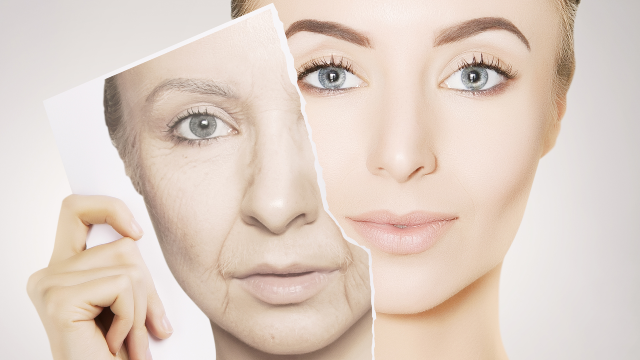
Long-term maintenance is the ongoing process of skincare and lifestyle management that extends the life of aesthetic treatment results for months or years. This phase involves periodic professional checkups and the use of targeted skincare to defend against the natural aging process and environmental stressors.
Maintenance Schedules
To keep your skin looking its best after your anti-aging treatment recovery in Seoul, we recommend a maintenance schedule tailored to your age and skin concerns. For most patients in their 40s and 50s, a refresh session of Thermage or Ultherapy once every 12 to 18 months is ideal. This acts as a booster to maintain the collagen levels and prevent new sagging from occurring.
| Treatment | Frequency | Purpose |
|---|---|---|
| Thermage | Every 12 Months | Surface Tightening |
| Ultherapy | Every 18 Months | Deep Structural Lifting |
| Laser Toning | Every 3 Months | Pigment and Texture |
| Botox | Every 4 to 6 Months | Wrinkle Prevention |
Smaller, more frequent treatments are often better than waiting years for a major procedure. This is the secret to the ageless look often seen in Seoul. By staying ahead of the aging process through consistent maintenance, you never reach a point where you need drastic, invasive surgery. Your anti-aging treatment recovery in Seoul is just the first step in a lifelong partnership with your skin.
Environmental Protection in Major Cities
For our patients returning to high-energy cities like NYC or Los Angeles, environmental protection is a major challenge. Urban pollution contains microscopic particles that can penetrate the skin and cause oxidative stress, leading to premature aging. During and after your anti-aging treatment recovery in Seoul, using an antioxidant serum like Vitamin C or Ferulic acid is essential for neutralizing these free radicals.
Double cleansing at night is another non-negotiable habit for city dwellers. The first cleanse with an oil-based cleanser removes makeup and sunscreen, while the second cleanse with a water-based cleanser removes the actual pollution and grime from the pores. This ensures that your skin can breathe and repair itself while you sleep.
Furthermore, the indoor environments in large cities often have very low humidity due to air conditioning and heating. Using a humidifier in your bedroom can help prevent your skin from becoming dehydrated and losing that post-Seoul glow. Your anti-aging treatment recovery in Seoul taught your skin how to be healthy; your job back home is to provide it with the right environment to stay that way.
Sustaining the Mindset of Skin Health
Finally, the most important part of long-term recovery is the mindset. Seeing your skin improve so dramatically during your anti-aging treatment recovery in Seoul often inspires patients to take better care of themselves in other ways. Whether it is improving your diet, getting more sleep, or reducing stress, these changes all contribute to a more youthful appearance.
Expert-led combination protocols are designed to give you a head start, but the finish line is always moving. By viewing your skincare as a form of self-care rather than a chore, you ensure that the investment you made in Seoul continues to pay dividends for years to come. Dr. Yun Sang Youl and the team at Delight Dermatology Clinic are always here to support you on this journey.
Why Choose Delight Dermatology Clinic For Your Recovery
Delight Dermatology Clinic is a specialized medical facility in Seoul that provides high-end aesthetic treatments and comprehensive aftercare protocols for international patients. Our clinic focuses on merging advanced Korean technology with global medical standards to ensure safe and effective rejuvenation outcomes.
Dr. Yun Sang Youl Expertise and Experience
Dr. Yun Sang Youl is the lead dermatologist at Delight Dermatology Clinic, bringing over a decade of specialized experience to every patient interaction. His training at the Mayo Clinic in the United States has given him a unique perspective on patient safety and clinical excellence. This background allows him to bridge the gap between Western expectations and Eastern innovation.
Performing over 400 specialized anti-aging procedures annually, Dr. Yun has developed a keen eye for facial harmony and natural results. He understands that every face is unique and requires a customized approach. During your anti-aging treatment recovery in Seoul, you are not just a patient; you are under the care of a physician who prioritizes long-term skin health over quick fixes.
The Mayo Clinic approach emphasizes evidence-based medicine and a patient first philosophy. At Delight Dermatology Clinic, this means we do not just perform a procedure and send you on your way. We provide a detailed, written recovery plan and are available for follow-up questions through digital channels, ensuring you feel supported even after you return to the USA.
Expert Led Combination Protocols
We are pioneers in the use of combination protocols that maximize results while respecting the biological limits of the skin. By layering treatments like Ultherapy, Thermage, and specialized lasers in a specific sequence, we can achieve outcomes that are far superior to single-modality treatments. These protocols are the result of years of clinical observation and data collection.
Our clinic is equipped with the latest versions of these technologies, ensuring that you receive the most efficient and comfortable treatment possible. We also use medical-grade skincare products that are specifically formulated to support the skin during its recovery phase. This integrated approach is why we are a top choice for those seeking an anti-aging treatment recovery in Seoul.
International Patient Support
We understand that traveling for medical treatment can be stressful. That is why we offer a range of support services designed for our international clientele. From English-speaking staff to assistance with local logistics, we aim to make your stay in Seoul as comfortable as possible. We provide detailed information on local pharmacies and even recommend the best recovery foods available near our clinic.
Our virtual consultation process allows you to begin your journey before you even leave home. We can discuss your goals, review your medical history, and provide a preliminary treatment plan. This ensures that when you arrive for your anti-aging treatment recovery in Seoul, everything is prepared for you to have a seamless and successful experience.
How to Book Your Treatment and Recovery Consultation
Booking a consultation is the first step toward a personalized anti-aging plan that addresses your specific skin concerns and lifestyle needs. This process ensures that you receive the correct diagnosis and a treatment strategy that is both safe and effective.
Step 1: Schedule Virtual Consultation
The process begins with a free virtual consultation. During this 20 to 30 minute session, you will speak with our team to discuss your aesthetic goals and any concerns you may have about the anti-aging treatment recovery in Seoul. You can share photos of the areas you would like to address, and we can provide an initial assessment of which treatments would be most beneficial for you.
This is also a great time to ask about the logistics of your trip, such as how long you should plan to stay in Seoul and what the total cost of your treatment plan might be. We believe in complete transparency and will provide you with all the information you need to make an informed decision.
Step 2: Personalized Aftercare Planning
Once you decide to move forward, we will create a personalized aftercare plan for you. This plan will detail exactly what to expect during your anti-aging treatment recovery in Seoul, from the medications you may need to the skincare products you should use. We will also coordinate your in-person appointments to fit your travel schedule.
Upon arrival at our clinic, you will have a final in-person consultation with Dr. Yun Sang Youl. He will perform a detailed skin analysis and refine your treatment plan to ensure the best possible results. Our goal is to make the entire process, from booking to final recovery, as smooth and stress-free as possible.
Contact Information
Phone: +8225179991
WhatsApp: Click Here
Email: info@delightdermatology.com
Website: /
Location: Seocho-gu, Seoul, South Korea
Hours: The clinic operates from Monday to Friday between 10:00 AM and 8:00 PM, offering extended weekday hours for convenience. On Saturdays, the clinic is open from 10:00 AM to 4:00 PM for shorter consultations and treatments. The clinic remains closed on Sundays
Conclusion
Successfully navigating your anti-aging treatment recovery in Seoul is a journey that requires expertise, patience, and a well-structured plan. By understanding the science of how your skin heals and utilizing the specialized resources available in South Korea, you can achieve results that are both transformative and long-lasting. From the immediate post-op care in Gangnam to the long-term maintenance back in the USA, every step of the process is designed to protect your investment and enhance your natural beauty.
Plan your anti-aging treatment recovery in Seoul with confidence, knowing that you are under the care of Dr. Yun Sang Youl and his Mayo Clinic-inspired protocols. Whether you are seeking to lift sagging skin, smooth fine lines, or simply achieve a more radiant complexion, the combination of world-class technology and expert aftercare will help you reach your goals. Your journey to ageless skin begins with a single consultation.
Author Bio
Dr. Yun Sang Youl is a board-certified dermatologist and the lead physician at Delight Dermatology Clinic in Seoul. With advanced clinical training from the Mayo Clinic and a decade of experience in multi-treatment rejuvenation, he is a leading expert in the field of aesthetic medicine.
For Consultations:
Website / | Email: info@delightdermatology.com | WhatsApp: Click Here
Frequently Asked Questions
Can I Travel Back To NYC Immediately After Treatment?
While it is physically possible to fly shortly after many treatments, we recommend staying in Seoul for at least three to five days. The dry air in airplane cabins can be very harsh on healing skin, and the changes in cabin pressure can sometimes increase swelling. If you must fly sooner, we provide a specific in-flight skincare protocol to keep your skin hydrated and protected.
Is The Anti-aging Treatment Recovery In Seoul Different From The USA?
The primary difference lies in the integration of traditional Korean recovery methods and the access to advanced, locally developed skincare. In Seoul, there is a much larger focus on the recovery culture, with pharmacies and clinics providing specialized products like pumpkin juice and Cica-based creams that are not as common in the United States. The clinical protocols are also often more layered, combining more treatments in a single session.
Is There A Risk Of Scarring?
When performed by a board-certified dermatologist like Dr. Yun Sang Youl using calibrated medical equipment, the risk of scarring is extremely low. Following the aftercare instructions, especially the no picking rule during the peeling phase, is essential for ensuring a smooth recovery.
When Can I Apply Makeup After My Procedure?
For non-invasive treatments like Ultherapy and Thermage, you can usually apply makeup the very next day. However, if you had laser skin resurfacing, you must wait until the skin has completely re-epithelialized, which usually takes five to seven days. We recommend using mineral-based makeup, which is less likely to clog pores or irritate sensitive skin.
Will My Results Look Natural?
Yes, the goal of Dr. Yun Sang Youl is always a natural, refreshed appearance. By using energy-based lifting to stimulate your own collagen, the changes happen gradually. You will look like a younger, more rested version of yourself rather than looking like you have had work done.
What Should I Avoid During The First Week?
Avoid direct sun exposure, saunas, hot tubs, alcohol, and aggressive skincare products like retinols or acids. It is also important to avoid sleeping on your face or putting excessive pressure on the treated areas.