Personalized dermatology care in Gangnam, Seoul
en-US

Aram Huvis API-202: The Future of Skin Care
Discover how the Aram Huvis API-202 is revolutionizing skincare with advanced skin analysis technology. Explore the future of personalized care today!
Introduction
Hair and scalp health is becoming one of the most requested areas of care in dermatology and cosmetic clinics. In cities like Seoul, where beauty standards are high and patients expect visible results, subtle signs of hair thinning, keratin buildup, or scalp irritation are no longer overlooked. Patients want proactive monitoring and solutions that go beyond simple shampoos or over-the-counter tonics. The Aram Huvis API-202 is a professional-grade hair and scalp analysis device designed to make hidden issues visible, trackable, and actionable. By merging technology with clinical expertise, it reflects the next generation of personalized, evidence-based skin and hair care.
What is the Aram Huvis API-202?
The API-202 is a wireless, high-resolution hair and scalp analysis device created by Aram Huvis, a company known worldwide for its diagnostic imaging systems in dermatology and cosmetology.
Key Features
Wireless connectivity: Works seamlessly with tablets, PCs, and laptops via WiFi, improving flexibility in clinical consultations.
High-magnification imaging: Captures clear, detailed visuals of scalp and hair conditions that are often invisible to the naked eye.
Comprehensive analysis parameters: Evaluates multiple metrics, including hair density, hair thickness, follicle pore status, keratin buildup, scalp vessel visibility, and overall hair loss condition.
Data management software: Comes with “Solutionist,” a system that stores client records, allows side-by-side image comparisons, and supports customized treatment recommendations.
Professional-grade build: Durable and designed for heavy use in medical and cosmetic settings, with a 14-month warranty for professional peace of mind.
The device is not intended for at-home use; rather, it enhances professional consultations by offering both objective imaging and a personalized conversation tool between doctor and patient.
Why It Matters in Dermatology and Aesthetics
1. Objective Imaging
Hair and scalp issues are often subtle. Patients may complain of “hair shedding” or “itchy scalp,” but traditional visual inspection is limited. With the API-202, even early-stage thinning or keratin plugs are revealed. For dermatologists, this helps confirm a diagnosis more quickly and objectively. For patients, it provides clear evidence that their concerns are valid — or that intervention can prevent worsening.
2. Before-After Tracking
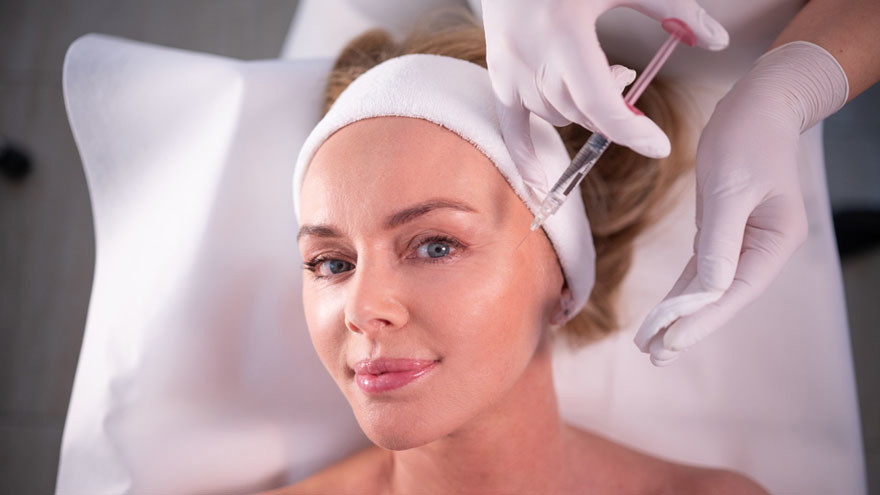
One of the greatest challenges in dermatology is proving treatment effectiveness, especially with slow processes like hair regrowth. The API-202 creates consistent, magnified images at each visit, making changes over months or years easy to track. For example, a patient undergoing PRP (platelet-rich plasma) or scalp laser therapy can visually compare density and thickness after six months. This strengthens patient confidence and supports adherence to long-term treatment plans.
3. Personalized Consultations
Unlike generic recommendations, the API-202 integrates with clinic software, allowing dermatologists to design tailored care plans. A patient with oily scalp buildup and visible follicle pores may be guided toward exfoliating scalp treatments, while a patient with thinning density might benefit from hair-stimulating therapies. Personalization is key, especially in Gangnam, where patients expect treatments that match their unique skin and hair needs.
4. Clinic Differentiation
In Seoul’s highly competitive beauty and dermatology market, offering advanced diagnostic tools sets a clinic apart. Patients often feel more comfortable investing in treatment when they can see scientific evidence of their condition. For international patients, technology like the API-202 reinforces the perception of Korean dermatology as cutting-edge, precise, and patient-first.
Limitations of the API-202
While the API-202 is a powerful tool, no device is perfect. Understanding its limitations helps clinics use it responsibly.
Resolution limits: Although it offers high magnification, it cannot replace microscopic pathology or biopsy when investigating certain scalp diseases.
Requires expertise: A trained dermatologist must interpret the images correctly. For example, visible scalp vessels may be normal in some individuals, while in others, they may suggest inflammation.
Snapshot in time: The device provides a static view. Hair growth cycles are dynamic, so repeated assessments are needed for accurate long-term insights.
Cost and upkeep: Clinics must factor in purchase price, calibration, cleaning, and occasional part replacements.
Patient expectations: Seeing scalp problems under magnification can lead to unrealistic hopes for “instant fixes.” It is vital to pair imaging with education and realistic goal-setting.
Data privacy concerns: Storing detailed scalp images and personal records requires strict compliance with privacy regulations.
The Future of Skin and Hair Care with Devices Like API-202
1. Personalization at Scale
The future of dermatology lies in personalized care. Devices like the API-202 transform consultations from vague assessments to measurable, data-backed strategies. This aligns with global trends in precision medicine, where individual variation is respected rather than ignored.
2. Patient Engagement and Motivation
Many patients stop treatment prematurely because they “don’t see results.” With the API-202, subtle improvements become visible months before they would appear in the mirror. This encourages patients to stay committed, whether they are using topical solutions, oral medications, or in-clinic therapies.
3. Preventive Dermatology
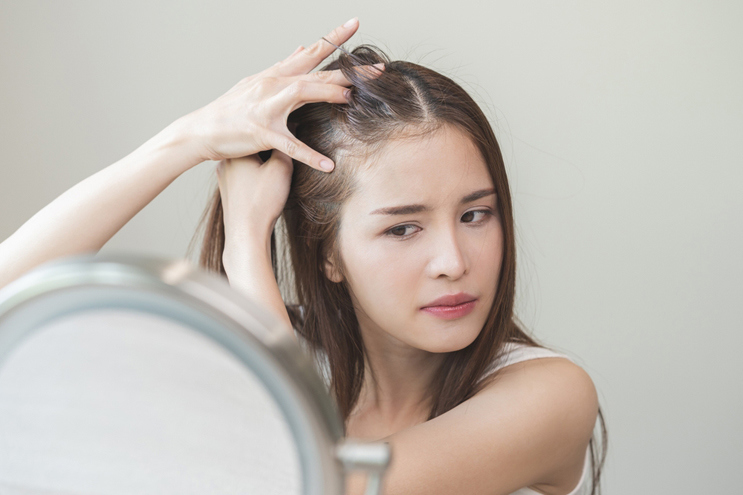
Early intervention is key to maintaining youthful skin and healthy hair. By detecting thinning hair or scalp buildup before it becomes noticeable, dermatologists can recommend preventive therapies. This proactive model resonates strongly in cultures like Korea, where “prejuvenation” — preventing aging before it becomes visible — is highly valued.
4. Integration with AI and Digital Health
The next leap will likely involve AI-driven pattern recognition. Imagine a device that not only captures scalp images but automatically identifies early male-pattern baldness, predicts hair cycle disruptions, or recommends evidence-based interventions. Integration with teledermatology platforms could further expand access, allowing patients worldwide to benefit from Korean expertise.
Best Practices for Clinics Using API-202
To maximize the benefits of the API-202, clinics should adopt structured protocols:
Standardized image capture: Consistent lighting, magnification, and positioning ensure reliable comparisons.
Comprehensive patient profiles: Document not only images but also medical history, family genetics, diet, and stress factors.
Patient-friendly explanations: Use images to explain scalp health in plain language, building trust and transparency.
Expectation management: Clarify which changes are realistic (e.g., improved thickness or density) and which may not be reversible.
Scheduled monitoring: Set review intervals every 3–6 months to capture meaningful progress.
Hygiene and calibration: Maintain strict sterilization and regular device servicing to ensure both safety and accuracy.
Opportunities for Improvement
While already impressive, the API-202 highlights opportunities for innovation in future devices:
AI-assisted diagnostics: Automated detection of hair loss patterns, scalp conditions, or follicular abnormalities.
More precise quantification: Beyond visual analysis, numerical scoring of follicle density or diameter for more objective data.
Lower cost and portability: Making such technology accessible to smaller clinics or even high-end salons.
Telemedicine integration: Allowing patients to upload images for remote analysis and follow-up.
Broader treatment linkage: Direct integration with product and treatment databases for evidence-based recommendations.
Conclusion
The Aram Huvis API-202 is more than just a diagnostic camera; it represents the future of data-driven, personalized dermatology. For clinics, it enhances credibility, improves patient trust, and elevates the consultation experience. For patients, it provides visual proof, reassurance, and a roadmap for managing scalp and hair health.
In Korea’s beauty-conscious culture, where preventive care and natural results are highly valued, devices like the API-202 align perfectly with patient expectations. As technology evolves, we can anticipate even more advanced tools that combine imaging, AI, and personalized analytics — moving us closer to a world where scalp and skin care is proactive, precise, and deeply individualized.
If you are struggling with persistent scalp concerns or early signs of hair thinning, consider visiting a dermatologist-led clinic like Delight Dermatology in Gangnam, where global expertise meets advanced diagnostic technology. With tools like the API-202, you can better understand your unique scalp health and receive treatment tailored specifically to your needs.