Personalized dermatology care in Gangnam, Seoul
en-US

Combatting Inflammatory Acne Effectively
Clear your skin with proven tips for combatting inflammatory acne effectively. Discover treatments and strategies that really work—learn more today!
Introduction
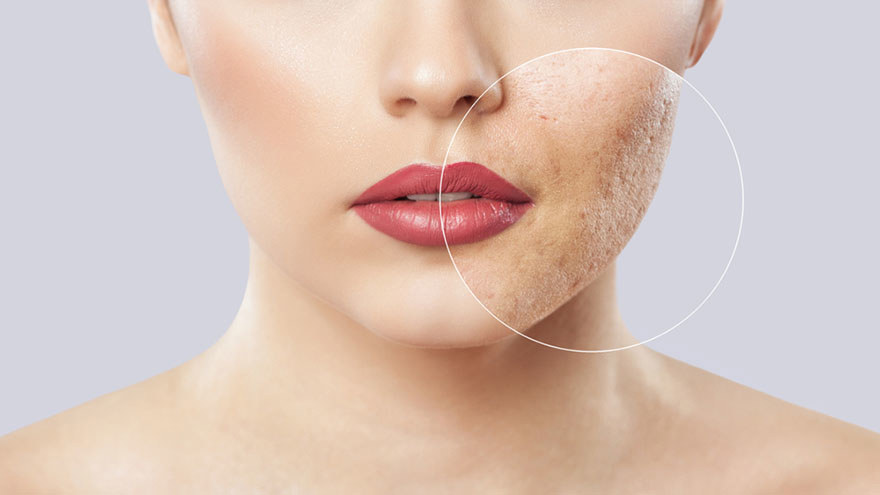
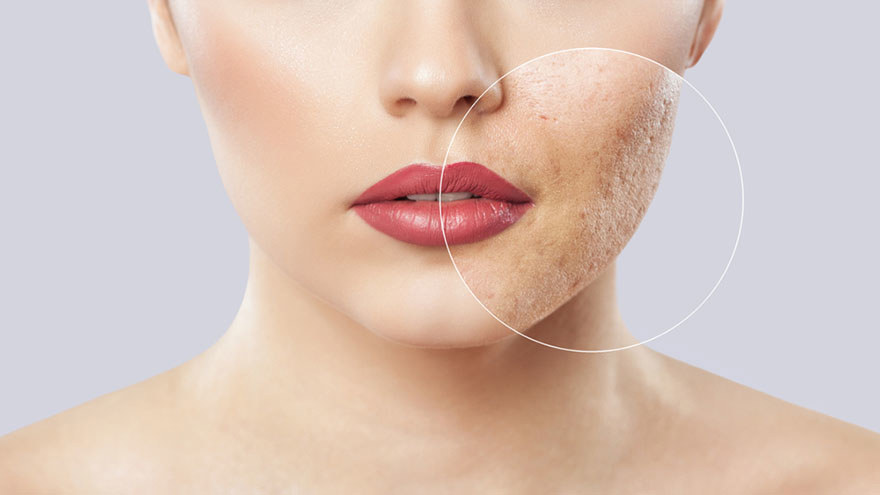
If you’ve ever stared into the mirror at angry, red, swollen breakouts that seem to appear overnight, you’re not alone. Inflammatory acne — the type that causes painful pimples, nodules, and pustules — is one of the most frustrating skin conditions we see at Delight Dermatology Clinic in Seocho-gu, Gangnam. Unlike small whiteheads or blackheads, inflammatory acne feels like it’s fighting back: it hurts, it lingers, and it often leaves behind stubborn marks or scars.
To be honest, many patients who visit us have already tried countless over-the-counter products, at-home devices, or viral skincare hacks before they seek professional help. But inflammatory acne is more than just clogged pores — it’s a medical skin condition where bacteria, hormones, and the immune system all collide. Understanding this difference is the first step toward treating it effectively.
What Is Inflammatory Acne?
Inflammatory acne develops when clogged pores (filled with oil and dead skin cells) become infected with Cutibacterium acnes bacteria. The body reacts with inflammation — redness, swelling, and tenderness — leading to lesions like:
Papules: Small, red bumps that are sore to touch.
Pustules: Red bumps with white or yellow pus-filled centers.
Nodules: Large, hard, painful lumps deep under the skin.
Cysts: Severe, pus-filled lesions that can lead to scarring.
Unlike mild acne, these lesions involve deeper layers of the skin. The immune system’s overreaction to bacteria is what makes them painful and destructive.
For many patients in their 20s and 30s in Seoul, inflammatory acne isn’’t just a teenage concern. Stress from work or school, irregular sleep cycles, high-glycemic diets, hormonal fluctuations, and even improper skincare routines can keep this type of acne active well into adulthood. In fact, studies show that up to 40% of adult women in their 20s and 30s struggle with acne that is predominantly inflammatory in nature.
Why Over-the-Counter Products Often Fail
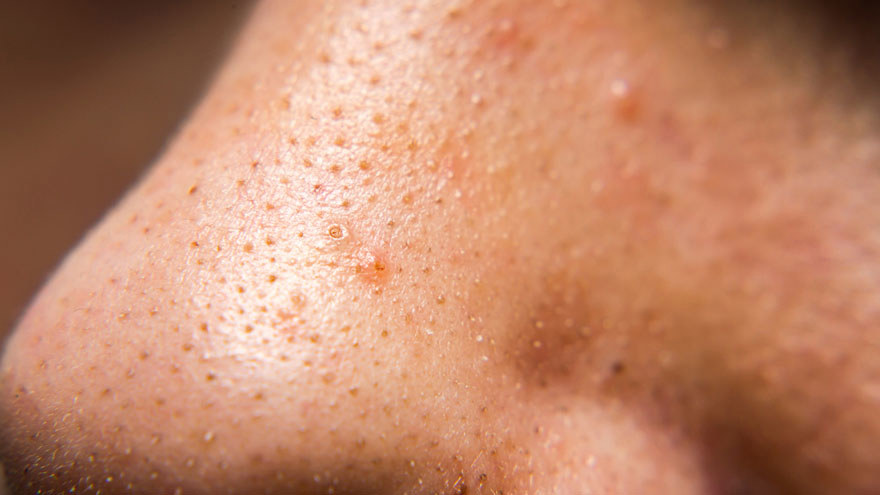
One thing many patients in Gangnam overlook is that not all acne responds to topical cleansers or pimple patches. While mild acne may improve with salicylic acid or benzoyl peroxide, inflammatory acne requires a deeper approach.
Common reasons self-care doesn’t work:
Inflammation runs deeper than surface treatments can reach.
Overuse of harsh products disrupts the skin barrier, worsening redness.
At-home devices (like DIY lasers or light masks) are often used incorrectly, leading to irritation without real improvement.
Social media “hacks” often promote spot treatments that only address surface redness, not the root bacterial and hormonal drivers.
At Delight Dermatology, we remind patients that inflammatory acne isn’t a “dirty skin” issue — it’s a medical condition. Just scrubbing harder or layering more products isn’t the solution.
How Dermatologists Treat Inflammatory Acne
Effective treatment combines calming inflammation, controlling bacteria, and preventing long-term scarring. Depending on severity, we design a personalized program that may include:
1. Prescription Medications
Topical antibiotics & retinoids: These reduce bacterial overgrowth and unclog pores. Retinoids, in particular, help normalize skin cell turnover, which prevents future blockages.
Oral antibiotics (short-term): Useful for moderate to severe flare-ups. They reduce both bacterial counts and inflammation, but must be used carefully to avoid resistance.
Hormonal therapy: For women, especially those who notice cyclical breakouts around menstruation, hormonal therapy such as oral contraceptives or spironolactone can be very effective.
Isotretinoin: For resistant, scarring acne, isotretinoin (commonly known as Accutane) remains one of the most powerful treatments. At our clinic, it is prescribed only under careful medical supervision with blood monitoring, ensuring safety alongside effectiveness.
2. Professional Procedures
Laser & light therapies: Devices like blue light or intense pulsed light (IPL) target acne-causing bacteria and reduce redness. Fractional lasers can also remodel the skin and prevent scarring.
Potenza RF microneedling: One of our most requested treatments. By delivering controlled radiofrequency energy into the dermis, it not only reduces active acne but also stimulates collagen remodeling, minimizing post-acne scarring.
Chemical peels: Medical-grade peels with salicylic acid, glycolic acid, or a customized blend help clear blocked pores, calm inflammation, and gradually fade pigmentation from past breakouts.
3. Barrier Repair & Maintenance
What many patients don’t realize is that repairing the skin barrier is crucial. Inflamed skin heals poorly if its protective layer is damaged. We often prescribe medical-grade moisturizers and soothing treatments alongside active therapies. Without this step, patients can fall into a cycle of over-drying their skin, which paradoxically worsens oil production and breakouts.
The Role of Lifestyle in Acne
While genetics and hormones are primary drivers, lifestyle does play a role. At our clinic, we often discuss:
Diet: High-glycemic foods (white rice, sugary snacks) and dairy have been linked to more frequent breakouts in some patients.
Stress & Sleep: Cortisol spikes during stress increase oil production. Patients preparing for exams, weddings, or career milestones often report sudden flare-ups.
Skincare choices: Heavy, occlusive products, or those containing comedogenic oils, can worsen inflammatory acne.
Rather than suggesting extreme dietary restrictions or “acne diets,” we encourage patients to identify personal triggers and adopt balanced, sustainable habits.
Long-Term Acne Management: Beyond Quick Fixes
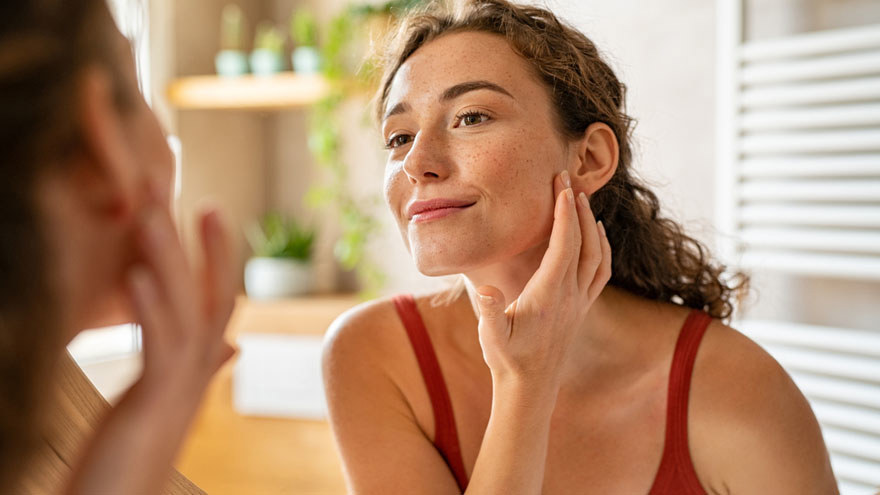
The truth is, no single “miracle” treatment can eliminate inflammatory acne overnight. The key is consistency and professional guidance.
At Delight Dermatology, we often compare acne care to “rebuilding a garden.” First, you clear weeds (active pimples), then you nourish the soil (skin barrier), and finally, you plant seeds (maintenance treatments) so that healthier skin flourishes long-term.
That’s why we encourage patients to think in terms of programs, not one-time fixes. Regular follow-ups, gentle maintenance lasers, and lifestyle adjustments — like moderating sugar intake and managing stress — all help sustain clear, healthy skin.
Emotional and Social Impact of Acne
In Korea, where “glass skin” has become the beauty standard, acne often causes significant emotional distress. Many patients share stories of avoiding social gatherings, wearing heavy makeup to conceal redness, or feeling judged in professional settings.
Dermatologists understand that treating acne isn’t only about clear skin — it’s about restoring self-confidence. At Delight Dermatology, we provide a private, supportive environment where patients feel comfortable discussing not just their skin, but how it affects their lives.
When to See a Dermatologist
If you’re experiencing any of these, it’s time to consult a professional:
Painful cysts or nodules that don’t heal.
Acne leaving dark marks or scars.
Frequent flare-ups despite consistent skincare.
Emotional distress or reduced confidence due to skin.
Early intervention not only clears active acne but also prevents permanent scars — one of the biggest concerns among our patients in Gangnam, where flawless skin is highly valued.
Personalized Acne Care in Gangnam
At Delight Dermatology Clinic, led by Mayo Clinic-trained Dr. Yun Sang Youl and skin rejuvenation specialist Dr. Shin Hui Young, we design individualized acne treatment programs using advanced technology and medical expertise. Our approach balances scientific precision with aesthetic care, helping patients achieve clear, healthy, and confident skin.
If you’ve been struggling with persistent inflammatory acne, don’t wait for scars to form. A personalized program at a dermatologist-led clinic can make all the difference.