Personalized dermatology care in Gangnam, Seoul
en-US

Diagnosis and Treatment for Hair Loss
Discover expert insights on hair loss diagnosis and treatment options. Learn causes, solutions, and steps to restore healthy hair today.
Introduction
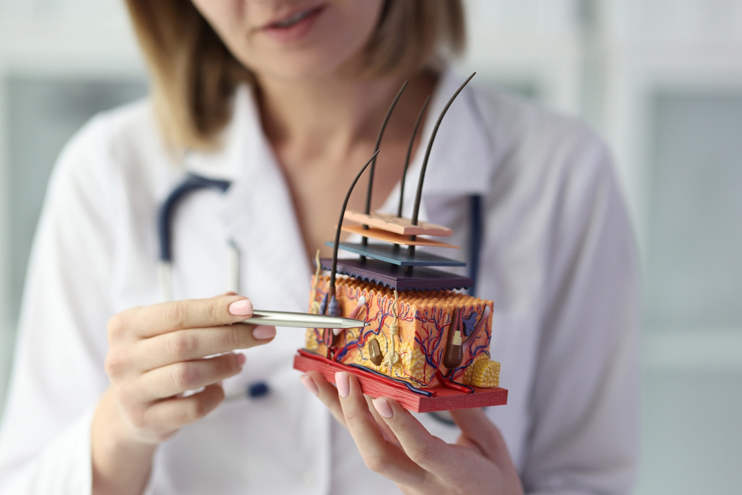
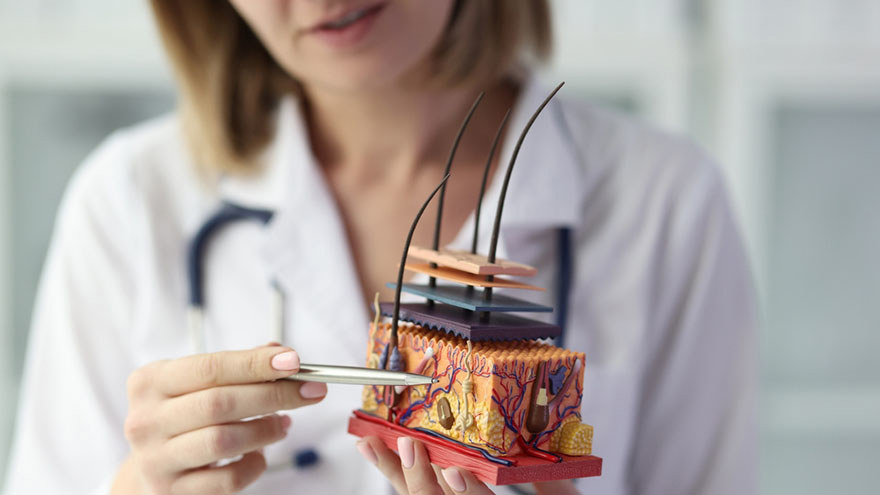
Hair loss is one of the most common reasons patients visit our dermatology clinic in Gangnam. Some arrive worried about a widening part, others notice more hair in the shower drain, and many confess they feel less confident in social or professional settings. What surprises most is how complex hair loss really is — it’s not just about age or genetics.
As dermatologists, our role is to uncover the “why” behind each patient’s hair shedding and then design a treatment plan that restores both scalp health and self-assurance. Let’s explore how hair loss is properly diagnosed and what real, evidence-based treatments are available.
Why Hair Loss Happens
Hair follicles are like tiny factories beneath the scalp, each with its own growth cycle. Normally, about 90% of hair is in the active “anagen” (growth) phase, while 10% rests or sheds. When that balance shifts, thinning or baldness occurs.
Some of the most common causes we see in Korea include:
Androgenetic alopecia (male and female pattern hair loss): The most frequent cause, linked to genetic sensitivity to hormones. Men typically notice a receding hairline or crown thinning, while women see diffuse thinning along the part.
Telogen effluvium: Temporary shedding triggered by stress, illness, childbirth, or diet changes. Postpartum hair loss is especially common among young Korean mothers and can feel alarming even though it usually resolves with proper care.
Alopecia areata: An autoimmune condition causing sudden patchy bald spots, often mistaken for fungal infection.
Scarring alopecia: Permanent damage to follicles from inflammation, lupus, or lichen planopilaris. This requires early detection to prevent irreversible loss.
Styling damage: Excessive perms, dyes, or tight hairstyles. In K-beauty culture, frequent bleaching and extensions can accelerate breakage and follicle stress.
To be honest, many patients misdiagnose themselves by Googling symptoms or buying over-the-counter tonics. But in reality, what looks like “genetic hair loss” could be something reversible — like an iron deficiency or thyroid issue. That’s why professional diagnosis matters.
The Dermatologist’s Diagnostic Process
At Delight Dermatology Clinic, we never rush to prescribe without understanding the root cause. A proper evaluation includes:
Detailed consultation: Medical history, family history, stress levels, lifestyle, and recent hormonal changes are all relevant. A 28-year-old woman may lose hair after crash dieting, while a 45-year-old man may be battling androgenetic alopecia. The background guides our next steps.
Scalp and hair examination: Using dermoscopy, we magnify follicles up to 100x to detect miniaturization, inflammation, or early scarring that the naked eye misses.
Laboratory tests: Checking iron, vitamin D, thyroid hormones, and sometimes autoimmune markers. In Korea, ferritin (iron storage) deficiency is especially common among women.
Photographic tracking: Baseline images help us objectively monitor progress over months. Many patients forget how severe their shedding looked at first — photos make progress visible.
This step is crucial. What many patients in Gangnam overlook is that treating the wrong type of hair loss wastes both time and money — and often delays the real solution.
Treatment Options for Hair Loss
There’s no one-size-fits-all cure. Instead, treatment must match the underlying cause and the patient’s goals.
1. Medical Treatments
These are the foundation for most patients:
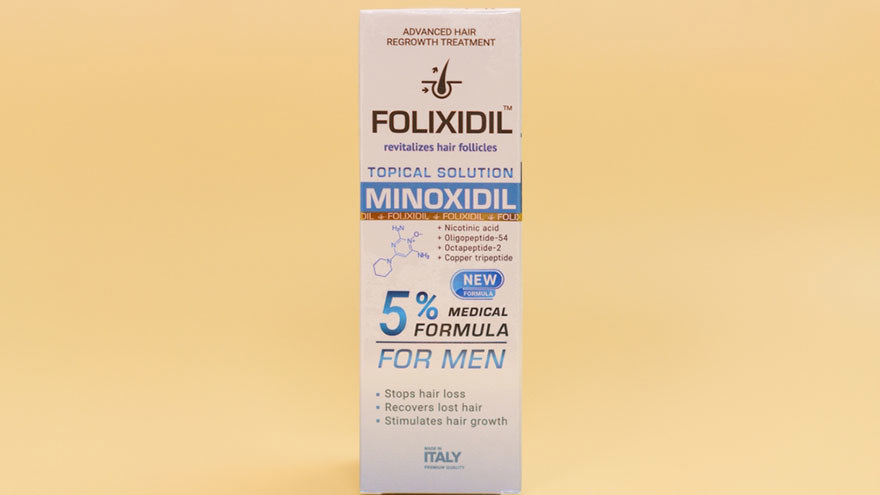
Topical Minoxidil: A proven solution that extends the growth phase of hair. Available as foam or liquid, it works for both men and women. The catch? Consistency is key. Many patients stop too early, before results appear.
Oral Finasteride or Dutasteride: For male patients, these medications reduce the hormone (DHT) that shrinks follicles. Dutasteride is sometimes preferred in Korea for stronger efficacy. Women of childbearing age cannot use these.
Oral Spironolactone: Prescribed for women with hormonal hair loss, especially those with acne or irregular periods.
Nutritional support: Correcting deficiencies in iron, zinc, or vitamin D can make a visible difference. In practice, we often see hair quality improve within months of supplementation.
These treatments form the medical backbone of hair restoration, but results improve dramatically when paired with in-clinic therapies.
2. Scalp Procedures
At Delight Dermatology, we integrate advanced dermatologic technologies for stronger, faster results. These are especially popular among Gangnam patients seeking a proactive approach:
PRP (Platelet-Rich Plasma): Using your own growth factors to stimulate follicles. Blood is drawn, spun in a centrifuge, and the plasma injected into thinning areas. Many patients describe improved thickness within 3–6 months.
Exosome therapy: Next-generation regenerative treatment delivering cellular messengers that promote healing and hair growth. Particularly promising in resistant cases.
Microneedling with serums: Creates microchannels that deliver nutrients directly to follicles. Think of it as “aerating the soil” so new growth can flourish.
Laser scalp therapy: Low-level laser devices enhance circulation and cellular metabolism, often used as supportive care.
Patients often describe these treatments as “rebuilding the soil so the garden can grow again.” They do not replace medical therapy but work synergistically.
3. Lifestyle and Maintenance
Even the best treatments can fail if the scalp environment isn’t cared for. We guide patients on:
Scalp hygiene: Using medicated shampoos to reduce buildup and inflammation.
Stress management: Chronic stress pushes follicles into shedding mode. Patients who improve sleep often see reduced hair fall.
Realistic expectations: Maintenance matters more than a single “miracle session.” Like anti-aging skincare, hair care requires ongoing commitment.
Avoiding over-styling: Frequent perms and bleaching may align with Korean beauty trends, but moderation preserves follicle strength.
4. Surgical Options
For patients with advanced baldness, hair transplantation remains a reliable choice. Techniques like FUE (follicular unit extraction) provide natural-looking results with minimal downtime.
What many don’t realize is that surgery alone isn’t enough. Without ongoing medical therapy, existing non-transplanted hair may continue thinning. At our clinic, we design combined programs — surgery plus maintenance treatments — to ensure long-term density.
What Results Can You Expect?

This is the question everyone asks. The truth: hair growth takes patience.
3 months: Reduced shedding and improved scalp health.
6 months: New, fine hairs appear along the hairline and part.
12 months: Noticeable thickening and improved density.
Hair grows only about 1 cm per month. Many Gangnam patients come in expecting instant regrowth. But hair is slow by nature — like rebuilding scaffolding from the inside out. What we promise is realistic progress, not overnight miracles.
When to See a Dermatologist
If you’ve noticed hair loss lasting more than 3–6 months, or if your part is visibly widening, don’t delay. Early intervention is the single biggest predictor of success.
Patients often tell us they regret waiting until their hair loss became “obvious.” By then, follicles may already be permanently damaged.
We also recommend seeing a dermatologist if:
You experience sudden patchy bald spots.
You have scalp pain, redness, or scaling.
You notice shedding after major health events (e.g., COVID-19, childbirth).
Why Choose a Dermatology Clinic in Seoul?
Korean patients are uniquely invested in beauty and hair aesthetics — and this cultural expectation pushes clinics to stay at the forefront of treatments. At Delight Dermatology Clinic, we blend:
Global expertise: Our lead dermatologist trained at Mayo Clinic in the U.S.
Cutting-edge devices: From PRP to regenerative exosome therapy.
Personalized care: Boutique-style consultations, never rushed.
Unlike cosmetic centers that focus only on appearance, a dermatologist-led clinic ensures medical precision and long-term scalp health. Hair is deeply personal. Treating hair loss isn’t just about science — it’s about restoring confidence, identity, and quality of life.
Final Thoughts
Hair loss is not a single problem with a single solution. It’s a medical condition that deserves professional diagnosis and a tailored plan.
If you’ve been struggling with persistent shedding, widening part lines, or patchy bald spots, consider a comprehensive evaluation at a dermatologist-led clinic like Delight Dermatology in Gangnam. The earlier we intervene, the stronger and healthier your hair can remain for years to come.