Personalized dermatology care in Gangnam, Seoul
en-US

Effective Treatments for Corns and Warts
Discover effective treatments for corns and warts, from home remedies to medical options. Say goodbye to discomfort—learn more now!
Introduction
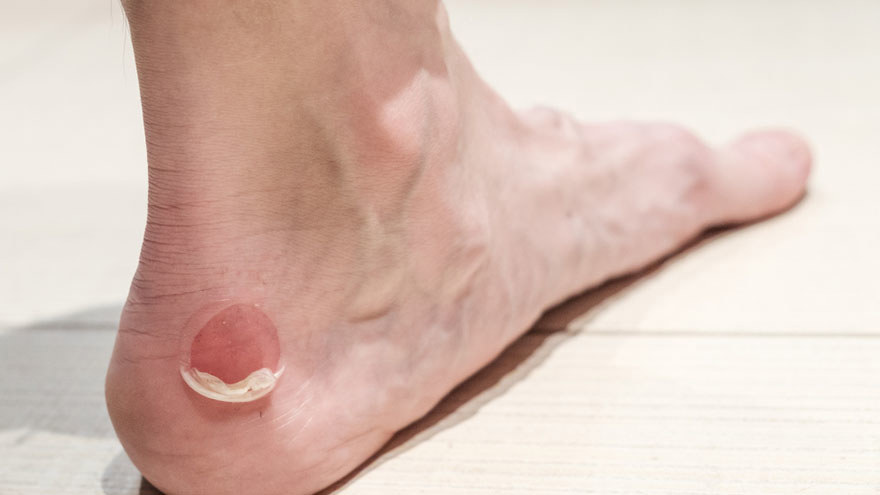
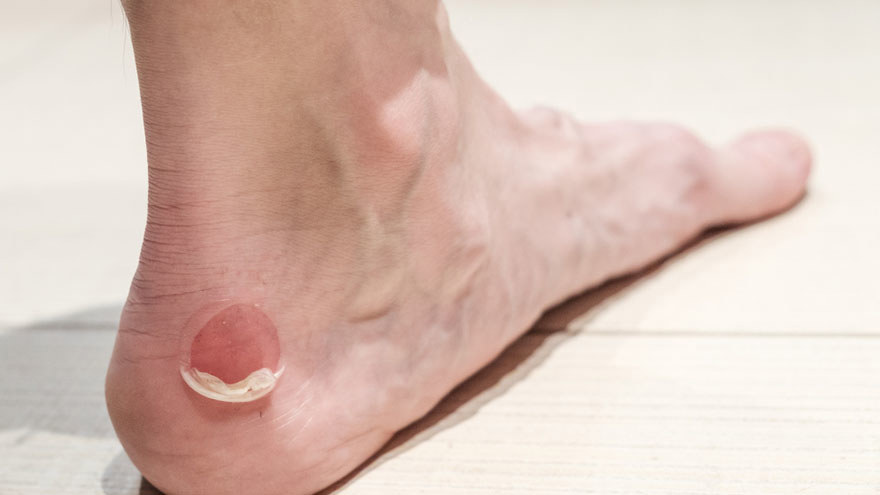
Imagine this: you’ve just bought a new pair of elegant shoes, but within days, walking feels uncomfortable. A small, hardened spot has formed on your toe, pressing deep with each step. You wonder — is it just a corn, or could it be a wart? Many patients in Seoul come to us with exactly this confusion. Both corns and warts appear as stubborn, uncomfortable bumps on the feet, but they’re very different conditions — and require very different treatments.
At Delight Dermatology Clinic in Seocho-gu, we often see patients who have tried at-home remedies, only to find their condition worsening or recurring. To clear up confusion, let’s explore what corns and warts really are, why they form, and what modern dermatology offers for effective, lasting treatment.
What Are Corns and Warts?
Although they may look alike to the untrained eye, corns and warts are fundamentally different in cause, structure, and treatment approach.
Corns
A corn is essentially thickened skin that develops from repeated friction or pressure — much like how calluses form on the hands of someone who plays guitar. Corns are the body’s way of protecting itself, but the concentrated pressure creates pain, often described as “walking with a pebble in your shoe.”
Key traits of corns:
Hard, dense center (like a small kernel).
Usually found on toes, sides of the foot, or soles where shoes rub.
Not caused by infection — purely mechanical.
May be painful with direct downward pressure.
Dermatologists classify corns into types:
Hard corns (heloma durum): Firm, dense, and commonly found on pressure points.
Soft corns (heloma molle): Often between toes, kept moist and painful due to sweat and friction.
Seed corns: Tiny, multiple corns that often appear on the sole, especially in dry skin types.
Warts
A wart, by contrast, is caused by a viral infection — specifically the human papillomavirus (HPV). Plantar warts (on the feet) are notorious for looking like corns, but they behave differently. Warts often disrupt the skin’s natural lines and may show tiny black dots (clotted blood vessels).
Key traits of warts:
Caused by HPV, contagious by direct or indirect contact.
Painful when pinched from the sides, unlike corns.
Can multiply and spread if untreated.
Sometimes bleed slightly if pared down, due to underlying blood vessels.
Dermatologist’s insight: Many patients in Gangnam mistake a viral wart for a corn, self-treat with corn plasters, and end up spreading the infection. Correct diagnosis is crucial.
Why Treat Corns and Warts Early?
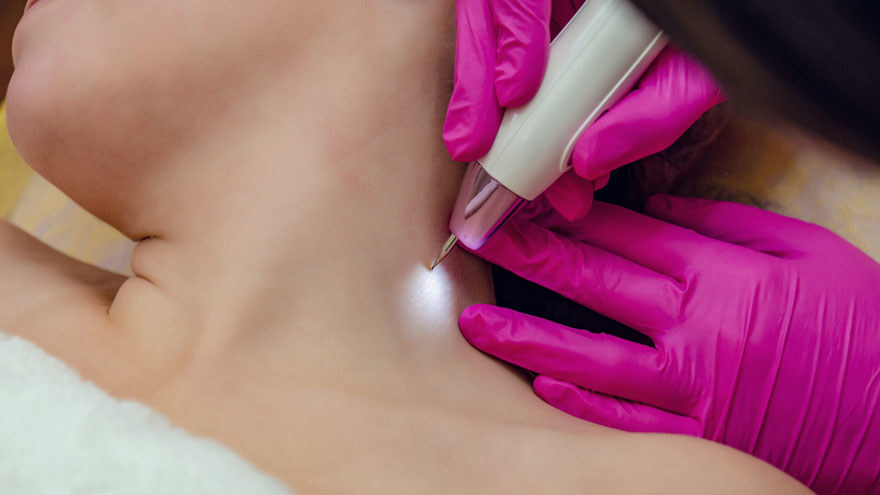
Patients often try to endure the discomfort or apply over-the-counter remedies. But delaying professional treatment has consequences.
Pain management: Both conditions can make walking uncomfortable, affecting work, exercise, and daily life.
Prevention of spread: Warts can multiply on the same foot or infect family members. Corns, if ignored, can deepen and cause open sores, especially in patients with diabetes.
Better results: Early, targeted treatment reduces recurrence, scarring, and chronic discomfort.
Improved skin health: Chronic friction or viral infection can weaken the skin barrier, making feet more vulnerable to secondary infections.
Effective Treatments for Corns
Dermatology treatments focus on removing the hardened skin and addressing the underlying mechanical cause.
1. Professional Debridement
Using sterile tools, dermatologists carefully shave down the thickened skin. This provides instant relief without damaging healthy skin. Unlike self-cutting (which we strongly advise against), medical debridement is precise and avoids infection risk.
2. Customized Padding & Footwear Advice
Corns often recur unless pressure is reduced. At Delight Dermatology, we help patients identify footwear issues — such as narrow-toed heels or stiff dress shoes — and provide cushioning pads or orthotic support.
3. Keratolytic Creams
Prescription creams containing salicylic acid, lactic acid, or urea help soften thickened skin, reducing recurrence when used with proper footwear. These are particularly effective for seed corns and dry skin types common in winter.
4. Long-Term Prevention Strategies
Choosing shoes with adequate toe room.
Using moisture-balancing foot creams to prevent dryness.
Periodic skin check-ups, especially for those prone to recurrence.
Our clinic perspective: For many Gangnam professionals who wear high heels or tight dress shoes, ongoing maintenance and shoe adjustment are as important as treatment itself.
Effective Treatments for Warts

Because warts are viral, treatment focuses on destroying infected tissue and stimulating the body’s immune system to clear HPV.
1. Cryotherapy (Freezing)
Liquid nitrogen is applied to freeze wart tissue. Multiple sessions may be needed, but it’s a reliable, globally recognized method.
2. Laser Therapy
Devices like CO₂ laser, pulsed-dye laser, or Nd:YAG laser target wart tissue precisely. Lasers can penetrate deeper than topical treatments, making them highly effective for stubborn plantar warts.
3. Immunotherapy
For recurrent warts, dermatologists may use immune-stimulating treatments — such as topical imiquimod or intralesional injections — to encourage the body’s own defense system to fight HPV.
4. Topical Medications
Prescription-strength salicylic acid, cantharidin (“blistering agent”), or retinoid creams may be applied depending on wart location and thickness.
5. Combination Approaches
In practice, stubborn warts often require layered treatments. For example, cryotherapy combined with topical immunotherapy can improve clearance rates.
Our clinical experience: In Seoul, we often see patients who have tried over-the-counter freezing sprays or acids without success. These treatments are weaker than medical-grade options and may not reach deeper wart tissue, which is why professional treatment is usually required.
Corns vs. Warts: Why Self-Treatment Often Fails
Corns: Patients try cutting them at home, risking infection or deeper pain.
Warts: Patients use corn patches, which do nothing against the virus and may spread HPV.
Both: Misdiagnosis is common — what looks like a corn could be a wart, and vice versa.
At a dermatology clinic, proper diagnosis is the most important step. A trained eye can distinguish between the two quickly and recommend the right treatment plan.
Lifestyle and Cultural Factors in Korea
Living in Seoul presents unique skin challenges.
Fashion-forward footwear: Narrow shoes and high heels, popular in Gangnam, increase corn risk.
Fitness culture: High-impact sports like running or Pilates can trigger foot friction.
Communal spaces: Public baths, jjimjilbangs, and swimming pools make HPV transmission more likely, explaining why plantar warts are common in Korea.
Tip: Wearing sandals in communal wet areas significantly reduces wart risk.
The Delight Dermatology Approach
At Delight Dermatology Clinic in Seocho-gu, Gangnam, we focus on precision-based, comfortable treatments tailored to lifestyle.
For corns, we combine safe removal with footwear and skin-care guidance.
For warts, we use advanced options like laser therapy and immune-based treatments, minimizing downtime for busy professionals.
For chronic or recurrent cases, we design long-term skin health plans, helping patients prevent reoccurrence.
We often remind patients: treating the visible bump is just one step. Preventing recurrence is where true dermatology expertise makes the difference.
When to See a Dermatologist
You should seek professional care if:
Pain interferes with daily walking or exercise.
You’re unsure whether it’s a corn or wart.
The lesion recurs despite at-home treatment.
You have diabetes, poor circulation, or immune issues.
The lesion appears to spread or multiply.
Final Thoughts
Corns and warts may seem like small problems, but anyone who has lived with them knows how disruptive they can be. The key is recognizing that while they may look similar, their causes and treatments are completely different.
If you’ve been struggling with a persistent bump on your foot — whether you suspect a corn or a wart — don’t guess. A precise diagnosis and tailored treatment plan will not only relieve discomfort but also prevent recurrence.
At Delight Dermatology Clinic in Gangnam, we help patients get back to walking comfortably — whether through expert corn care or advanced wart treatment. If you’re ready to resolve foot discomfort for good, consider visiting a dermatologist-led clinic that blends global expertise with personalized care.