Personalized dermatology care in Gangnam, Seoul
en-US

Fighting Free Radicals: Skin Protection with Antioxidants
Protect your skin from free radical damage with powerful antioxidants. Discover how they fight aging and boost skin health. Learn more today!
Introduction
A dermatologist’s perspective on preserving youthful, resilient skin in a high-stress world
To be honest, many patients who visit our clinic in Gangnam truly feel they are doing everything right.
They apply sunscreen daily, invest in premium skincare, and follow beauty routines inspired by Korean and global trends. Some even explore advanced home beauty devices, hoping to stay one step ahead of aging.
And yet, despite all of this effort, they still notice dullness that won’t lift, pigmentation that keeps returning, fine lines that seem deeper each year, or a tired look that makeup can’t fully conceal.
What’s often missing from the conversation is an invisible but relentless force acting on the skin every day: free radicals — and the slow, cumulative damage they create beneath the surface.
This is where antioxidants matter. Not as a trend, not as a marketing promise, but as a core pillar of evidence-based dermatology and long-term skin health.
Let’s look closely at what free radicals are, why they accelerate skin aging, and how antioxidants truly protect the skin when used correctly and consistently.
What Are Free Radicals — and Why Do Dermatologists Take Them Seriously?
Free radicals are unstable molecules that lack an electron. In order to stabilize themselves, they steal electrons from nearby healthy cells — including skin cells.
From a clinical standpoint, this process is destructive. When free radicals interact with skin cells, they damage DNA, proteins, and lipids that are essential for healthy skin function.
An easy way to visualize this is to imagine tiny sparks landing on your skin throughout the day. One spark is harmless. But thousands, repeated daily over years, quietly weaken the structure of the skin.
Common sources of free radicals that affect skin
Ultraviolet (UV) radiation — even during short outdoor exposure
Air pollution and fine dust, especially in urban environments like Seoul
Blue light from phones, tablets, and computer screens
Smoking and secondhand smoke
Alcohol consumption
Chronic stress and sleep deprivation
Inflammation caused by acne, eczema, or overly aggressive treatments
Each of these triggers increases oxidative stress, a biological chain reaction that damages key components of the skin:
Collagen fibers, leading to wrinkles and loss of firmness
Elastin, reducing skin elasticity and bounce
Melanocytes, triggering pigmentation, melasma, and uneven tone
Skin barrier lipids, resulting in dryness, sensitivity, and irritation
This explains why many patients in their 30s and 40s say:
“My skin suddenly looks older.”
In reality, the damage has been accumulating for years. It simply becomes visible once the skin’s repair capacity is overwhelmed.
Oxidative Stress: The Silent Accelerator of Skin Aging
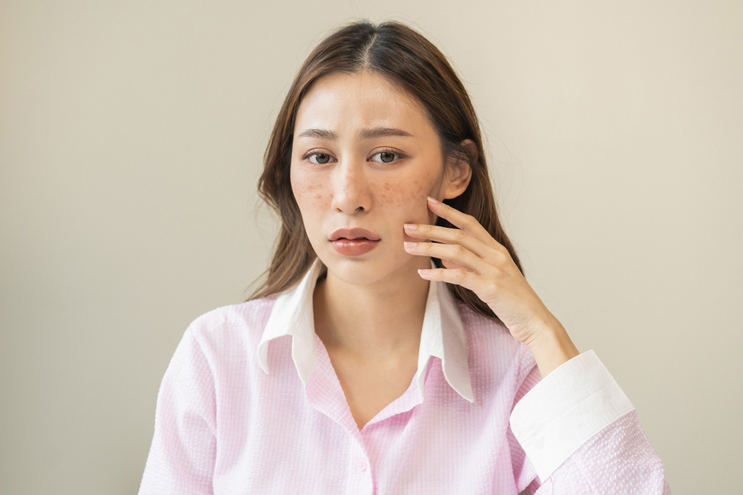
In dermatology, oxidative stress is not just linked to wrinkles. It plays a role in nearly every chronic skin concern we treat.
Clinically, we see oxidative stress contribute to:
Melasma and post-inflammatory hyperpigmentation
Persistent redness and rosacea flare-ups
Acne that heals slowly and leaves marks
A weakened skin barrier that reacts easily
Slower recovery after laser or energy-based procedures
One analogy we often share with patients is this:
Collagen is the scaffolding beneath your skin.
Free radicals don’t collapse the building overnight — they quietly weaken the scaffolding until the structure can no longer support itself.
Over time, gravity, facial movement, and volume loss make that weakened foundation visible.
This is why antioxidant care isn’t optional or “extra.”
It is preventive dermatology, designed to slow damage before it becomes permanent.
What Exactly Are Antioxidants?
Antioxidants are molecules that neutralize free radicals by safely donating electrons — without becoming unstable themselves.
In simple terms, antioxidants stop the chain reaction of oxidative damage before it spreads.
Your body naturally produces antioxidants, but several factors reduce their effectiveness over time:
Antioxidant production decreases with age
Environmental exposure increases year by year
Chronic inflammation consumes antioxidant reserves
Skin has limited capacity to store antioxidants
This is why modern dermatology emphasizes topical antioxidant support, alongside overall lifestyle and nutritional strategies.
Antioxidants That Truly Matter for Skin Health
Not all antioxidants are created equal. Some degrade quickly, some don’t penetrate the skin effectively, and others are present in concentrations too low to make a clinical difference.
Below are antioxidants that dermatologists consistently rely on — supported by both research and real-world practice.
Vitamin C (Ascorbic Acid)
Stimulates collagen production
Brightens dull, uneven skin tone
Reduces UV-induced oxidative damage
Enhances the protective effect of sunscreen
Clinical insight:
One of the most common mistakes we see is patients using oxidized vitamin C serums. If the product has turned yellow or brown, it has likely lost effectiveness. Proper formulation, airtight packaging, and consistent use are essential for results.
Vitamin E
Protects cell membranes from oxidative injury
Works synergistically with vitamin C
Supports skin barrier repair after irritation or procedures
Niacinamide (Vitamin B3)
Reduces inflammation
Strengthens the skin barrier
Helps regulate pigmentation and sebum production
Improves tolerance to active treatments
Niacinamide is especially valuable for patients with acne-prone, sensitive, or compromised skin.
Polyphenols (Green Tea, Resveratrol)
Provide strong anti-inflammatory benefits
Protect against pollution-induced damage
Calm redness and support post-procedure healing
These antioxidants are particularly helpful for patients living in urban environments or undergoing frequent aesthetic treatments.
Antioxidants and Sunscreen: A Team, Not a Choice
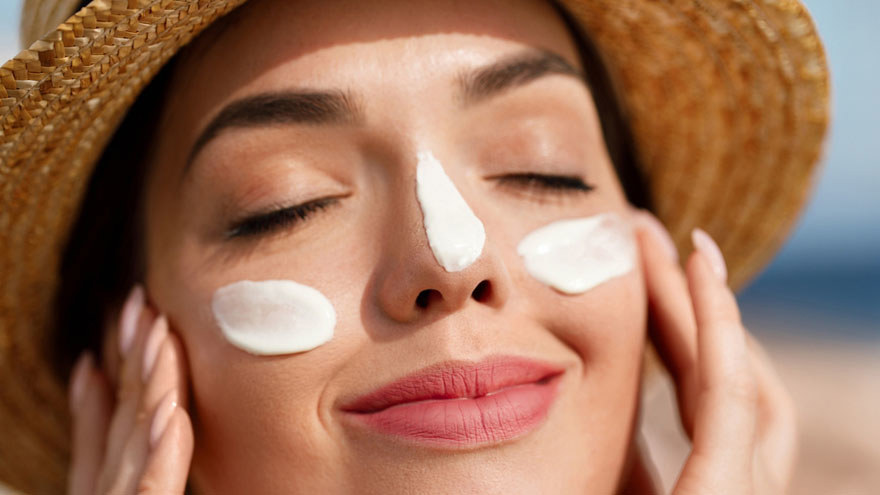
One of the most common questions we hear is:
“If I already use sunscreen, do I still need antioxidants?”
The answer is a clear yes.
Sunscreen:
Blocks or absorbs UV radiation
Reduces the formation of free radicals
Antioxidants:
Neutralize free radicals that still form
Support cellular repair and resilience
No sunscreen blocks 100% of UV rays. Antioxidants fill that gap.
In clinical practice, patients who use both consistently experience:
Less pigmentation recurrence
Improved elasticity and texture over time
More stable results after lasers, RF lifting, or pigmentation treatments
Antioxidants in Professional Dermatology Care
At Delight Dermatology Clinic, antioxidants are not treated as an afterthought. They are woven into our treatment planning from the start.
Before procedures
Reduce baseline inflammation
Strengthen the skin barrier
Lower the risk of post-treatment pigmentation or prolonged redness
After procedures
Accelerate recovery
Minimize oxidative rebound
Support collagen remodeling and long-term results
This approach is especially important for patients undergoing:
Pigmentation laser treatments
RF or ultrasound-based lifting procedures
Microneedling or combination therapies
One clinical truth that often goes unmentioned online:
Advanced devices cannot compensate for compromised skin biology.
Skin that is well-supported with antioxidants responds more predictably and heals more gracefully.
Dietary Antioxidants: Helpful, But Not a Shortcut
A diet rich in fruits, vegetables, and antioxidant-rich foods absolutely supports overall skin health.
However, it’s important to understand the limitations:
Oral antioxidants are distributed throughout the body
Only a small fraction reaches the skin
Visible improvements are gradual
Topical antioxidants, when properly formulated, deliver targeted protection directly where damage occurs.
Think of nutrition as long-term internal support — and topical antioxidants as daily external defense.
Both matter, but they serve different roles.
Why Antioxidants Matter So Much in Korean Beauty Culture
In Korea, expectations for skin are exceptionally high:
Even tone
Smooth texture
Clear, luminous “glass skin”
At the same time, patients are extremely aware of:
Subtle pigmentation changes
Early loss of elasticity
Acne marks or redness that linger
Antioxidants play a key role in:
Preventing pigmentation rebound after treatment
Maintaining translucency and clarity
Preserving results between clinic visits
What many patients in Gangnam overlook is that maintenance matters more than intensity.
One aggressive treatment without antioxidant support often leads to frustration.
A balanced, antioxidant-centered plan supports longevity.
How to Use Antioxidants Correctly (Without Overdoing It)
From a dermatologist’s perspective, simplicity and consistency win.
Morning routine
Gentle cleanse
Antioxidant serum (vitamin C or niacinamide-based)
Moisturizer
Broad-spectrum sunscreen
Evening routine
Cleanse thoroughly
Repair-focused antioxidants (niacinamide, polyphenols)
Barrier-supportive moisturizer
Avoid:
Layering too many active ingredients
Mixing unstable formulations
Using oxidized or expired products
More products do not mean better skin.
Consistent, thoughtful use does.
The Real Takeaway: Antioxidants Are a Long-Term Skin Investment
Free radicals are unavoidable. Aging is natural.
But premature skin damage is not inevitable.
Antioxidants don’t promise instant transformation — and that’s exactly why dermatologists trust them. They work quietly, steadily, and cumulatively.
If you’ve been struggling with:
Recurrent pigmentation
Skin that looks tired despite treatments
Results that fade too quickly
It may be time to reassess your antioxidant strategy — not as a single product, but as part of a personalized skin health plan.
At a dermatologist-led clinic that combines global training with individualized care, antioxidant therapy becomes more than skincare.
It becomes skin longevity management — protecting what you’ve built and preserving what’s still to come.