Personalized dermatology care in Gangnam, Seoul
en-US

Hair Loss Treatment Solutions for All Ages
Discover effective hair loss treatment solutions for all ages. Restore confidence with proven methods tailored to every stage of life. Learn more today!
Introduction
It often starts subtly. A little more hair left on the pillow. A widening part line in photos. Or the quiet worry that your ponytail doesn’t feel as full as it used to. Hair loss, whether gradual or sudden, affects far more than appearance — it touches confidence, identity, and even how we interact socially.
At Delight Dermatology Clinic in Seocho, Gangnam, we meet patients of all ages who are navigating the stress of thinning hair. Some are young professionals in their 20s, anxious about early-pattern hair loss. Others are women in their 30s–40s dealing with postpartum shedding or hormonal changes. And many are men in their 50s–60s who want to maintain a youthful, confident look in both professional and personal settings.
The reassuring truth is this: hair loss is treatable at every age — but the right solution depends on timing, cause, and individual lifestyle.
Why Hair Loss Happens — Beyond Genetics
Most people immediately think “hereditary baldness.” And yes, androgenetic alopecia (male and female pattern hair loss) is one of the most common causes, affecting millions worldwide. But in clinic, we see a spectrum of triggers that can act alone or in combination.
Hormonal shifts: During pregnancy and postpartum, estrogen and progesterone fluctuations lead to temporary shedding. In menopause, declining estrogen allows androgens to play a stronger role, accelerating follicle miniaturization.
Stress-related shedding: Known as telogen effluvium, this type of loss typically appears 2–3 months after a stressful event, surgery, or even extreme dieting. Hair follicles prematurely shift into the resting (telogen) phase, leading to diffuse thinning.
Nutritional gaps: Ferritin (iron storage), vitamin D, and adequate protein are all essential for healthy hair cycling. Korea’s popularity of “one-meal-a-day” diets and extreme weight loss regimens often trigger avoidable shedding.
Medical conditions: Autoimmune alopecia areata can cause patchy bald spots. PCOS (polycystic ovary syndrome) often drives hormonal imbalances in women. Thyroid dysfunction and chronic inflammation can also quietly weaken follicles.
Aging: Even without disease, hair follicles naturally shrink and produce thinner strands with age — a process called senescent alopecia.
What many patients overlook is that hair loss is rarely “just cosmetic.” The scalp is an extension of skin health, and underlying causes need careful evaluation. That’s why self-medicating with random supplements or over-the-counter shampoos often leads to disappointment.
Treatment Approaches by Age Group
In Your 20s: Early Intervention Matters
For young adults, especially men noticing early receding or thinning, timing is everything. At this stage, follicles are still active, which means treatments can stabilize and even regrow hair.
Effective options include:
Prescription topicals like minoxidil, which prolongs the growth phase (anagen) and improves blood circulation to follicles.
Oral DHT-blockers (for men) such as finasteride or dutasteride, which prevent testosterone from converting into DHT, the hormone responsible for follicle shrinkage.
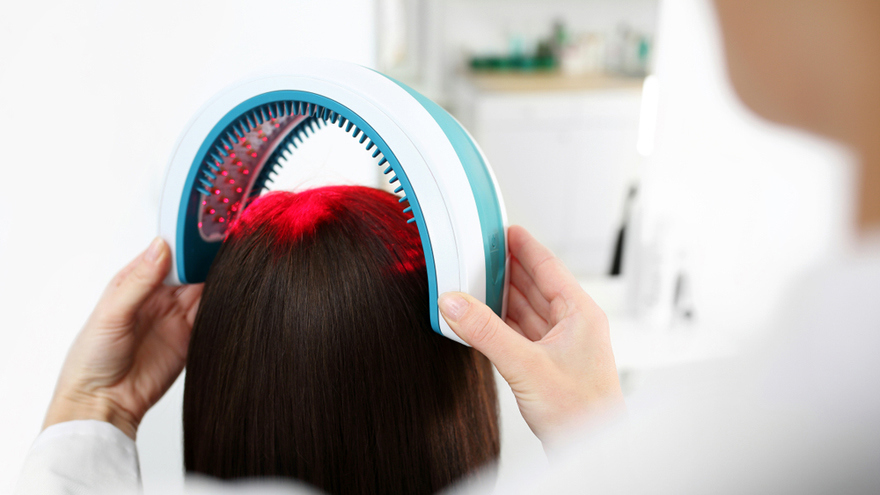
Scalp laser therapy: Low-level light can boost cellular energy (ATP) in follicle cells, improving density when combined with medical therapy.
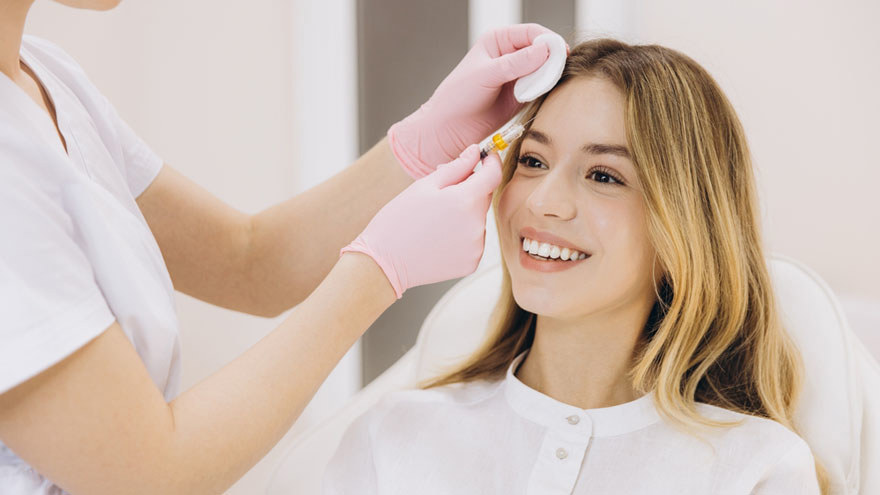
Customized scalp programs: At dermatologist-led clinics, treatments may include anti-inflammatory scalp care, microneedling, or growth-factor infusions to maintain a healthy scalp environment.
At this age, we emphasize education: understanding realistic expectations and preventing aggressive loss before it progresses. Early, consistent care often means avoiding more invasive procedures later.
In Your 30s and 40s: Balancing Hormones and Lifestyle
This is when many women first notice hair changes — often tied to childbirth, stress, or hormonal fluctuations. Men in their late 30s–40s may also experience accelerated thinning, especially if there is a family history of baldness.
Our recommended strategies include:
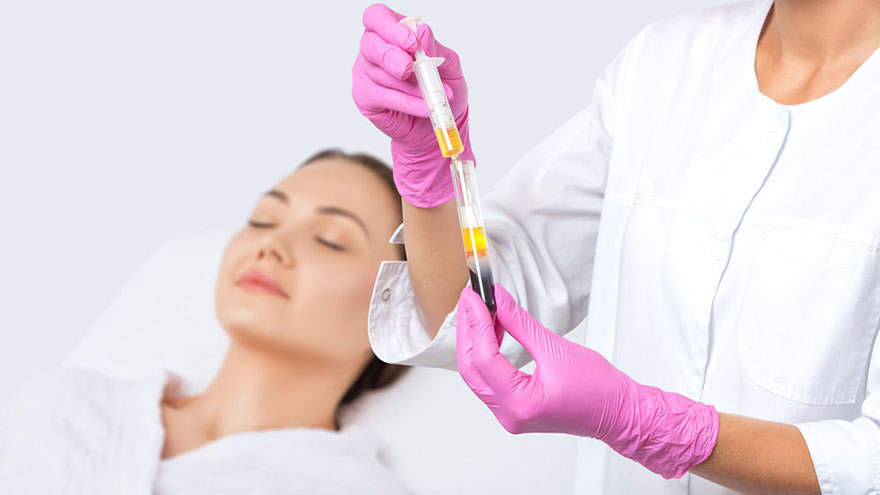
PRP (Platelet-Rich Plasma) therapy: Concentrated plasma from the patient’s own blood is injected into the scalp. The growth factors act like a “reset signal,” stimulating dormant follicles and improving thickness.
Microneedling with hair serums: Creates microchannels that allow peptides, vitamins, or minoxidil to penetrate deeper.
Hormone evaluation: Testing thyroid, estrogen-progesterone balance, and androgens is critical for women experiencing diffuse loss.
Nutritional optimization: Iron deficiency remains one of the most overlooked causes of female hair loss. At Delight, we check ferritin, vitamin D, and B12 levels, then guide patients on targeted supplementation.
To be honest, this is the decade when patients often come to us frustrated — having tried “miracle” shampoos or at-home devices without meaningful change. Professional assessment saves time and emotional energy, ensuring treatments are tailored to the real cause instead of chasing gimmicks.
In Your 50s and Beyond: Maintaining Density and Confidence
By the time patients reach their 50s and 60s, hair loss is less about “reversing” and more about preserving what remains. Follicles are fewer, but scalp health and density can still be improved.
Options often include:
Low-level laser therapy (LLLT) for ongoing stimulation and maintenance.
Scalp boosters and regenerative treatments such as exosome therapy or peptide injections, which enhance follicle microenvironment.
Advanced medications: For some patients, adjusting dosage or combining topical and oral options provides safe, age-appropriate results.
Hair transplantation: A powerful solution when done correctly. Techniques like FUE (follicular unit extraction) or FUT (strip method) can redistribute follicles from denser areas to thinning zones. Importantly, we always pair transplants with medical therapy — because without maintenance, even transplanted hair can weaken over time.
Many of our senior patients in Gangnam tell us they don’t want to look “too different” — just healthier, fresher, and true to themselves. Gentle, consistent maintenance is key.
Why Clinic-Based Treatment Works Better Than DIY
If you’re wondering whether visiting a dermatology clinic really makes a difference, here’s what we see daily:
Patients often overuse at-home lasers without medical guidance, leading to scalp irritation or simply wasted effort because the underlying issue wasn’t addressed.
Nutritional supplements are taken blindly, while the real deficiency is never tested. Without lab work, patients may take biotin endlessly, when in reality their ferritin is low.
Hair transplants are done abroad cheaply, but without long-term maintenance, results fade quickly and density drops within a few years.
Hair restoration is a long-term partnership, not a one-time fix. At Delight Dermatology Clinic, we tailor programs combining medical precision (labs, prescriptions, device therapies) with artistry (natural density, age-appropriate results).
What to Expect at Delight Dermatology Clinic
When a patient walks into our Seocho clinic for hair loss, the process usually looks like this:
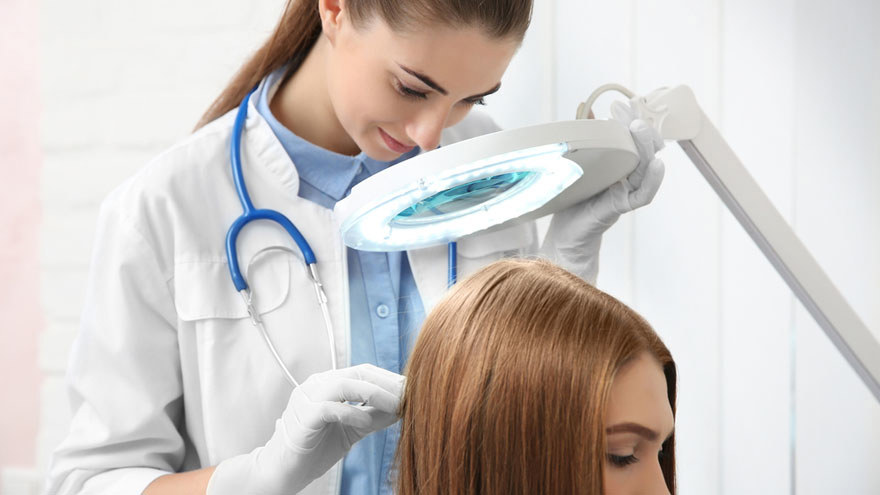
Detailed scalp analysis with high-resolution imaging to assess follicle density, hair shaft diameter, and scalp condition.
Medical history review — including hormonal background, stress, diet, medications, and family history.
Blood work to check for deficiencies, thyroid imbalance, or hormonal disruption.
Personalized plan — combining treatments like PRP, medications, laser therapy, or supportive scalp care.
Follow-up care — monitoring density and adjusting treatment every few months, because hair cycles take time (3–6 months) to reflect visible improvement.
Think of it like rebuilding scaffolding beneath the skin: treatments support the follicles so they can produce thicker, stronger strands again.
Living with Confidence at Any Age
Whether you’re 25 and panicking over a receding hairline, or 55 and simply wishing your hair looked a little fuller, know this: you’re not alone, and solutions exist.
Hair loss doesn’t need to dictate your confidence. What matters is choosing the right treatment at the right time — guided by specialists who understand both medical science and aesthetic balance.
Take the Next Step
If you’ve noticed your hair changing, the earlier you act, the more options you’ll have. At Delight Dermatology Clinic, our team blends Mayo Clinic–trained expertise with advanced Korean aesthetic technology to help patients regain not just hair, but peace of mind.
Visit us in Seocho, Gangnam — where we believe hair restoration is not about chasing trends, but about restoring confidence at every stage of life.
Schedule a private consultation today at Delight Dermatology Clinic and explore a personalized hair loss program designed for your age, needs, and long-term goals.