Personalized dermatology care in Gangnam, Seoul
en-US

How Much for Stem Cell Therapy in Korea? 30% Cheaper Than Japan Clinics
Get Stem Cell Therapy in Korea for 30% less than Japan’s clinics. Starting from $2,000, access world-leading regenerative medicine and tax refunds in Seoul.
Introduction
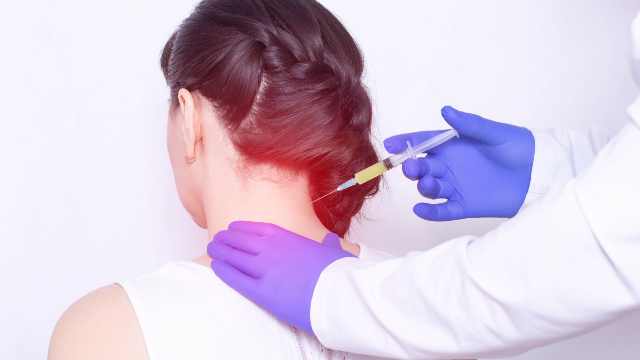
The world of medicine is undergoing a massive shift. We are moving away from simply treating symptoms and toward healing the body from within. This is known as the Regenerative Revolution. Stem Cell Therapy has officially moved from the pages of science fiction to become a standard of care for those battling the effects of aging, joint deterioration and various chronic conditions. These master cells have the unique ability to transform into specialized cells, helping to repair damaged tissue and reduce inflammation. This guide provides a comprehensive breakdown of costs, technology and what you can expect when visiting a world-class Korean clinic.
Are You a Good Candidate? Targeted Treatments
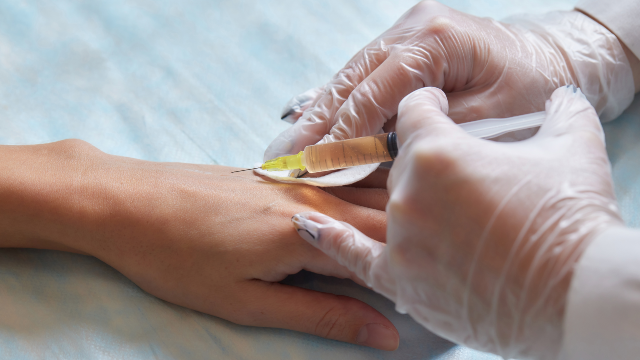
Stem Cell Therapy is not a one-size-fits-all solution. It is a highly targeted medical tool used to address specific health and aesthetic concerns. Understanding which category you fall into is the first step toward a successful outcome.
The Aesthetic Patient
If you are looking for skin rejuvenation, hair restoration or what is often called a cellular facelift you are an aesthetic candidate. Unlike traditional fillers that just add volume, stem cells work to improve the actual quality of the skin. They stimulate collagen production and improve elasticity at a cellular level. For hair loss, stem cells can wake up dormant follicles, leading to natural hair thickening without the need for invasive transplants.
The Orthopedic Patient
Chronic pain can be debilitating. Those suffering from osteoarthritis, sports injuries or persistent joint inflammation are often ideal candidates for Stem Cell Therapy. Instead of undergoing risky joint replacement surgery, many patients use stem cell injections to repair worn-down cartilage and reduce the friction that causes pain.
The Longevity & Wellness Patient
Longevity is about more than just living longer it is about feeling younger as you age. Wellness patients often use full-body bio-hacking via IV infusions. These infusions aim to reduce systemic inflammation the silent killer linked to most age-related diseases. Patients often report increased energy, better cognitive clarity, and improved sleep following treatment.
Exclusions & Prerequisites
While Stem Cell Therapy is remarkably safe, it is not for everyone. Safety begins with a stable health baseline.
Active Cancers: Patients with active malignancies are generally excluded, as stem cells promote growth.
Blood Disorders: Certain conditions that affect blood clotting or cell health may require a delay in treatment.
Expectations: Ideal candidates are those who understand that regeneration takes time. It is a biological process, not an overnight fix.
Why South Korea is 30% Cheaper (and Better) Than Japan
Many patients ask, "If the quality is so high, why is the price so much lower than in Japan?" The answer lies in the unique structure of the Korean medical market.
Economy of Scale
Seoul’s Gangnam District has the world’s highest density of regenerative clinics. In this Beauty Belt hundreds of world-class facilities compete for patients. This intense competition naturally drives prices down while pushing technological limits up. When a clinic performs thousands of Stem Cell Therapy procedures a month, they can afford to offer better pricing than a boutique clinic in Tokyo that only sees a handful of patients.
Domestic Innovation
Japan often relies on importing expensive lab components and kits from Europe or the USA. In contrast, South Korea manufactures its own FDA-approved stem cell processing kits (such as the NovaStem and THE PLUS systems). By producing the technology locally, Korean clinics eliminate the high markup of imported medical devices, passing those savings directly to the patient.
The Speed of Science
Korea’s progressive Regenerative Medicine Law provides a clear, safe and efficient framework for clinical use. This allows Korean doctors to access and implement new therapies much faster than the more conservative regulatory environment in Japan. In Korea, you are often receiving the medicine of tomorrow today.
Holistic Value
Medical travel is about more than just the procedure. The cost of living in Tokyo is famously high. In Seoul, patients enjoy lower costs for luxury accommodations, world-class dining, and VIP airport transfers. When you add it all up, South Korea is the cheapest and best destination for high-end medical care.
Comparing the Costs: The Price Gap Explained
When evaluating Stem Cell Therapy, transparency is key. Korean clinics are known for providing all-inclusive medical tourism packages that cover everything from the initial diagnostic to the post-treatment follow-up.
The following table highlights the significant price gap between South Korea, Japan and Western nations.
Average Stem Cell Therapy Cost Comparison (USD)
| Treatment Type | South Korea (Seoul) | Japan (Tokyo) | USA / Europe |
| Stem Cell IV (Anti-Aging) | $5,000 – $8,000 | $8,000 – $12,000 | $15,000 – $25,000 |
| Knee/Joint Injection | $4,000 – $7,000 | $6,000 – $10,000 | $10,000 – $18,000 |
| Stem Cell Scalp Therapy | $2,500 – $5,000 | $4,500 – $7,000 | $7,000 – $12,000 |
| Facial Rejuvenation | $3,500 – $6,000 | $5,500 – $8,500 | $10,000 – $15,000 |
| 3D-CT & MRI Diagnostics | Included / Free | $500 – $1,200 | $1,200 – $3,000 |
The Procedure: What Happens Inside a Korean Lab?
Patients are often surprised by how streamlined the Stem Cell Therapy process is in Korea. Most treatments are out-patient lunchtime procedures that require no overnight stay.
Step 1: The Harvest
The first step is collecting your cells. This is usually done through Adipose-derived (fat) or Bone Marrow-derived methods. Korean clinics specialize in Micro-Incision techniques. A tiny, painless extraction is performed under local anesthesia, ensuring zero downtime and no visible scarring.
Step 2: High-Concentration Processing
Once harvested, the tissue is sent to a high-tech on-site lab. Korean labs are famous for achieving a higher Buffy Coat count. This is the layer of a blood or tissue sample that contains the highest concentration of white blood cells and stem cells. By using advanced centrifugation, Korean clinics ensure you get millions of viable, healthy cells in every session.
Step 3: Precision Delivery
Regeneration only happens if the cells reach the target. Korean doctors use 3D-CT or high-definition Ultrasound guidance for every injection. This ensures the stem cells are delivered exactly into the damaged area of a joint or the specific layer of skin, rather than just near it.
Step 4: The Recovery
Because the techniques are so refined, recovery is almost immediate. Most patients can return to light activity or even go shopping in Myeongdong the very same afternoon. You aren't recovering in a hospital bed; you are healing while enjoying your trip.
Content Gap: The Exosome Secret
While most of the world is just starting to talk about Stem Cell Therapy, top Korean clinics have already moved to the next level Exosomes.
Exosomes are tiny signaling particles released by stem cells. Think of stem cells as the workers and exosomes as the smartphones they use to communicate. Exosomes tell surrounding cells to stop inflaming and start repairing.
By combining stem cells with an Exosome booster Korean clinics can amplify results by up to 10 times. This combination significantly speeds up tissue regeneration and helps to reduce any minor swelling that might occur after an injection. It is this dual-action therapy that truly sets Korean regenerative medicine apart.
Risks, Safety and the Safety Shield Protocol
No medical procedure is entirely without risk, but Stem Cell Therapy using your own cells autologous is exceptionally safe because there is no risk of allergic reaction or rejection.
Understanding Risks
The most common side effects are very mild:
Temporary Swelling: Especially in joint or facial injections.
Mild Soreness: At the site where cells were harvested or injected.
Fatigue: Some patients feel a bit tired for 24 hours after an IV infusion as the body begins the repair process.
The Korean Safety Shield
To eliminate major risks, reputable Seoul clinics follow the Safety Shield protocol:
GMP-Certified Labs: All cell processing is done in Good Manufacturing Practice labs. These are ultra-sterile environments that meet international standards.
MFDS Oversight: The Ministry of Food and Drug Safety (Korea’s version of the FDA) tracks every vial. This ensures that the cells you receive are yours and are of the highest quality.
Sterility Assurance: Individualized, one-time-use sterilization kits are used for every patient to prevent any possibility of cross-contamination.
The Healing Journey: When Will I See Results?

Regeneration is a biological process, not a mechanical one. Your body needs time to build new tissue and calm old inflammation.
Week 1: The "Reset"
During the first week, patients often experience a reduction in systemic inflammation. Aesthetic patients may notice the glow a brightening of the skin as blood flow improves. Chronic pain patients may feel a slight tightness in the joints as the cells begin to work.
Month 1: The Building Phase
By the end of the first month, the repair is well underway. You may notice improved joint mobility or a slight thickening of hair in treated areas. The heavy feeling of inflammation begins to lift.
Month 3–6: Peak Regeneration
This is when the magic happens. Stem cells have differentiated into new tissue. This is typically when patients experience the maximum reduction in pain or the most significant aesthetic improvement.
Longevity
How long do the results last? Typically, the benefits of a session last between 12 to 24 months. This depends on your lifestyle, diet and activity levels. Many patients choose to have a maintenance infusion once a year to keep their cellular health at its peak.
Frequently Asked Questions
1.Does Insurance Cover Stem Cell Therapy?
Currently, Stem Cell Therapy is considered a premium elective service and is generally not covered by standard health insurance. However, the 30% savings in Korea often makes the total cost comparable to the out-of-pocket deductibles patients face in the West.
2.Is The Procedure Painful?
No. Clinics use local numbing agents and, in some cases, light sedation. Most patients describe the sensation as a slight pressure rather than pain.
3.Can I Go Back To Work The Next Day?
Yes. For the vast majority of IV wellness treatments and joint injections, you can return to light work and daily activities the very next day.
4.How Many Sessions Will I Need?
While some patients see great results in a single session, most Korean specialists recommend a package of three sessions over a year for maximum tissue repair and longevity.
5.Why Is It So Much Cheaper In Korea?
It boils down to the high volume of patients, domestic manufacturing of lab equipment and a highly competitive medical landscape in Seoul. You aren't paying for cheap care you are paying for efficient care.
Conclusion
Choosing the right medical treatment is a big decision. For years, patients believed that the highest prices equaled the best care. Today, we know that isn't true. Paying Japan's premium prices for the same or even older technology is a thing of the past.
South Korea has proven that it is possible to provide world-class Stem Cell Therapy that is 30% cheaper, technologically superior and significantly more accessible. By choosing Seoul, you aren't just saving money you are choosing the Smart Choice for your long-term health. Book Your 3D Diagnostic Consultation Now.