Personalized dermatology care in Gangnam, Seoul
en-US

Managing Acne Vulgaris in Adolescents
Discover effective strategies for managing acne vulgaris in adolescents. Explore treatments, tips, and expert advice to achieve clearer skin today.
Introduction
A dermatologist-led, science-based guide for teenagers and parents
To be honest, acne vulgaris is rarely just a “skin problem” for adolescents.
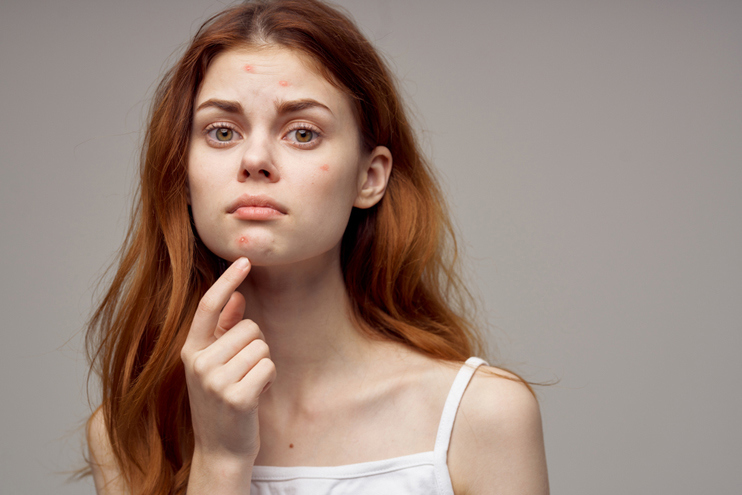
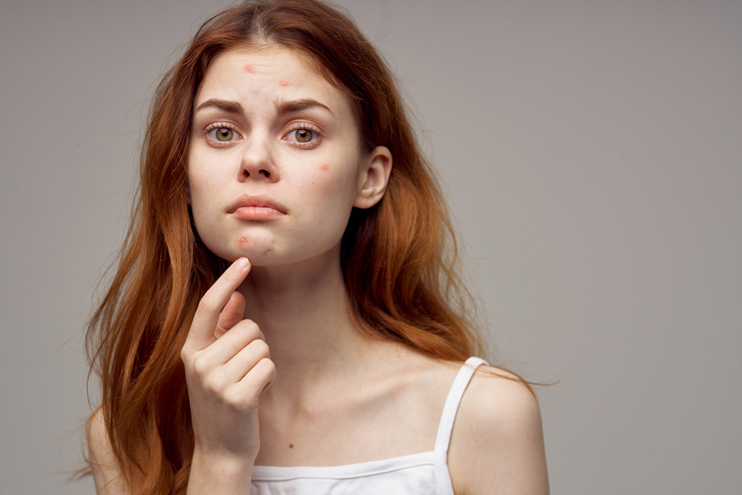
In clinical practice, we see this every day. Teenagers often come into the consultation room avoiding eye contact, pulling their sleeves over their hands, or tilting their faces slightly away from the light. Even when acne appears mild by medical standards, its emotional weight can be heavy.
Parents frequently say, “Everyone gets acne at this age, so it will pass, right?”
While acne vulgaris is indeed common during adolescence, the way it is managed during these formative years can significantly influence long-term skin health. Proper care can mean acne resolves without a trace. Delayed or improper care, on the other hand, can lead to scarring, pigmentation, and years of frustration that extend well into adulthood.
This article is written from a dermatologist’s perspective, based on real-world experience treating adolescent patients in Korea and abroad. We’ll explore what acne vulgaris truly is, why teenage skin behaves differently, and how acne can be managed safely, effectively, and compassionately during adolescence — without overreacting, undertreating, or chasing short-lived trends.
What Is Acne Vulgaris, Really?
Acne vulgaris is a chronic inflammatory disorder of the pilosebaceous unit, which consists of a hair follicle and its associated sebaceous (oil) gland.
Four interrelated processes occur at the same time:
Increased sebum production stimulated by hormones
Abnormal keratinization, where dead skin cells accumulate and clog pores
Overgrowth of Cutibacterium acnes, a bacteria naturally present on the skin
Inflammation, which leads to redness, swelling, and pain
When these processes overlap, they result in:
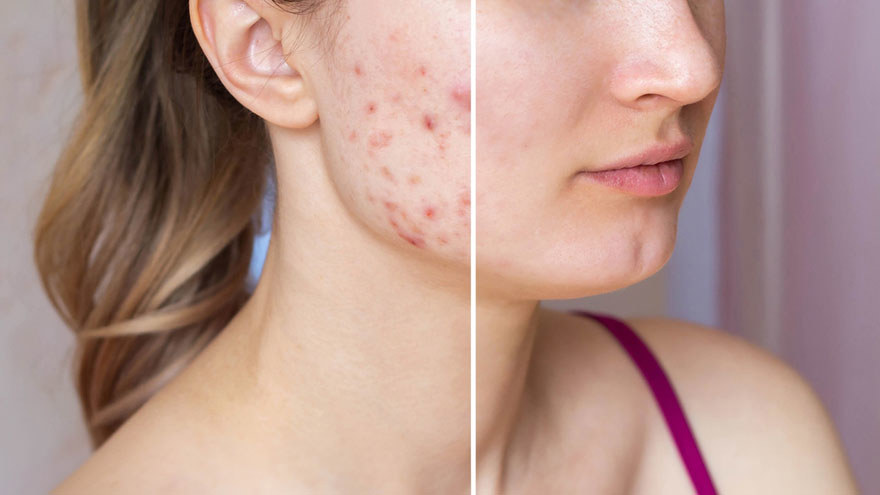
Whiteheads and blackheads (comedones)
Red, inflamed bumps (papules)
Pus-filled lesions (pustules)
Deep, painful nodules or cysts in more severe forms
One of the most important educational points for both parents and teenagers is this:
Acne is not caused by poor hygiene, laziness, or being “dirty.”
In adolescents, acne is largely driven by hormonal changes, genetic predisposition, and individual skin sensitivity. Understanding this helps remove unnecessary guilt and shifts the focus toward appropriate medical management.
Why Adolescents Are Especially Prone to Acne
1. Hormonal Changes During Puberty
Puberty triggers a surge in androgens, which stimulate sebaceous glands to grow larger and produce more oil. Excess sebum mixes with dead skin cells inside pores, creating an ideal environment for blockage and inflammation.
In boys, acne often presents as oilier skin with larger, more inflamed lesions, particularly on the face, chest, and back.
In girls, acne may fluctuate with menstrual cycles and commonly affects the jawline, chin, and cheeks. Without proper care, acne in adolescent girls may persist into adulthood.
2. An Immature and Reactive Skin Barrier
Adolescent skin is resilient but highly reactive. This means it can heal quickly, but it also responds strongly to irritation.
Harsh cleansers, excessive exfoliation, alcohol-based toners, and frequent product switching can disrupt the skin barrier. When the barrier is compromised, the skin produces even more oil to compensate, creating a cycle of irritation and breakouts.
3. Inconsistent or Delayed Treatment
Many teenagers:
Follow skincare trends on social media without understanding suitability
Use multiple active ingredients simultaneously
Stop treatment as soon as acne appears to improve
This inconsistency allows underlying inflammation to persist. Acne may seem “better” on the surface while deeper lesions continue to form, increasing the likelihood of scars and pigmentation later on.
Common Types of Acne in Adolescents
Not all acne is the same, and effective treatment depends on identifying the correct type.
Comedonal Acne
Characterized by whiteheads and blackheads
Often worsened by comedogenic makeup, sunscreen, or hair products
Responds well to topical retinoids and proper cleansing
Inflammatory Acne
Includes red, swollen papules and pustules
Carries a higher risk of scarring and post-inflammatory pigmentation
Requires early anti-inflammatory and antibacterial treatment
Nodulocystic Acne
Deep, painful nodules or cysts beneath the skin
Often leaves permanent scars if untreated
Should not be managed with over-the-counter products alone
Waiting for nodulocystic acne to “grow out of it” is one of the most common reasons adults later struggle with severe acne scars.
The Psychological Impact of Teenage Acne
Acne vulgaris affects far more than the skin. Adolescence is a critical period for identity formation, social development, and self-esteem.
In clinical practice, we commonly see:
Avoidance of social events or sports
Anxiety around school presentations or photos
Excessive makeup use to hide acne
Withdrawal from peer interactions
In Korean beauty culture, where clear, even-toned skin is closely tied to confidence and self-care, acne can feel especially isolating. Teenagers may internalize acne as a personal failure rather than a medical condition.
This is why acne management during adolescence should always be approached with empathy.
Treating acne early is not cosmetic indulgence — it is preventive care for mental and emotional well-being.
Evidence-Based Acne Management for Adolescents
1. Gentle, Consistent Skincare
A strong foundation begins with simplicity. An effective acne-friendly routine includes:
A low-pH, gentle cleanser used twice daily
A lightweight, non-comedogenic moisturizer to protect the skin barrier
Broad-spectrum sunscreen during daytime
Skipping moisturizer or sunscreen often worsens acne over time by increasing irritation and pigmentation.
2. Topical Medications: The Cornerstone of Treatment
Dermatologist-prescribed topical therapies may include:
Retinoids to normalize cell turnover and prevent clogged pores
Benzoyl peroxide to reduce acne-causing bacteria
Combination topical antibiotics for short-term inflammation control
Success depends on proper usage and patience. Retinoids, for example, often cause temporary dryness or purging during the first few weeks. With proper guidance, this phase can be managed safely without stopping treatment prematurely.
3. Oral Medications (When Indicated)
For moderate to severe acne:
Oral antibiotics may be prescribed for limited periods
Hormonal evaluation may be considered in adolescent girls with irregular cycles
Isotretinoin may be recommended for severe, scarring acne under strict medical supervision
Oral treatments are not a failure of skincare — they are tools used when necessary to protect long-term skin health.
In-Clinic Treatments for Adolescent Acne
When home care and medication are not enough, dermatologist-led clinics may offer supportive in-clinic treatments, such as:
Safe professional comedone extraction
Anti-inflammatory laser or light-based therapies
Skin-calming and barrier-repair treatments
These procedures aim to reduce active inflammation while supporting the skin’s natural healing process, not to chase unrealistic overnight results.
Acne Scars and Pigmentation: Why Early Care Matters
One of the most common regrets expressed by adult patients is:
“I wish I had taken my acne seriously earlier.”
Acne scars and post-inflammatory hyperpigmentation are far more difficult, time-consuming, and costly to treat than acne itself.
Early and consistent acne management during adolescence:
Reduces the risk of permanent scarring
Minimizes long-lasting pigmentation
Preserves smooth skin texture and elasticity
Think of acne treatment as reinforcing a structure while it’s still being built. Prevention is always more effective than repair.
Practical Guidance for Parents
Parents play a crucial role in successful acne management:
Avoid blaming, teasing, or minimizing acne concerns
Discourage picking, squeezing, or at-home extraction tools
Support treatment consistency, even when progress is slow
Seek professional care when acne becomes persistent or emotionally distressing
Acne is not a discipline issue or a phase to ignore. It is a treatable medical condition.
When to Consult a Dermatologist
Professional evaluation is recommended when:
Acne persists after 3–4 months of proper home care
Lesions are painful, deep, or rapidly spreading
Scars or dark marks begin to appear
Acne negatively impacts self-esteem or daily activities
Early dermatologist involvement allows for personalized, age-appropriate treatment that prioritizes both safety and long-term results.
A Final Thought from the Clinic
Managing acne vulgaris in adolescents is not about achieving flawless skin overnight.
It is about guiding young skin through a hormonally active, emotionally sensitive period with science, patience, and understanding.
With early, consistent, and dermatologist-guided care, most adolescents can move through this phase without lasting damage — physically or emotionally.
If you or your teenager are struggling with persistent acne, seeking professional guidance early can truly change the future of the skin. The goal is not perfection, but confidence, comfort, and healthy skin for years to come.