Personalized dermatology care in Gangnam, Seoul
en-US

Managing Hormonal Acne in Adult Women
Discover effective tips for managing hormonal acne in adult women. Learn causes, treatments, and skincare routines to regain clear, healthy skin.
Introduction
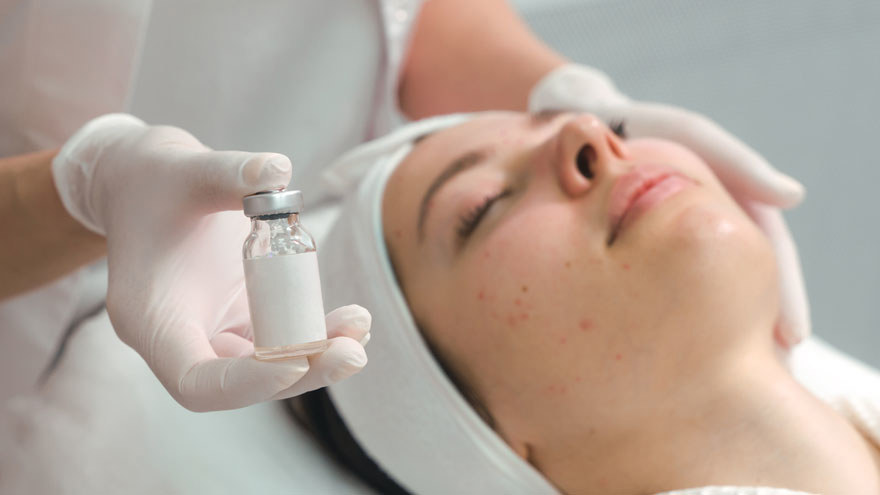
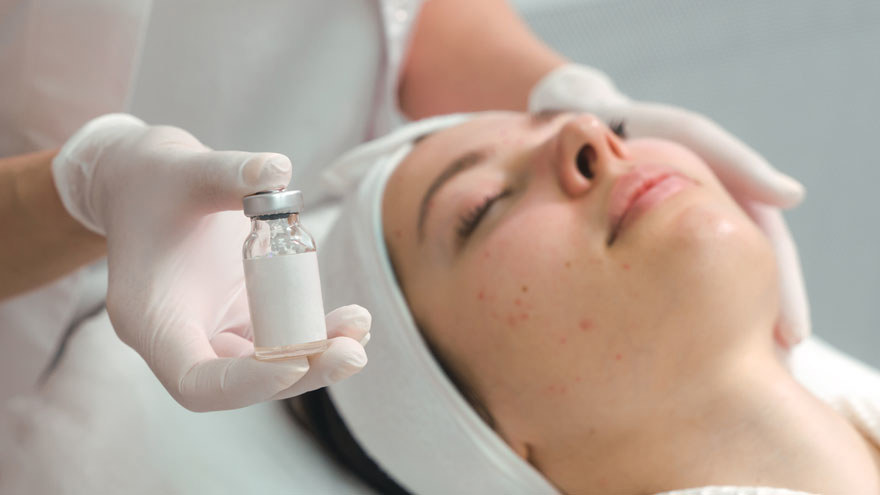
Some of our patients walk into our clinic in Seocho-gu with a familiar look of frustration — they’ve tried the cleansers, the salicylic toners, the “non-comedogenic” makeup. They’ve even cut dairy, sugar, gluten, or whatever their favorite beauty influencer insisted would “fix everything.” Yet the same deep, painful breakouts keep appearing along the chin, jawline, and lower cheeks.
If this sounds like you, you’re in good company.
More adult women in Korea and worldwide are struggling with hormonal acne than ever before — even women who never had acne in their teens. And to be honest, what many patients in Gangnam overlook is that hormonal acne isn’t a simple “skin problem.” It is a skin response to internal shifts, and it behaves very differently from typical adolescent acne.
At Delight Dermatology Clinic, we approach hormonal acne as both a medical condition and a quality-of-life issue — something that affects confidence, social comfort, and long-term skin health. Here is how we help our patients understand and manage it.
What Exactly Is Hormonal Acne in Adult Women?
Hormonal acne happens when fluctuating or imbalanced hormones — especially androgens like testosterone — increase sebum production, disrupt the skin barrier, and trigger inflammation. Unlike teenage acne, which spreads across the forehead and nose, adult hormonal acne typically shows up as:
Deep, cystic bumps along the jawline and chin
Breakouts that worsen right before menstruation
Pimples that linger for weeks and leave pigmentation behind
Skin that feels oily and dry at the same time
Small “under-the-skin” bumps that never fully surface
We often describe it to patients as “volcano-style acne” — pressure building deep under the skin, even when the surface looks relatively calm.
Why It’s Becoming More Common
Modern lifestyles in Seoul — irregular meals, late-night work schedules, chronic stress, hormonal supplements, and even long-term mask wearing — all interact with endocrine function. Add to that the Korean cultural pressure for flawless, “glass skin,” and many women unintentionally over-treat their skin, damaging the barrier and worsening inflammation.
Why Many Women Struggle for Years Before Getting the Right Treatment
One thing we see often:
Patients assume hormonal acne will go away with “better skincare.”
Unfortunately, it rarely does.
Reason 1 — The Skin Barrier Is Overworked
Over-exfoliation with AHA/BHA toners, retinoids used too frequently, or at-home laser devices can cause micro-irritation. In a skin barrier constantly under stress, pores become more reactive to hormonal shifts.
Reason 2 — Spot Treatments Ignore the Root Cause
Benzoyl peroxide or a drying patch helps a single pimple, but hormonal acne is deeper, chronically recurring, and rarely fixed at the surface level.
Reason 3 — Hormones Don’t Follow Skincare Rules
Even if your routine is perfect, hormonal surges every month can reignite inflammation unless treatment is targeted to internal triggers.
Reason 4 — Delayed Hyperpigmentation in Asian Skin
Korean and Southeast Asian skin types commonly develop post-inflammatory hyperpigmentation (PIH) — the dark marks left after acne. So even when the breakout heals, patients feel like the acne “never really goes away.”
At our clinic, we approach hormonal acne as a cycle, not an isolated event. Breaking the cycle is the goal.
How We Diagnose Hormonal Acne at Delight Dermatology Clinic
Every patient’s skin tells a story — but hormonal acne requires listening to what the body is telling us too.
1. Pattern Recognition
The best Dermatologists are trained to identify hormone-linked acne by where it appears, how deep it feels, and when it worsens.
2. Lifestyle & Cycle Mapping
We ask about menstrual timing, stress, sleep, dietary triggers, supplements, and even workout habits (yes, heavy sweating and mask rubbing after pilates matters).
3. Skin Barrier Evaluation
We check for signs of:
Subclinical inflammation
Micro-scarring
Dehydration
Overuse of irritants (very common in Gangnam patients who chase “peeling” trends)
4. Medical History
Conditions like PCOS, thyroid imbalance, or coming off hormonal contraception can dramatically change the skin’s behavior.
This comprehensive evaluation is why many patients say, “Finally, someone connected all the dots.”
Treatment Options That Truly Work for Hormonal Acne
No two patients have the same triggers — so treatment must be personalized, not protocol-based. Here’s how we approach care at Delight Dermatology Clinic.
1. Medical-Grade Topicals (Retinoids, Antibiotic Gels, Azelaic Acid)
For hormonal acne, we often use a combination approach:
Retinoids to normalize cell turnover and unclog pores
Azelaic acid to reduce redness and pigmentation
Benzoyl peroxide or clindamycin for inflammatory flare-ups
Barrier-repair moisturizers to stabilize the skin
Patients are often surprised when we adjust products downward rather than “strengthen everything.”
To be honest, in adult women, gentler but consistent routines outperform harsh, aggressive ones.
2. Oral Medications for Deeper Hormonal Influence

For persistent or cystic hormonal acne:
— Spironolactone (a game-changer for many women)
It blocks androgen receptors in the oil glands, dramatically reducing hormonal flare-ups. Many adult women see improvement within 6–12 weeks.
— Low-dose oral retinoids
Used when scarring risk is high or inflammation is recurring. We monitor carefully to avoid over-drying.
— Antibiotics (short-term only)
Reserved for acute inflammatory phases.
— Hormonal regulation (when medically appropriate)
For patients with PCOS or menstrual irregularities, we coordinate with gynecologists for integrated care.
3. In-Clinic Treatments for Stubborn Breakouts & Scarring
This is where advanced dermatology makes a major difference.
Potenza RF Microneedling
Potenza is one of our most-requested treatments because it:
Reduces active acne inflammation
Shrinks oil glands
Stimulates collagen to prevent long-term scarring
Smooths texture irregularities
We customize needle depth based on cycle timing — an insight many clinics overlook.
Laser Treatments for Redness & Pigmentation
For PIH and lingering red marks:
LaseMD Ultra
Pico-toning
Vbeam Perfecta
Each treatment targets a different type of pigmentation or redness, which is why correct diagnosis matters.
Sebum-Control Procedures
For patients with chronic oiliness:
Sebaceous gland laser
Cooling or antibacterial treatments
These reduce inflammatory frequency over time.
4. Long-Term Skin Programs (The Real Secret to Stability)
What many patients don’t realize is that hormonal acne requires ongoing management, not a one-time cure.
At Delight Dermatology Clinic, women often enroll in a 3–6 month program that blends:
Monthly doctor consultations
Customized laser or RF treatments
Adjusted topical regimens
Stress and cycle tracking
Pigmentation correction as inflammation decreases
It’s similar to rebuilding the scaffolding beneath the skin — slow, stable, structural change instead of quick fixes.
Lifestyle Adjustments That Actually Make a Difference
We avoid giving trendy or extreme lifestyle advice because hormonal acne is rarely solved by diet alone. But these support internal balance:
1. Anti-inflammatory diet (not elimination diets)
More vegetables, omega-3s, and fermented foods; fewer highly processed sweets. Simple but impactful.
2. Moderate-intensity exercise
High-intensity workouts increase cortisol, which can worsen flares for some women.
3. Sleep consistency
Even a 1-hour shift in sleep schedule can disrupt hormone signaling.
4. Smart skincare
We guide patients to:
Avoid over-peeling
Choose light, non-comedogenic bases
Protect the barrier before using active ingredients
And yes — for many adult women, switching to gentle cleansing reduces breakout frequency more than adding new actives.
Realistic Expectations: How Long Until Results Show?
Hormonal acne takes patience.
Most patients see:
Reduced painful breakouts within 4–6 weeks
Fewer cystic lesions by 8–12 weeks
Stable skin with less pigmentation by 3–6 months
Scar improvement over 6–12 months with Potenza or lasers
The most rewarding moment — both for us and our patients — is when they stop predicting breakouts around their menstrual cycle because the pattern has finally broken.
When Should You See a Dermatologist?
If your acne is:
Deep, painful, or cystic
Concentrated around the chin/jawline
Leaving dark marks or early scarring
Not improving with over-the-counter products
Linked to stress or menstrual changes
…it’s time for professional care.
The earlier we intervene, the more skin we can preserve.
A Dermatologist’s Final Thoughts
Hormonal acne in adult women is not a failure of your skincare routine or your lifestyle. It is a medical condition influenced by real biological rhythms, and treating it requires expertise, precision, and ongoing support.
At Delight Dermatology Clinic, our goal is not only to clear the current flare-ups but to help patients build a long-term, stable relationship with their skin — one rooted in confidence, not anxiety.
If you’ve been struggling with recurring hormonal acne or pigmentation from past breakouts, consider visiting a dermatologist-led clinic that provides individualized treatment, advanced devices, and careful follow-up.
Your skin can absolutely return to clarity — with the right guidance, at the right pace, and with a plan built uniquely for you.