Personalized dermatology care in Gangnam, Seoul
en-US

Managing Skin Conditions during Pregnancy
Discover safe tips for managing skin conditions during pregnancy. Learn how to treat acne, eczema, and more—while protecting your baby’s health.
Introduction
A dermatologist’s guide to caring for your skin—safely, realistically, and confidently
To be honest, many women are prepared for morning sickness and fatigue during pregnancy—but far fewer expect how dramatically their skin can change.
At Delight Dermatology Clinic in Gangnam, we often meet pregnant patients who arrive with a mix of emotions: excitement, anxiety, and confusion. Some are struggling with sudden acne in their 30s or 40s after years of clear skin. Others are distressed by dark patches appearing across the cheeks just weeks into pregnancy. And quite a few ask the same quiet question during consultation:
“Is it normal that my skin doesn’t feel like my skin anymore?”
The short answer is yes.
The longer—and more important—answer is that most pregnancy-related skin conditions are manageable, temporary, and treatable, provided they are approached with medical understanding and restraint.
This guide is written from a dermatologist’s perspective, grounded in real clinical experience with pregnant patients in Korea and international visitors seeking safe, evidence-based care. Whether you are newly pregnant or nearing delivery, the goal is simple: help you protect both your baby’s safety and your long-term skin health.
Why Skin Changes So Much During Pregnancy
Pregnancy skin changes are not cosmetic coincidences. They are driven by a powerful internal shift—one that affects hormones, immunity, circulation, and even how your skin responds to light.
The Three Main Drivers
1. Hormonal surges
Estrogen, progesterone, and melanocyte-stimulating hormone (MSH) rise significantly. These hormones:
Increase oil production → acne
Stimulate pigment cells → melasma
Alter vascular response → redness, spider veins
2. Immune system modulation
To protect the fetus, the immune system becomes less reactive in certain ways and more sensitive in others. This can worsen:
Eczema
Atopic dermatitis
Autoimmune-related rashes
3. Increased blood volume and skin stretching
Blood flow increases by up to 50%, and skin stretches rapidly—especially on the abdomen and breasts—leading to:
Itching
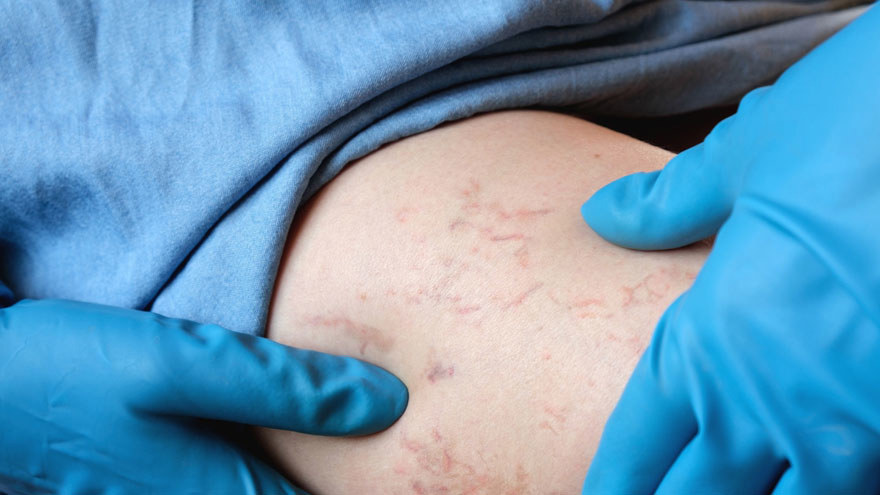
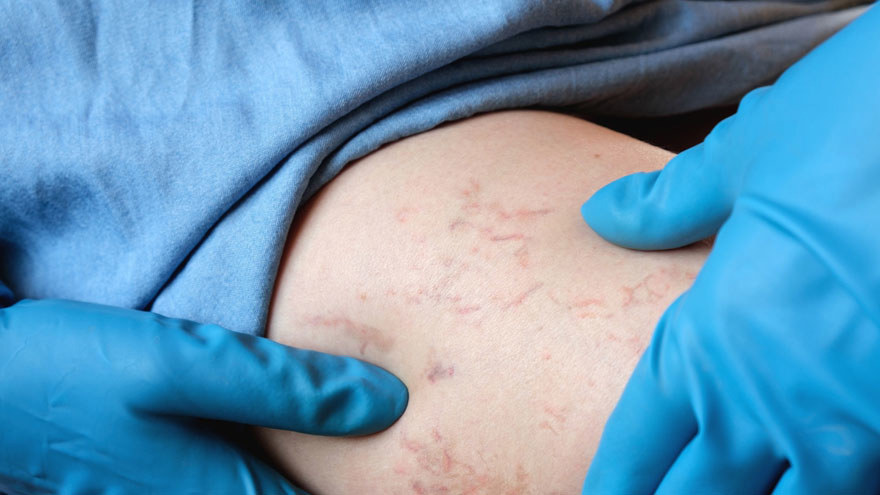
Stretch marks
Increased sensitivity
What many patients overlook is that pregnancy skin is not “weak” skin. It is highly reactive skin. Managing it well requires a gentler, more strategic approach—not aggressive treatments.
Common Skin Conditions During Pregnancy (And What to Do)
1. Pregnancy Acne: When Hormones Rewrite Your Skin History
Even women who never had acne before may develop it during pregnancy—especially in the first and second trimesters.
Why it happens
Progesterone increases sebum (oil) production
Pores clog more easily
Inflammation thresholds are lower
What NOT to use
Many standard acne treatments are not pregnancy-safe, including:
Isotretinoin (oral or topical)
Tazarotene and other retinoids
High-dose salicylic acid
Certain oral antibiotics
Pregnancy-safe acne strategies
At Delight Dermatology Clinic, we focus on:
Gentle, low-pH cleansers
Azelaic acid (clinically safe and effective)
Sulfur-based spot treatments (when appropriate)
Light moisturizers to prevent barrier damage
An important insight from clinical practice:
Over-cleansing often makes pregnancy acne worse, not better.
Healthy skin barrier first—then acne control.
2. Melasma (“Pregnancy Mask”): The Most Distressing Change for Many Patients
Melasma appears as brown or gray-brown patches, typically on the cheeks, forehead, and upper lip. In Korea, where even-toned “glass skin” is deeply valued, this can cause significant emotional stress.
Why pregnancy melasma is tricky
Hormones activate pigment cells deeply
UV exposure—even indirect sunlight—worsens it
Many effective pigment treatments are restricted during pregnancy
Safe management during pregnancy
Strict sun protection (this is non-negotiable)
Broad-spectrum SPF
Physical blockers (zinc oxide, titanium dioxide)
Hats and parasols
Gentle antioxidants (vitamin C derivatives deemed pregnancy-safe)
Avoid heat exposure (hot yoga, saunas)
What we often tell patients honestly:
Pregnancy is not the time to “erase” melasma—it’s the time to prevent it from deepening.
The good news? With proper post-pregnancy care, melasma can be significantly improved.
3. Stretch Marks: Prevention Over Promise
Stretch marks (striae gravidarum) form when skin stretches faster than collagen can adapt. Genetics play a large role, but skin care still matters.
What helps
Consistent moisturizing (ceramides, hyaluronic acid)
Gentle massage to improve circulation
Gradual, healthy weight gain
What doesn’t
Miracle creams claiming to “remove” stretch marks during pregnancy
Aggressive treatments (lasers, microneedling) during pregnancy
Think of collagen like scaffolding under the skin. During pregnancy, the goal is to support the structure, not rebuild it aggressively.
4. Itching, Rashes, and Pregnancy Dermatitis
Mild itching is common. Severe itching is not—and should always be evaluated.
Common benign conditions
Dry skin–related itching
Atopic eruptions
PUPPP (polymorphic eruption of pregnancy)
Red flags that require medical attention
Intense itching without rash
Sudden widespread redness
Blistering lesions
Dermatologic evaluation is essential, as some rare conditions can be linked to liver function or pregnancy complications.
Skincare Ingredients: What’s Safe and What’s Not?
This is where many pregnant patients feel overwhelmed—and understandably so.
Generally Considered Safe (when used appropriately)
Azelaic acid
Niacinamide
Hyaluronic acid
Ceramides
Zinc oxide / titanium dioxide sunscreen
Best Avoided During Pregnancy
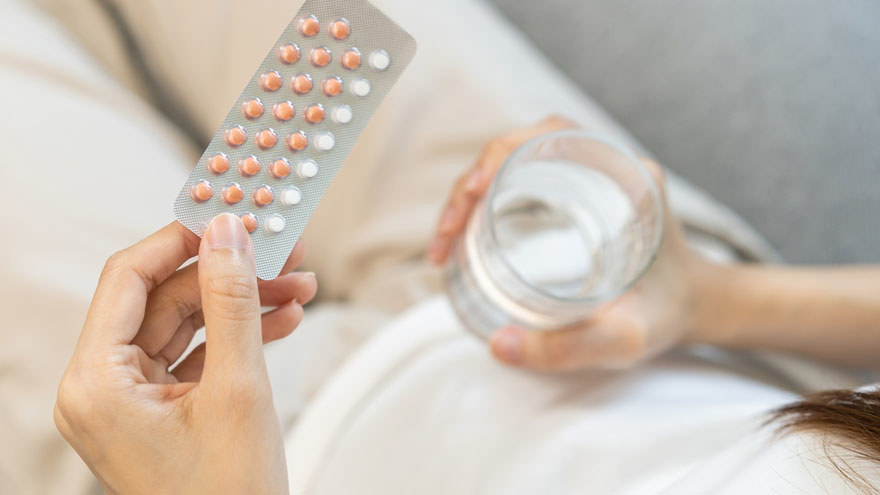
Retinoids (all forms)
Hydroquinone
High-concentration chemical peels
Certain essential oils
Oral acne medications
If you are unsure, bring your skincare products to your dermatologist. In-clinic ingredient review is one of the most valuable (and underutilized) services during pregnancy.
Are Dermatologic Treatments Ever Appropriate During Pregnancy?
Yes—but with caution.
At Delight Dermatology Clinic, we follow a “minimum effective intervention” philosophy for pregnant patients.
What may be considered
Medical consultations and monitoring
Barrier-repair treatments
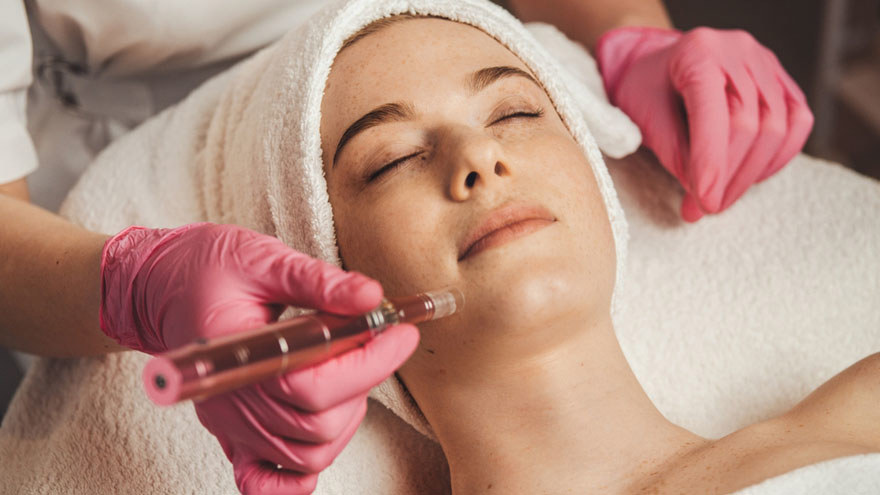
Very limited, pregnancy-safe facials
Laser or energy-based devices are generally postponed unless medically necessary
What many patients appreciate is honesty:
If a treatment is better postponed until after delivery, we will tell you—clearly and without pressure.
Emotional Well-Being Matters More Than Perfect Skin
In Gangnam, many women feel pressure to “bounce back” immediately—even during pregnancy. Social media does not help.
But here’s a perspective we share gently with our patients:
Your skin during pregnancy is not failing.
It is adapting to support life.
Stress hormones themselves can worsen pigmentation, acne, and inflammation. Sometimes the most skin-positive decision is to simplify, protect, and pause.
Post-Pregnancy: The Right Time for Real Correction
The encouraging truth is that many pregnancy-related skin issues improve naturally after delivery and hormonal stabilization.
For those that don’t, post-pregnancy is when dermatology truly shines:
Pigmentation correction
Acne scar management
Skin tightening and rejuvenation
Collagen restoration with devices like Thermage, Ulthera, or Potenza
This is where long-term skin planning—rather than short-term fixes—makes all the difference.
A Dermatologist’s Final Thought
Managing skin conditions during pregnancy is not about chasing perfection. It’s about protecting your future skin health while respecting the present moment.
If you’ve been struggling with acne, pigmentation, or skin sensitivity during pregnancy—and you’re unsure what’s safe—consider consulting a dermatologist-led clinic that understands both medical safety and aesthetic confidence.
At Delight Dermatology Clinic in Gangnam, we believe pregnancy skin care should feel reassuring, not restrictive. Thoughtful guidance now lays the foundation for healthy, radiant skin long after delivery.
If you’re wondering whether your current routine is helping or harming—or simply want a calm, professional opinion—you’re not alone. And you don’t have to navigate it alone either.