Personalized dermatology care in Gangnam, Seoul
en-US

Overcoming Redness and Rosacea with Advanced Solutions
Discover effective treatments for redness and rosacea with advanced skincare solutions. Soothe your skin and regain confidence—learn more today!
Introduction
Dermatologist insights from a Gangnam-based clinic
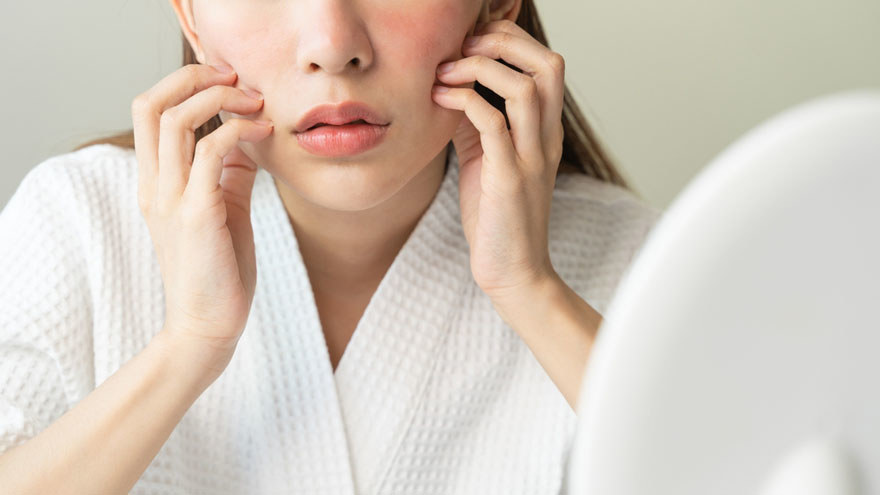
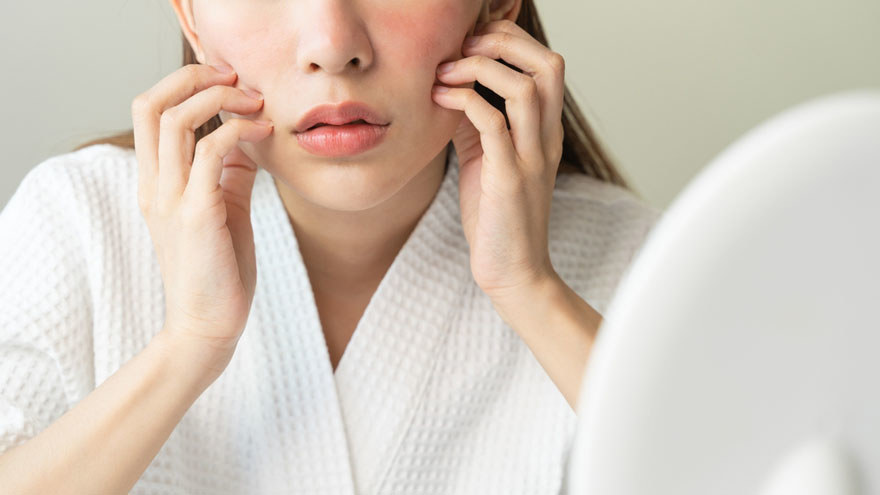
Redness is one of those skin concerns patients often dismiss at first. “It’s just flushing.” “My skin is naturally sensitive.” But over time, persistent facial redness can quietly take control — influencing makeup habits, social confidence, and even how comfortable you feel under bright lights or in photos.
At Delight Dermatology Clinic in Seocho-gu, Gangnam, redness and rosacea are never treated as minor cosmetic issues. From a dermatologist’s perspective, they are chronic inflammatory skin conditions that reflect deeper instability in the skin’s vascular and immune systems.
To be honest, many patients who visit us have already tried everything — calming creams, green color correctors, herbal remedies, prescription ointments, even at-home laser devices. What they’re missing isn’t effort or commitment. It’s strategy — a medically grounded, long-term approach that addresses why redness keeps returning.
This article explains what redness and rosacea truly are, why they persist despite good skincare, and how advanced dermatologic solutions can finally bring stable, lasting improvement.
Facial Redness vs. Rosacea: Understanding the Difference
Although often used interchangeably online, facial redness and rosacea are not the same. Understanding this distinction is essential for choosing the right treatment path.
Facial Redness (Erythema)
Facial redness refers to visible dilation of superficial blood vessels near the skin’s surface. It may appear as:
A constant pink or red tone across the cheeks
Patchy redness on the nose, chin, or central face
Flushing triggered by heat, alcohol, exercise, spicy food, or emotional stress
In early stages, redness is often intermittent. However, repeated flushing episodes can gradually damage vessel elasticity. Over time, this leads to fixed erythema, where blood vessels remain permanently dilated and visible.
Rosacea
Rosacea is a chronic inflammatory skin disease, not simply a cosmetic redness issue. In addition to persistent erythema, rosacea may include:
Frequent flushing episodes
Visible capillaries (telangiectasia)
Acne-like bumps (papules and pustules)
Burning, stinging, or tight sensations
Increased sensitivity to skincare products
What many patients in Gangnam overlook is this critical point:
Rosacea is driven by ongoing inflammation and vascular instability beneath the skin — even when the surface looks relatively calm.
This is why treating rosacea with makeup, soothing masks, or occasional procedures often leads to frustration rather than resolution.
Why Redness and Rosacea Are So Common in Korean and East Asian Skin

In Korea, concerns about facial redness are particularly common — not because the skin is “weaker,” but because of a unique combination of biological and cultural factors.
Clinically, many East Asian patients have:
A thinner epidermis compared to Western skin types
Less natural oil production, leading to dryness and barrier fragility
High visibility of redness due to lighter baseline skin tone
Culturally, there is also:
A strong preference for even, luminous, “clear” skin
Frequent use of exfoliating products and brightening treatments
Regular exposure to temperature extremes (hot baths, saunas, cold winters)
Over time, these factors can compromise the skin barrier and sensitize facial blood vessels. This is especially true for patients in their 30s to 50s, when collagen levels decline and the skin becomes less resilient.
In many cases, redness is not the core problem — it’s a warning signal that the skin’s regulatory systems are under chronic stress.
The Hidden Mechanisms Behind Persistent Redness
From a dermatologist’s point of view, rosacea and chronic redness are the result of multiple overlapping processes. Understanding these mechanisms helps explain why simple solutions rarely work.
1. Vascular Dysregulation
In healthy skin, blood vessels expand and contract smoothly in response to temperature or emotion. In rosacea-prone skin, this control system malfunctions. Vessels dilate too easily and remain dilated for too long, leading to prolonged redness and flushing.
2. Chronic Inflammation
Even when redness appears mild, inflammatory pathways may remain active beneath the surface. These inflammatory signals increase sensitivity, delay healing, and make the skin reactive to otherwise gentle products.
3. Skin Barrier Breakdown
A weakened skin barrier allows irritants, bacteria, and allergens to penetrate more easily. Each exposure triggers further inflammation, creating a vicious cycle of sensitivity and redness.
Many patients find this analogy helpful: treating redness with only skincare is like repainting a wall while ignoring faulty wiring underneath. The wall may look better temporarily, but the underlying problem remains unresolved.
Why Many Redness Treatments Don’t Last
If you’ve experienced improvement followed by relapse, you are far from alone.
In clinical practice, common reasons for treatment failure include:
Overuse of high-energy lasers without sufficient recovery time
Treating visible vessels without controlling inflammation
Post-treatment skincare that irritates already compromised skin
No long-term maintenance plan after initial improvement
At Delight Dermatology Clinic, we often see patients whose redness actually worsened after treatment elsewhere. This is rarely because lasers or devices are inherently harmful. More often, it’s because the treatment was not tailored to the patient’s skin type, rosacea subtype, or barrier condition.
In redness care, more intensity does not equal better results.
Advanced Dermatologic Solutions That Make a Difference
Vascular Laser and IPL Therapy
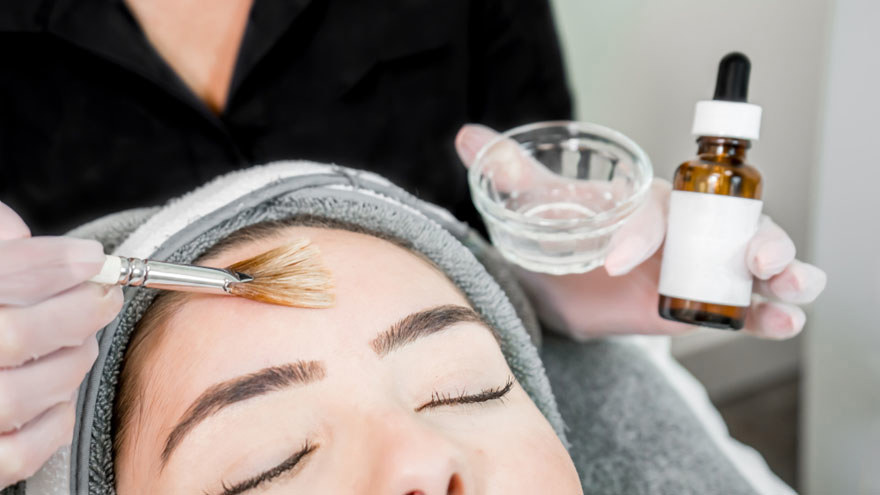
Vascular lasers and IPL (intense pulsed light) target hemoglobin within dilated blood vessels. When used appropriately, these treatments cause abnormal vessels to gradually shrink and fade.
In dermatologist-guided care, key principles include:
Conservative energy settings suitable for Asian skin
Gradual, staged treatment plans rather than single aggressive sessions
Combination therapy with anti-inflammatory support
The goal is not instant whitening, but stable clarity without rebound redness or sensitivity.
Potenza RF Microneedling for Skin Stability
Many rosacea patients are surprised when RF microneedling is recommended. However, when used with proper parameters, it can be one of the most effective supportive treatments.
Potenza RF microneedling helps to:
Strengthen the dermal structure
Improve microvascular stability
Reduce inflammatory reactivity
Stimulate collagen remodeling
Rather than resurfacing the skin, this approach focuses on rebuilding the internal “scaffolding” that supports healthy vessel behavior. For patients with fragile, thinning skin, this structural support is often a turning point in long-term management.
Energy-Based Tightening in Select Cases
In patients who experience both redness and early skin laxity, certain energy-based tightening treatments may provide indirect benefits. By increasing dermal density, these treatments can:
Support blood vessel resilience
Improve overall skin durability
Enhance the longevity of redness treatments
This approach is never a first-line solution for rosacea. However, when carefully selected and combined with inflammation control, it can enhance long-term outcomes.
Medical Topical and Oral Management
Effective rosacea care often requires medical support, especially during active flares. This may include:
Prescription anti-inflammatory topical medications
Short-term oral medications to calm severe inflammation
Customized skincare regimens focused on barrier repair
A principle we emphasize to patients is simple but powerful:
Calm skin ages better.
Reducing chronic inflammation not only improves redness but also slows premature aging.
Why Personalization Is Essential
Rosacea is not a single condition. It exists on a spectrum, with multiple subtypes that behave differently:
Redness-dominant (erythematotelangiectatic)
Acne-like inflammatory types
Mixed or evolving patterns
Treating all rosacea patients the same way is like prescribing the same glasses to everyone with blurred vision — some may improve, but many will not.
At Delight Dermatology Clinic, consultations focus on:
Identifying individual triggers (dietary, environmental, emotional)
Assessing skin barrier health
Reviewing past treatment responses
Designing realistic, long-term maintenance strategies
This level of personalization is especially important for international patients visiting Seoul, where changes in climate, diet, and daily routine can unexpectedly trigger flare-ups.
Daily Habits That Protect Your Results
Even the most advanced treatments require supportive daily habits to maintain results. We often advise patients to focus on consistency rather than intensity.
Helpful habits include:
Gentle cleansing once or twice daily
Avoiding frequent exfoliation or scrubs
Using non-irritating, broad-spectrum sunscreen daily
Limiting exposure to extreme heat or sudden temperature changes
One insight we see repeatedly in clinical practice:
Patients who overdo skincare tend to flare more than those who simplify.
Less stimulation often leads to better long-term stability.
Can Redness and Rosacea Be Cured?
Rosacea is manageable, not curable — but this distinction is important.
While the underlying tendency may remain, modern dermatologic care allows most patients to achieve:
Significant reduction in visible redness
Fewer and milder flare-ups
Improved comfort and skin confidence
With the right combination of:
Dermatologist-guided energy treatments
Skin barrier restoration
Medical inflammation control
Thoughtful maintenance planning
Many patients reach a point where redness no longer dominates their daily life — or their mirror.
When to Seek Professional Care
You should consider seeing a dermatologist if:
Redness persists longer than three to six months
Flushing becomes frequent or intense
Burning, stinging, or pain accompanies redness
Over-the-counter products repeatedly fail
Early intervention can prevent permanent vessel dilation. In rosacea care, timing matters far more than most people realize.
A Final Thought from Our Clinic
At Delight Dermatology Clinic, we don’t chase short-term redness reduction.
We aim for skin stability — the kind that allows you to forget about your skin altogether.
If you’ve been struggling with persistent redness or rosacea, consider a personalized program at a dermatologist-led clinic in Gangnam that combines global training, advanced technology, and careful long-term planning.
Sometimes, the most effective approach isn’t doing more —
but doing what’s right, at the right time, with the right expertise.