Personalized dermatology care in Gangnam, Seoul
en-US

Post-Sun Care and Skin Protection
Soothe and protect your skin after sun exposure with expert post-sun care tips. Discover essential steps for lasting skin health. Learn more now!

Introduction

How dermatologists in Gangnam help skin recover, reset, and stay resilient after UV exposure
A familiar scene plays out every summer in Seoul. A patient visits our clinic in Seocho-gu, gently touching their cheekbones and saying, “My skin feels hotter than usual… and somehow duller.” They didn’t get a dramatic sunburn. No peeling, no obvious redness. Yet something feels off.
To be honest, this is exactly how most sun damage begins — quietly.
Post-sun care is not just about calming a burn. It’s about repairing microscopic damage, protecting your skin’s long-term collagen structure, and preventing the pigmentation and premature aging that many patients in their 30s, 40s, and 50s later regret ignoring.
At Delight Dermatology Clinic, we treat post-sun care as preventive dermatology, not an afterthought. It’s the difference between reacting to visible problems later and actively preserving skin health now.
What Sun Exposure Really Does to Your Skin (Beyond Tanning)
Most people associate UV damage with tanning, redness, or peeling. But from a dermatologist’s perspective, those are only surface-level signs. The more meaningful changes happen underneath — often long before anything is visible in the mirror.
Invisible inflammation lingers
Even without sunburn, ultraviolet radiation triggers low-grade inflammation deep within the skin. Think of it as a silent heatwave affecting your skin cells long after you’ve left the sun. This inflammatory response:
Weakens the skin’s protective barrier
Disrupts normal cell turnover
Increases sensitivity to products that were previously well tolerated
This is why patients often report delayed symptoms such as stinging, redness, acne flare-ups, or patchy dryness several days after sun exposure. The skin is not “overreacting” — it’s injured and asking for recovery time.
Collagen scaffolding begins to weaken
We often explain collagen to patients as the scaffolding beneath a building. It holds everything firm, smooth, and lifted. UV rays damage this structure by:
Activating enzymes (matrix metalloproteinases) that break down collagen
Suppressing fibroblasts, the cells responsible for producing new collagen and elastin
Over time, this leads to fine lines, sagging, enlarged pores, and reduced skin elasticity — even if your skin tone still appears relatively even. This process is gradual, cumulative, and largely irreversible without professional intervention.
Pigment cells become overstimulated
Melanocytes, the cells that produce pigment, are highly sensitive to UV radiation. After sun exposure, they enter an overactive state, which can result in:
Worsening melasma
Darkening of freckles or existing sun spots
Formation of new pigmentation that wasn’t previously noticeable
What many patients in Gangnam overlook is that pigmentation often appears weeks or months later, long after the triggering sun exposure is forgotten. This delayed presentation is one of the main reasons pigmentation feels so “unpredictable.”
Why Post-Sun Care Is More Important Than Sunscreen Alone
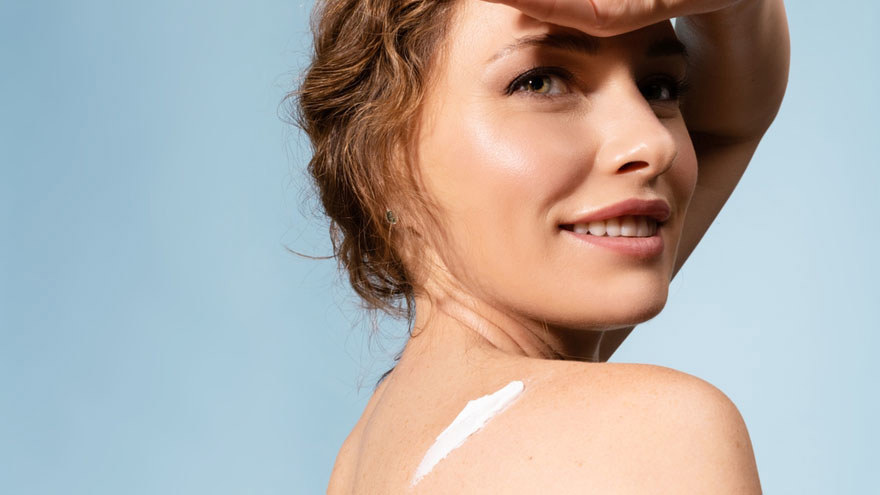
Sunscreen is essential — but it is not a complete solution.
Even with diligent use:
No sunscreen blocks 100% of UV radiation
Heat and visible light still stimulate pigmentation
Reapplication is rarely perfect in real-world conditions
Post-sun care functions as damage control and repair, helping the skin recover instead of storing UV stress that resurfaces later as pigmentation or premature aging.
In clinical practice, we consistently see that patients who prioritize post-sun recovery:
Maintain results from laser and lifting treatments longer
Experience fewer pigmentation relapses
Develop stronger, more resilient skin over time
Sunscreen prevents damage. Post-sun care determines how well your skin heals from what inevitably gets through.
Immediate Post-Sun Care: The First 72 Hours Matter Most
The first three days after sun exposure are critical. This is when inflammation is most active — and when thoughtful care can significantly alter long-term outcomes.
Step 1: Cool — gently
Avoid aggressive cooling methods such as ice packs directly on the skin. Instead:
Use cool (not cold) compresses
Cleanse with lukewarm water
Apply lightweight, calming gels or emulsions
The goal is to lower skin temperature and calm inflammation without causing vascular shock or irritation.
Step 2: Simplify your skincare
After sun exposure, the skin barrier is compromised. This is not the time for “active” ingredients. Temporarily avoid:
Retinoids and retinol
Exfoliating acids (AHA, BHA, PHA)
High-strength vitamin C
Instead, focus on barrier-repair and soothing ingredients such as:
Panthenol (vitamin B5)
Centella asiatica
Ceramides
Hyaluronic acid
If you’re wondering whether “doing nothing” is better — you’re not alone. But complete neglect often leads to dehydration and slower recovery. Gentle, intentional care is far more effective.
Step 3: Hydration supports repair
UV exposure significantly increases transepidermal water loss. Adequate hydration:
Supports enzymatic repair processes
Reduces inflammation-driven pigmentation
Improves overall skin comfort and elasticity
Internal hydration matters, but topical hydration plays a direct role in restoring the skin barrier.
The One-Week Window: Preventing Pigmentation and Aging

This is the phase where many people assume their skin has “recovered” — and where dermatologists become most cautious.
Pigmentation develops gradually
Melanin production does not peak immediately after sun exposure. It builds over time. Without appropriate care:
Sun spots deepen
Melasma expands beyond its original borders
Overall skin tone becomes uneven and dull
Patients often tell us, “The pigmentation appeared out of nowhere.” In reality, it was forming quietly during this one-week recovery window.
Calming and antioxidant support
Under professional guidance, this is when introducing:
Low-irritation antioxidants
Barrier-strengthening ampoules
Anti-inflammatory topical treatments
can significantly reduce long-term damage. The key is timing and formulation — aggressive products can worsen inflammation if introduced too early.
This is also an ideal period for clinic-based calming treatments such as LED therapy or soothing skin boosters, which help accelerate recovery without stressing the skin.
Long-Term Skin Protection: Thinking Beyond Summer
UV exposure is cumulative
Your skin remembers every unprotected afternoon walk, café terrace seat, outdoor workout, and vacation photo session.
Many patients in their 40s ask:
“Why does my skin suddenly look older, even though I take care of it now?”
The answer is cumulative UV exposure — and delayed consequences. What you see today often reflects damage from 10 or 20 years ago.
Daily habits that truly protect skin
Effective long-term protection includes:
Broad-spectrum sunscreen applied daily, year-round
Reapplication every 2–3 hours when outdoors
Physical protection such as hats, sunglasses, and parasols
Tinted sunscreens to reduce visible-light–induced pigmentation
In Korean beauty culture, “glass skin” isn’t about shine. It’s about evenness, clarity, and resilience — qualities built through consistent protection, not occasional effort.
When Post-Sun Damage Needs Professional Care
There is a point where skincare alone is no longer sufficient.
Signs to consult a dermatologist
Pigmentation lasting longer than 4–6 weeks
New freckles or sun spots appearing asymmetrically
Skin feeling thinner, rougher, or unusually sensitive
Fine lines progressing rapidly despite good skincare habits
At Delight Dermatology Clinic, post-sun recovery programs may include:
Pigmentation-targeting laser treatments
Skin-strengthening procedures such as Potenza
Collagen-stimulating devices like Thermage or Ulthera, when appropriate
Early intervention is always gentler, safer, and more effective than waiting until damage becomes deeply established.
A Dermatologist’s Perspective: Common Post-Sun Mistakes
After years of treating sun-related skin concerns, a few patterns consistently emerge.
Overusing “after-sun” products
Many commercial after-sun products contain:
Alcohol
Fragrance
Strong cooling agents
These may feel refreshing initially but can irritate already compromised skin. A simple rule: if it stings, tingles, or burns, it’s not soothing.
Expecting one treatment to erase sun damage
Laser or lifting treatments are powerful tools — but they work best as part of a long-term skin strategy. Without proper sun protection and post-sun recovery habits, results fade faster and pigmentation often returns.
Skin health is a relationship, not a one-time fix.
Personalized Post-Sun Care in Gangnam
For both local and international patients visiting Seoul, post-sun care is especially important. Travel schedules, outdoor sightseeing, and sudden climate changes place additional stress on the skin.
At Delight Dermatology Clinic, led by Dr. Yun Sang Youl, a Mayo Clinic–trained, board-certified dermatologist, alongside Dr. Shin Hui Young, we approach post-sun care with:
Medical accuracy
Aesthetic sensitivity
Long-term planning
Every skin type, tone, and lifestyle responds differently to UV exposure. That’s why we prioritize personalized programs rather than generic advice.
Final Thoughts: Sun Care Is Skin Respect
Sun exposure is part of life. Enjoying it doesn’t mean damaging your skin — if recovery is handled correctly.
If you’ve been struggling with persistent pigmentation, sudden sensitivity, or early signs of photoaging, consider a dermatologist-led evaluation rather than experimenting alone.
Your skin doesn’t need punishment after the sun.
It needs calm, repair, and intelligent protection.
If you’re looking for a Gangnam clinic that combines global dermatology training with advanced devices and private consultations, Delight Dermatology Clinic is always ready to guide you — not just through treatments, but through smarter skin decisions for the years ahead.