Personalized dermatology care in Gangnam, Seoul
en-US

Skin Care Tips for All Skin Types and Ages
Discover top skin care tips for all skin types and ages. Achieve healthy, glowing skin with expert advice tailored to every stage. Learn more today!

Introduction

A dermatologist-guided, real-world approach from Delight Dermatology Clinic, Gangnam
To be honest, most people who visit our clinic in Gangnam don’t come in saying, “I don’t know anything about skincare.”
They come in frustrated.
They’ve tried expensive serums, followed TikTok routines, invested in devices, or copied a friend’s regimen — yet their skin still feels unpredictable. Breakouts appear out of nowhere. Pigmentation returns just when it seemed under control. Fine lines don’t match their age or lifestyle.
What many patients overlook is this: good skin care isn’t about trends or skin type labels alone. It’s about understanding how skin behaves at different ages — and how to support it long-term.
At Delight Dermatology Clinic in Seocho-gu, we approach skincare as a partnership across decades, not a short-term fix. Below is a dermatologist-informed guide designed to work for all skin types and all ages, grounded in real clinical experience and Korean skin health realities.
Understanding Skin Types — Without Oversimplifying Them
Most skincare advice begins and ends with labels: dry, oily, combination, sensitive. While helpful, these categories don’t tell the whole story.
In practice, skin type is not fixed. It shifts with:
Age and hormonal changes
Stress and sleep quality
Climate (especially Seoul’s seasonal extremes)
Overuse of actives or devices
Medical conditions and medications
The Five Practical Skin Profiles We See Most Often
1. Oily but dehydrated skin
Very common in Korea. Skin produces excess sebum but lacks water, leading to shine and tightness.
2. Dry and barrier-compromised skin
Often caused by over-cleansing, excessive exfoliation, or aggressive treatments.
3. Sensitive-reactive skin
Not a diagnosis, but a response pattern. Skin reacts easily to products, temperature changes, or stress.
4. Acne-prone adult skin
Distinct from teenage acne. Often linked to hormones, inflammation, or improper skincare layering.
5. Aging skin with pigmentation concerns
Loss of collagen combined with uneven tone — one of the most common concerns in patients in their late 30s–50s.
Understanding which profile fits you right now matters more than any permanent label.
Core Skin Care Principles That Apply to Everyone
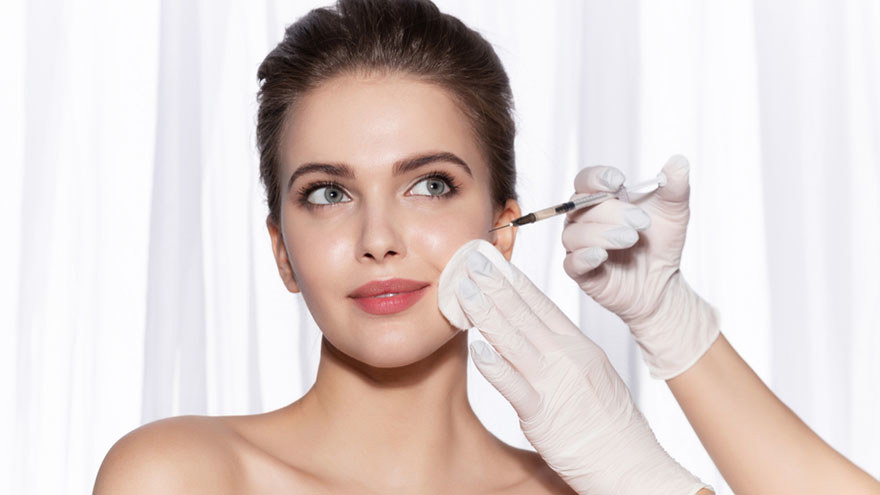
Regardless of age or skin type, there are foundational rules we emphasize daily at the clinic.
1. Cleanse Without Punishment
If your skin feels squeaky-clean, it’s usually over-cleansed.
Use a low-pH cleanser (around 5.5)
Avoid harsh foaming cleansers twice daily if skin feels tight
In the evening, remove sunscreen and makeup thoroughly but gently
Think of cleansing as resetting, not stripping.
2. Repair the Skin Barrier First — Always
Many patients want brightening, tightening, or acne solutions immediately. But without a healthy barrier, nothing works well.
A strong barrier:
Retains moisture
Reduces inflammation
Responds better to treatments
Ages more slowly
Look for ingredients like:
Ceramides
Cholesterol
Fatty acids
Panthenol
Centella asiatica
At Delight Dermatology, we often delay advanced treatments until the barrier is stabilized — and results improve significantly because of it.
3. Sunscreen Is Non-Negotiable at Any Age
If there is one universal skincare rule, this is it.
UV exposure doesn’t just cause sunburn. It:
Worsens pigmentation
Breaks down collagen (photoaging)
Delays healing
Makes treatments less effective
Daily sunscreen use is essential even:
Indoors
On cloudy days
In winter
In Korean beauty culture, the idea of “glass skin” is inseparable from consistent sun protection — not glowing products.
Skin Care by Age: What Your Skin Actually Needs
Skin Care in Your Teens and 20s: Build, Don’t Attack
This is the stage where damage prevention matters more than correction.
Key goals
Control inflammation
Prevent acne scarring
Establish habits that protect collagen
Common mistakes
Over-exfoliating
Using strong actives daily
Skipping moisturizer for oily skin
Dermatologist advice
Gentle cleanser + lightweight moisturizer
Targeted acne treatment (not full-face aggression)
Sunscreen every morning
Acne treated calmly heals better than acne treated aggressively.
Skin Care in Your 30s: The Transition Phase
Your skin doesn’t suddenly “age,” but subtle changes begin:
Slower cell turnover
Early collagen decline
Increased pigmentation sensitivity
Patients often say, “My skincare stopped working.”
In reality, your skin’s needs have shifted.
Focus areas
Antioxidants (vitamin C, E)
Retinoids (introduced carefully)
Hydration layering
This is also when in-clinic treatments like skin boosters, gentle lasers, or collagen-stimulating devices can maintain youthful structure if used conservatively.
Skin Care in Your 40s and 50s: Support Structure and Tone
At this stage, skin concerns often combine:
Sagging
Wrinkles
Pigmentation
Dullness
Skincare alone helps, but it cannot rebuild structural support.
We often explain collagen loss like this:
Imagine the scaffolding under a building weakening. Paint alone won’t fix it.
Effective strategies
Consistent retinoid use
Barrier-strengthening moisturizers
Energy-based treatments (Thermage, Ulthera, Potenza)
Pigmentation-targeted care guided by dermatologists
What many patients in Gangnam overlook is that maintenance matters more than intensity. One strong treatment without follow-up rarely delivers lasting results.
Skin Care Tips by Skin Type (Practical, Not Generic)
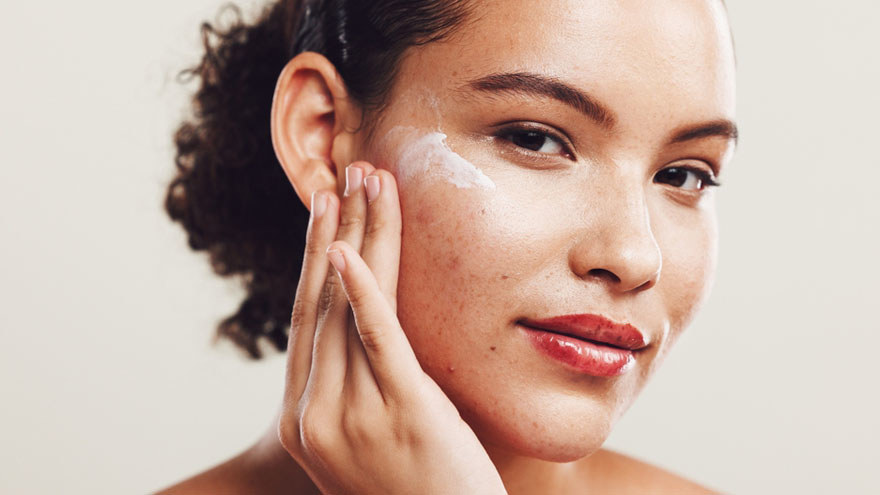
For Oily or Acne-Prone Skin
Avoid alcohol-heavy toners
Use non-comedogenic moisturizers
Treat acne as inflammation, not dirt
At-home devices and harsh acids often worsen adult acne — something we see weekly in clinic.
For Dry Skin
Cleanse once daily if possible
Apply moisturizer on damp skin
Avoid frequent exfoliation
Dry skin often improves dramatically once irritation is removed.
For Sensitive Skin
Fewer products, better formulas
Patch test new treatments
Avoid rotating actives too often
Sensitive skin thrives on predictability.
For Pigmentation-Prone Skin
Sunscreen reapplication is essential
Avoid unmonitored laser treatments
Combine topical care with professional guidance
Pigmentation is like a shadow on a canvas — if the lighting (UV and inflammation) isn’t controlled, it returns.
The Truth About “Anti-Aging” Skin Care
If you’re wondering whether anti-aging treatments really last — you’re not alone.
Here’s the honest answer:
Skincare slows aging
Treatments reshape aging
Consistency determines longevity
No cream replaces collagen once it’s lost. But the right skincare can protect what remains and amplify in-clinic results.
At Delight Dermatology Clinic, we design plans that blend:
Home care
In-clinic treatments
Seasonal adjustments
This integrated approach is what delivers natural, refined results — not sudden changes.
Why Personalized Dermatology Matters
Many international and local patients visit us after trying everything else. Not because those products were “bad,” but because they weren’t personalized.
Dermatologist-led care means:
Understanding your skin biology
Choosing devices appropriate for your skin tone
Preventing complications before they happen
Prioritizing long-term skin health
Under the guidance of Dr. Yun Sang Youl, a Mayo Clinic–trained, board-certified dermatologist, and Dr. Shin Hui Young, our clinic emphasizes precision over excess and natural outcomes over dramatic trends.
A Thought to Leave You With
Good skin care isn’t about perfection.
It’s about respect — for your skin’s limits, changes, and needs over time.
If you’ve been struggling with persistent pigmentation, recurring acne, or early signs of aging despite doing “everything right,” it may be time to step back and reassess with professional guidance.
Consider a personalized skin program at a dermatologist-led clinic like Delight Dermatology Clinic in Gangnam, where global training meets attentive, boutique care.
Your skin doesn’t need more products.
It needs a smarter plan — built to last.