Personalized dermatology care in Gangnam, Seoul
en-US

Solutions for Uneven Skin Tone and Texture
Discover effective solutions for uneven skin tone and texture. Explore top treatments, tips, and products to achieve smoother, radiant skin. Learn more!
Introduction
Dermatologist-guided insights from Delight Dermatology Clinic, Gangnam
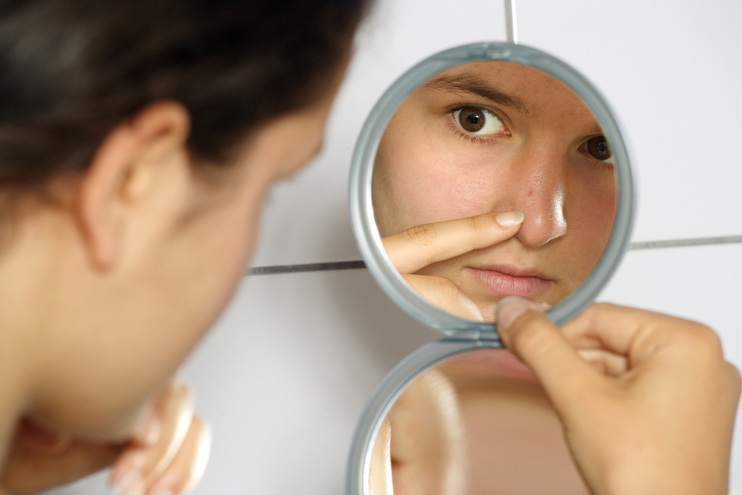
A patient once told us, “My skin looks fine in the morning mirror, but under café lighting—or in photos—it suddenly looks patchy and rough.”
To be honest, this is one of the most common frustrations we hear in Gangnam. Uneven skin tone and texture don’t always scream for attention, but once you notice them, they’re hard to ignore—and even harder to unsee.
At Delight Dermatology Clinic, many patients arrive feeling quietly discouraged. They’ve invested in skincare, tried trending treatments, and followed advice from social media, yet their skin still doesn’t look even. Not unhealthy—just inconsistent. If that sounds familiar, this guide is meant to clarify what’s really happening beneath the surface and how dermatologists approach it in a structured, realistic way.
Below, we’ll explore why uneven tone and texture develop, why skincare alone often reaches a plateau, and which dermatologist-guided solutions are most effective for long-term skin refinement—especially within the context of Korean beauty standards that prioritize clarity, smoothness, and a naturally refined glow rather than dramatic transformation.
Understanding Uneven Skin Tone vs. Uneven Skin Texture
They often appear together, but uneven tone and uneven texture are fundamentally different problems. Understanding the distinction is the first step toward choosing treatments that actually work.
Uneven Skin Tone: When Color Loses Its Balance
Uneven skin tone refers to irregularities in skin color—dark spots, redness, sallowness, or grayish shadows that disrupt overall clarity. In clinical practice, we most commonly see tone issues caused by:
Chronic sun exposure (even without visible sunburn)
Post-inflammatory hyperpigmentation after acne or irritation
Hormonal melasma, particularly in women in their 30s and 40s
Vascular redness related to inflammation or sensitivity
A weakened skin barrier that allows pigment to settle unevenly
Pigmentation issues are cumulative. Many patients are surprised to learn that the pigmentation appearing today often reflects sun exposure from five or ten years ago. This delayed response is why tone irregularities can feel unpredictable and frustrating.
A helpful analogy we often share is this: pigmentation is like uneven shadows on a canvas. Even if the surface itself is smooth, inconsistent coloring changes how the entire face is perceived—making skin look tired, older, or dull.
Uneven Skin Texture: When the Surface Feels Rough
Texture issues affect how skin feels and reflects light. They include:
Enlarged or stretched pores
Fine bumps from congestion or keratin buildup
Acne scars and textural depressions
Fine lines and early laxity
Overall roughness that makeup tends to emphasize rather than hide
From a dermatologic perspective, texture problems usually indicate changes in the dermis—specifically collagen, elastin, and skin density. Over time, inflammation, UV exposure, and natural aging weaken the structural support beneath the skin.
Texture issues are more like structural wear and tear. You can moisturize the surface, but if the underlying framework is compromised, smoothness remains temporary.
What many patients in Gangnam overlook is this: you can brighten skin endlessly, but if texture is compromised, true clarity and refinement never fully appear.
Why Skincare Alone Often Plateaus
Skincare is essential. We strongly believe in it. But it’s important to understand what skincare can and cannot do.
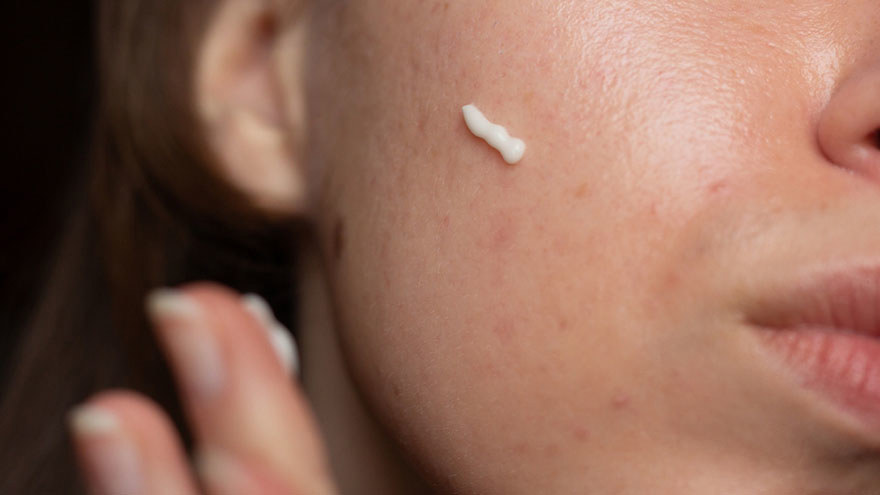
Topical products primarily act on the epidermis. They are excellent for:
Improving hydration
Supporting the skin barrier
Mild exfoliation
Preventing new pigmentation
However, skincare cannot reliably:
Remove deep dermal pigmentation
Rebuild lost collagen
Tighten stretched pores
Correct established acne scarring
This is why many patients reach a point where they say, “My skin looks better, but it doesn’t look different.”
That plateau isn’t failure—it’s simply the limit of topical care.
At this stage, dermatologist-guided treatments are not about being aggressive. They’re about working at the correct depth, with controlled energy or stimulation that skincare alone cannot reach.
Dermatologist-Approved Solutions for Uneven Skin Tone
Precision Laser Toning
Low-energy pigment laser toning is a cornerstone treatment for uneven tone in Asian skin types. Rather than aggressively destroying pigment, these lasers gently fragment excess melanin while minimizing heat and inflammation.
This approach is especially important for patients prone to rebound pigmentation or melasma. In our experience, pigmentation worsens when the skin feels “attacked.” Calm, repetitive stimulation produces more stable results.
Laser toning works best as a series of treatments, gradually retraining pigment-producing cells rather than shocking them into overreaction.
Dermatologist-Guided Chemical Peels
Medical-grade chemical peels differ significantly from spa-based peels. They are customized based on:
Skin thickness
Sensitivity level
Pigmentation risk
Current barrier condition
When performed correctly, peels help normalize cell turnover, improve dullness, and support more even tone. Just as importantly, they prepare the skin to respond better to other treatments and topical care.
Peels are not about visible peeling—they are about controlled renewal.
Medical Brightening Programs
Clinically, pigmentation is rarely just about melanin. Chronic inflammation, vascular instability, and impaired barrier function often play equally important roles.
For this reason, dermatologists often combine laser treatments with medical brightening programs that may include antioxidant support, tranexamic acid protocols, and barrier-repair injectables. The goal is to stabilize pigment activity internally while refining the surface externally.
Dermatologist-Approved Solutions for Uneven Skin Texture
RF Microneedling
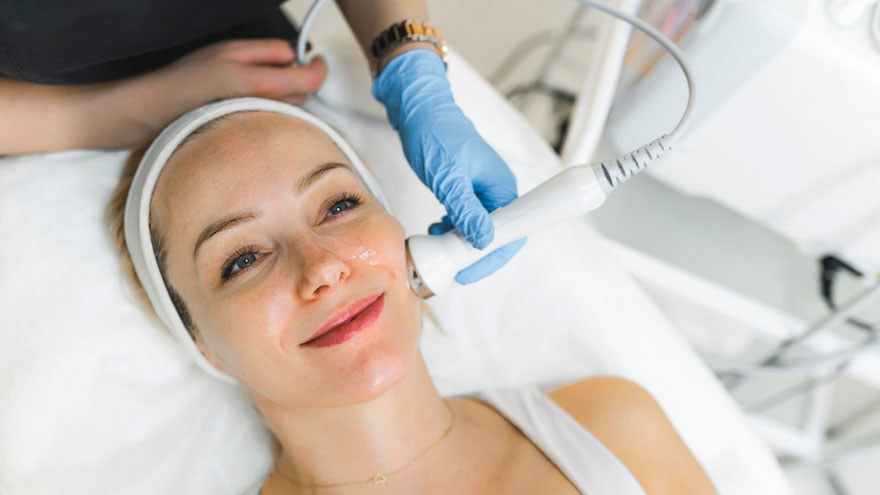
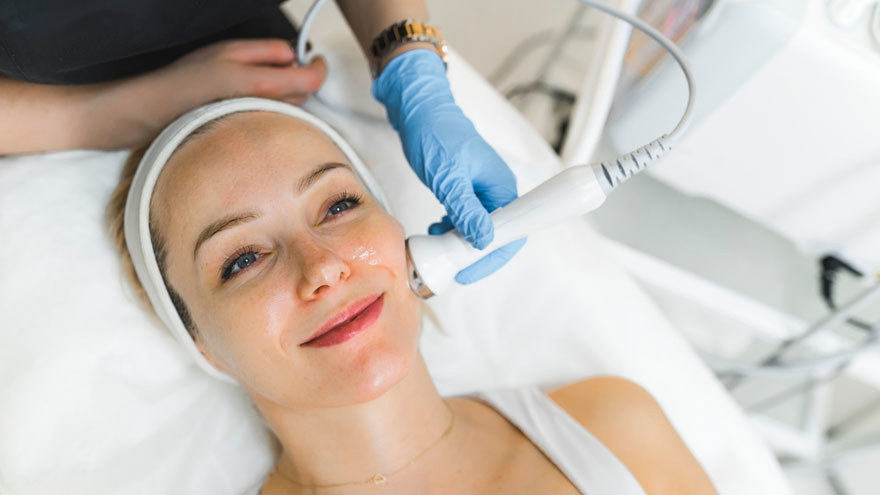
Radiofrequency microneedling addresses texture by delivering controlled thermal energy into the dermis through fine needles. This stimulates collagen remodeling and improves skin density over time.
We often explain it to patients like this: “It’s not polishing the surface—it’s rebuilding the scaffolding underneath.”
This makes RF microneedling particularly effective for:
Enlarged pores
Acne scarring
Rough, uneven texture
Early skin laxity
Improvements develop gradually, which is why results look natural rather than sudden.
Collagen-Stimulating Ultrasound and Radiofrequency
Ultrasound and monopolar radiofrequency technologies work by tightening existing collagen and encouraging new collagen formation. While often associated with lifting, these treatments also improve texture by increasing skin firmness and elasticity.
Texture refinement from these devices is subtle but cumulative—ideal for patients who prefer understated, progressive change.
Hybrid Treatment Approaches
In real clinical practice, texture rarely improves with a single modality. Combination approaches—mixing RF microneedling, targeted lasers, and regenerative skin boosters—tend to produce more balanced, longer-lasting results.
Skin heals in layers, and treatment strategies should reflect that reality.
Why Tone and Texture Must Be Treated Together
One of the most common mistakes we see is focusing exclusively on pigmentation or exclusively on pores.
Bright skin with rough texture still looks tired.
Smooth skin with uneven tone still looks dull.
Effective dermatologic care treats skin like an architectural structure: strengthen the foundation, refine the surface, and maintain the result. When tone and texture are addressed together, improvements appear more harmonious and natural.
Real-World Insight from Gangnam Clinics
Here’s something dermatologists notice but rarely say openly: many patients unintentionally undo their progress.
Overusing at-home devices, layering too many active ingredients, or stopping maintenance once skin “looks better” often leads to relapse. Skin remembers stress. Consistency—not intensity—is what keeps skin even long term.
In Korean dermatology culture, maintenance is viewed not as dependency, but as responsible care—similar to dental cleanings or health checkups.
Who Benefits from a Personalized Skin Program?
You may benefit from a dermatologist-led plan if:
Pigmentation keeps returning despite treatment
Texture hasn’t improved despite high-quality skincare
Subtle aging has become noticeable in your 30s to 50s
You want refinement without obvious signs of procedures
At Delight Dermatology Clinic, treatment programs are designed under the supervision of Yun Sang Youl, a Mayo Clinic–trained dermatologist, alongside Shin Hui Young, who specializes in skin rejuvenation and texture refinement. Plans are built around skin biology, lifestyle, and long-term goals—not trends.
What to Expect: Progress, Not Instant Perfection
Most patients notice early brightness and smoother texture within a few weeks. More visible structural improvements typically appear over one to three months, with the most stable results developing between three and six months.
If you’re wondering whether results truly last, you’re not alone. Longevity depends on maintenance, sun protection, and respecting the skin’s recovery cycles. Healthy skin improvement is gradual by design.
Final Thoughts: Even Skin Is Healthy Skin
Uneven skin tone and texture are not simply cosmetic concerns. They are signals—of accumulated sun exposure, inflammation, collagen loss, or barrier stress.
When treated thoughtfully, the goal is not perfection. It’s balance, clarity, and confidence—the kind of skin that looks consistent in any lighting, not just the bathroom mirror.
If you’ve been struggling with persistent pigmentation or rough texture, consider a personalized skin program at a dermatologist-led clinic in Gangnam. Ask your doctor—or visit Delight Dermatology Clinic that combines global training, advanced devices, and private consultations—about what your skin truly needs now, not five trends ago.