Personalized dermatology care in Gangnam, Seoul
en-US

Stem Cell Therapy for Skin Rejuvenation
Discover the benefits of stem cell therapy for skin rejuvenation, offering a natural solution to reduce wrinkles, improve texture, and restore youthful skin.

Introduction

Stem cell therapy for skin rejuvenation is rapidly gaining attention as a revolutionary treatment in the world of cosmetic dermatology. The concept of using stem cells to promote skin repair and regeneration offers a promising approach to addressing common signs of aging, such as wrinkles, fine lines, skin sagging, and age spots. By tapping into the body’s natural healing processes, stem cell therapy has the potential to reverse the effects of aging and enhance the overall appearance of the skin. This article provides an in-depth look at stem cell therapy for skin rejuvenation, detailing how it works, its benefits, potential risks, and what you can expect from this innovative treatment.
What is Stem Cell Therapy for Skin Rejuvenation?
Stem cell therapy involves using the regenerative capabilities of stem cells to promote tissue healing, regeneration, and rejuvenation. Stem cells are unique in that they have the ability to differentiate into various types of cells, including those that make up the skin. In the context of skin rejuvenation, stem cells are used to repair damaged skin, stimulate the production of collagen and elastin, and promote overall skin health.
Skin rejuvenation with stem cells is based on the principle that these cells can repair and regenerate skin tissue by encouraging the growth of new, healthy skin cells. This can help improve skin texture, reduce the appearance of wrinkles and fine lines, and restore a more youthful, glowing complexion. As a result, stem cell therapy is considered a non-invasive and natural alternative to traditional cosmetic treatments such as Botox, fillers, or even surgical facelifts.
How Stem Cell Therapy for Skin Rejuvenation Works
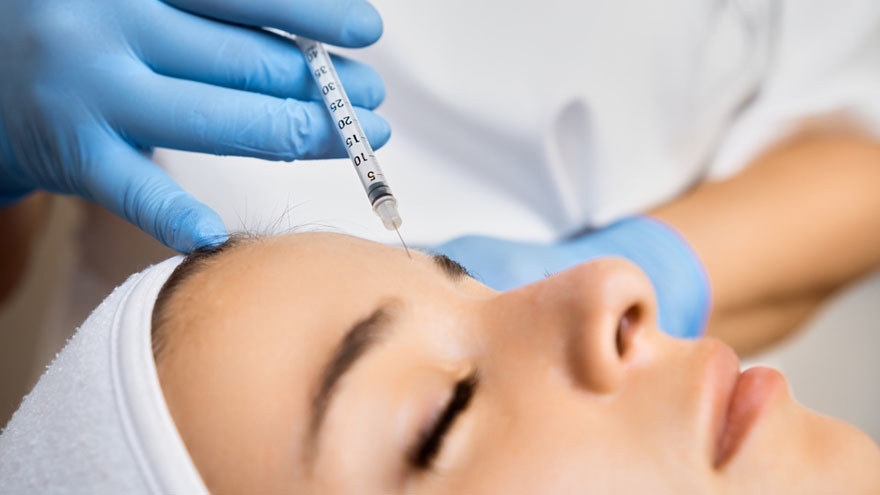
Stem cell therapy for skin rejuvenation typically involves several stages, from harvesting stem cells to delivering them to the skin. The process may vary depending on the clinic, but the fundamental principles remain the same. Below is a detailed breakdown of how stem cell therapy is typically performed:
1. Stem Cell Extraction
The first step in the process involves extracting stem cells from the patient’s own body. The most common sources of stem cells for skin rejuvenation are adipose (fat) tissue, bone marrow, or even umbilical cord blood.
Adipose-Derived Stem Cells (ADSCs): Adipose tissue, which is found beneath the skin, is the most commonly used source of stem cells for cosmetic procedures. These cells are abundant, easy to harvest, and contain high concentrations of mesenchymal stem cells (MSCs), which are known for their regenerative properties.
Bone Marrow-Derived Stem Cells (BMSCs): Bone marrow is another potential source of stem cells, although this method is more invasive as it requires a bone marrow biopsy. BMSCs have been shown to have a strong capacity for tissue repair and regeneration.
Umbilical Cord Blood Stem Cells: Some clinics may use stem cells derived from umbilical cord blood, although this is less common. These stem cells are known for their potency and ability to differentiate into various cell types.
The extraction process is generally minimally invasive and takes place under local anesthesia. After the stem cells are harvested, they are transported to a laboratory where they are processed and prepared for injection.
2. Processing and Concentration
Once the stem cells are extracted, they undergo a series of procedures to isolate and concentrate them. In the laboratory, the stem cells are purified, and their growth factors and other bioactive compounds are concentrated. This process ensures that the stem cells are in their most potent form before they are reintroduced into the patient’s skin.
At this stage, the stem cells may also be combined with other growth factors, such as platelet-rich plasma (PRP), to enhance their regenerative effects. PRP is derived from the patient’s own blood and contains growth factors that can accelerate healing and tissue regeneration.
3. Injection or Application
The concentrated stem cells are then administered into the skin, typically through microinjections. These injections are made directly into the target areas where rejuvenation is desired. Common areas of treatment include the face, neck, décolletage, and hands. The stem cells are injected into the dermis (the middle layer of the skin), where they can interact with surrounding cells to stimulate collagen and elastin production.
In some cases, stem cells may also be applied topically, but this method tends to have less profound effects compared to injections, as the stem cells are less able to penetrate deeper layers of the skin when applied in this manner. Therefore, injectable treatments are often preferred for optimal results.
4. Regeneration and Healing
Once injected into the skin, stem cells begin to work by promoting the regeneration of skin cells. They stimulate the production of collagen, elastin, and hyaluronic acid, all of which are crucial for maintaining the skin's youthful appearance, elasticity, and hydration. Stem cells also release growth factors that promote wound healing and tissue repair.
Over time, the treated skin begins to look smoother, firmer, and more youthful. Wrinkles, fine lines, and age spots may diminish, and the skin's overall texture and tone improve. Since stem cells encourage the body’s natural healing processes, the results tend to develop gradually over several weeks or months.
Benefits of Stem Cell Therapy for Skin Rejuvenation
Stem cell therapy for skin rejuvenation offers numerous benefits, particularly for individuals looking for a natural and non-invasive alternative to more traditional cosmetic treatments. Below are some of the most significant advantages of stem cell therapy:
1. Anti-Aging Effects
One of the most notable benefits of stem cell therapy is its ability to combat the signs of aging. Stem cells can help reduce the appearance of wrinkles, fine lines, and sagging skin by promoting collagen production and improving the skin’s overall elasticity. Collagen is a key protein that provides structure and firmness to the skin, and its production naturally decreases as we age. Stem cells can help stimulate collagen production, restoring a youthful, firm appearance to the skin.
2. Improved Skin Texture
In addition to reducing wrinkles and fine lines, stem cell therapy can significantly improve skin texture. It helps to regenerate damaged skin cells, heal scars, and reduce hyperpigmentation or age spots. This leads to smoother, more even-toned skin that looks refreshed and revitalized.
3. Restoration of Youthful Appearance
By encouraging the growth of new skin cells and increasing the production of collagen and elastin, stem cell therapy helps restore a youthful appearance. This treatment can make the skin appear plumper, more hydrated, and rejuvenated, creating a natural glow.
4. Minimal Downtime
Unlike more invasive procedures such as facelifts or chemical peels, stem cell therapy has minimal downtime. Most patients can return to their normal activities within a few days of treatment. There may be some mild swelling or redness at the injection sites, but these side effects typically resolve within a short period.
5. Non-Invasive
Stem cell therapy is a non-surgical procedure, making it a more appealing option for individuals who are looking to avoid the risks and recovery time associated with surgery. The process is relatively simple and can be done on an outpatient basis.
Risks and Considerations of Stem Cell Therapy
While stem cell therapy offers a wide range of benefits, it is important to be aware of the potential risks and limitations. Some of the key considerations include:
1. Cost
Stem cell therapy can be expensive due to the complexity of the procedure, the specialized equipment and expertise required, and the cost of harvesting and processing the stem cells. The price varies widely depending on the clinic and location, and patients should carefully consider the cost before undergoing treatment.
2. Long-Term Effectiveness
Although early results of stem cell therapy for skin rejuvenation are promising, the long-term effectiveness and safety of the treatment are still being studied. As with any medical procedure, the results may vary from person to person, and it may take time to fully evaluate how long the effects last.
3. Potential Side Effects
As with any procedure, there are some risks associated with stem cell therapy, including infection, allergic reactions, and the possibility of the stem cells becoming abnormal or leading to the formation of unwanted tissue. However, these risks are generally rare and can be minimized by choosing a reputable clinic with experienced professionals.
4. Regulatory Concerns
Stem cell therapies are not universally regulated in the same way across the world. Patients should ensure that the clinic they choose is following appropriate ethical and medical guidelines to ensure the safety and effectiveness of the treatment.
The Future of Stem Cell Therapy for Skin Rejuvenation
Stem cell therapy for skin rejuvenation is still in its early stages, but it has the potential to revolutionize the way we approach cosmetic treatments. Ongoing research into stem cell biology and regenerative medicine is likely to lead to even more advanced techniques and better outcomes in the future. As scientists learn more about how stem cells interact with the skin and how they can be harnessed for optimal rejuvenation, stem cell therapy may become a mainstream solution for anti-aging and skin restoration.
In the meantime, individuals considering stem cell therapy should consult with a qualified dermatologist or cosmetic surgeon to discuss their options and determine whether this treatment is suitable for their needs.
Conclusion
Stem cell therapy for skin rejuvenation represents a significant breakthrough in cosmetic dermatology. By utilizing the body’s own regenerative cells, this treatment offers a natural, non-invasive way to combat the effects of aging and restore a youthful, vibrant appearance to the skin. While the treatment shows great promise, it is important to carefully consider the potential risks and consult with a qualified professional before proceeding. With continued research and advancements in stem cell technology, this exciting treatment may become an even more accessible and effective option for individuals seeking skin rejuvenation in the future.