Personalized dermatology care in Gangnam, Seoul
en-US

Surgical Scar Treatments for a Flawless Appearance
Discover effective surgical scar treatments to achieve smoother, flawless skin. Explore options, benefits, and expert tips. Learn more today!
Introduction
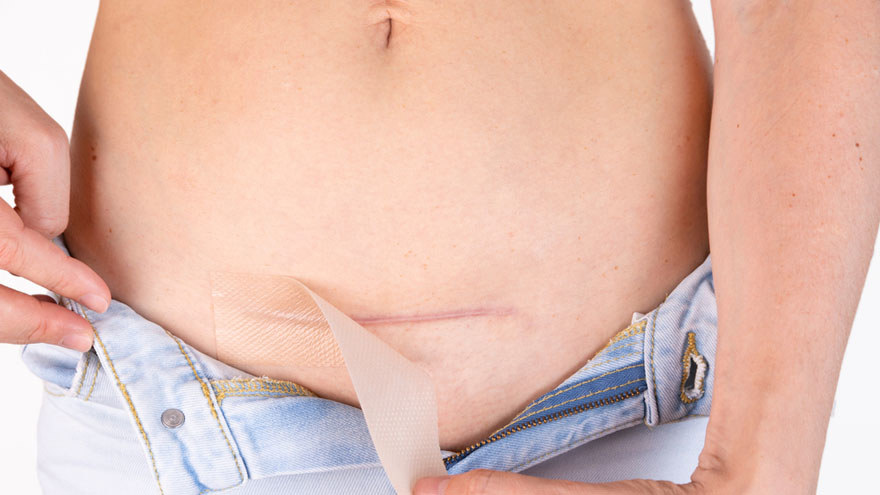
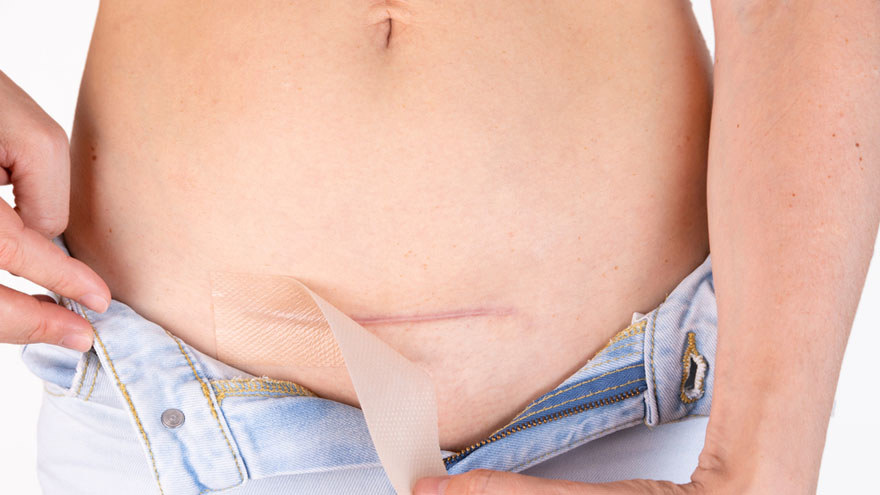
For many patients, the hardest part of recovery isn’t the surgery itself — it’s the lingering reminder that remains on the skin. Whether from cosmetic procedures, childbirth, or an accident, surgical scars can feel like stubborn shadows on an otherwise smooth surface.
At Delight Dermatology Clinic in Gangnam, we meet countless patients who say, “My surgery went perfectly — but I can’t stop noticing the scar.” It’s a sentiment that’s both emotional and aesthetic. After all, our skin is deeply tied to our confidence. The good news? Modern dermatology has redefined what’s possible. Surgical scars can now be softened, blended, and often made virtually invisible through a combination of advanced medical treatments and precision care.
Understanding Surgical Scars: Why Some Fade and Others Don’t
Every scar tells a story about how your skin healed — but not all stories unfold the same way.
When skin undergoes surgery, the body naturally forms collagen fibers to close the wound. Ideally, these fibers align neatly, resulting in a fine, pale line. However, in many cases, the collagen overproduces or heals unevenly, leading to thicker, darker, or raised scars.
Several factors influence how surgical scars develop:
Genetics: Some people are more prone to hypertrophic or keloid scarring.
Location of the incision: Areas with frequent movement — such as the chest, shoulders, or jawline — tend to heal with more tension, increasing scar visibility.
Post-surgical care: Sun exposure, infection, or delayed wound healing can worsen the outcome.
Skin tone: Melanin-rich skin (common among Korean and Asian patients) is more susceptible to post-inflammatory pigmentation.
At our clinic, we often explain that scar formation isn’t a failure of surgery — it’s simply how your body heals. What matters most is how we guide the next phase: the remodeling of that scar.
Modern Scar Revision: Beyond Simple Lasers
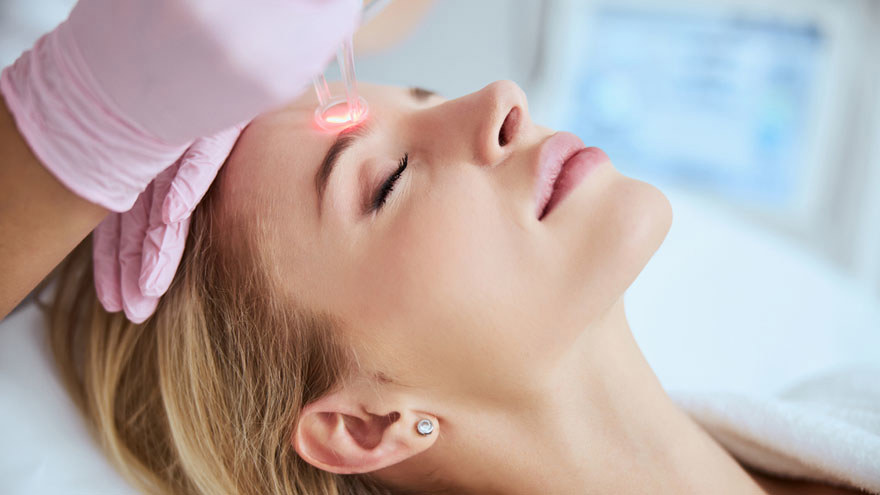
Gone are the days when “scar treatment” meant a single laser session and vague promises. Today, effective scar management involves layered therapy — a customized blend of technologies and medical strategies that address both texture and tone.
Here’s how we approach it at Delight Dermatology:
1. Laser Resurfacing (Fractional & Non-Ablative Types)
Think of fractional lasers as “micro-surgeons” that remodel scar tissue without cutting the skin. Devices like Fraxel, LaseMD Ultra, and Erbium fractional lasers create microscopic channels that stimulate new collagen production while smoothing uneven surfaces.
For deeper or older surgical scars, combining fractional CO₂ with gentle non-ablative treatments helps retexturize the skin layer by layer — like polishing glass without over-thinning it.
Dermatologist Insight: Many patients believe a stronger laser means faster results, but excessive heat can actually darken Asian skin. Precision, not intensity, is what ensures elegant outcomes.
2. Microneedling RF (Potenza or Sylfirm X)
Microneedling RF devices deliver controlled radiofrequency energy deep into the dermis, tightening and remodeling collagen from within. It’s particularly effective for firm, raised, or fibrotic scars.
At Delight Dermatology, we often combine Potenza RF with custom growth-factor serums to accelerate healing and restore smoother texture. The treatment is safe for all skin types and can target both fresh and mature scars.
Think of it as reprogramming the scar’s memory — guiding the skin to rebuild properly this time.
3. Pigmentation Correction (Laser Toning & PICO Treatments)
Even when a scar’s texture improves, discoloration can persist — pink, brown, or dark marks that disrupt uniform tone.
To address this, we use PICO laser or Q-switched Nd:YAG toning to break down residual pigmentation. By targeting melanin clusters without damaging surrounding tissue, these devices fade the discoloration gradually and safely.
For post-surgical redness, vascular lasers (like Vbeam Perfecta) can calm blood vessels and reduce erythema, speeding up the scar’s maturation process.
4. Steroid or Rejuran Injections for Hypertrophic Scars
Thick, raised scars (hypertrophic) or keloids often require medical injections to soften and flatten. Corticosteroid microinjections reduce collagen overgrowth, while Rejuran Healer (polynucleotide) promotes healthy tissue remodeling.
By alternating both — a strategy our dermatologists often use — we can balance scar suppression with regenerative healing.
This dual approach minimizes recurrence and preserves natural skin texture, something standard steroid therapy alone cannot achieve.
5. Surgical Scar Revision (When Necessary)
For scars caused by tension or irregular closure, scar revision surgery may be performed under local anesthesia. This involves excising the old scar and meticulously re-suturing the area using advanced techniques that realign skin tension lines.
However, even after revision, follow-up laser and RF care is essential to ensure the new scar heals flatter and lighter.
In essence, surgery resets the scar — dermatologic therapy perfects it.
The “Healing Partnership” Approach
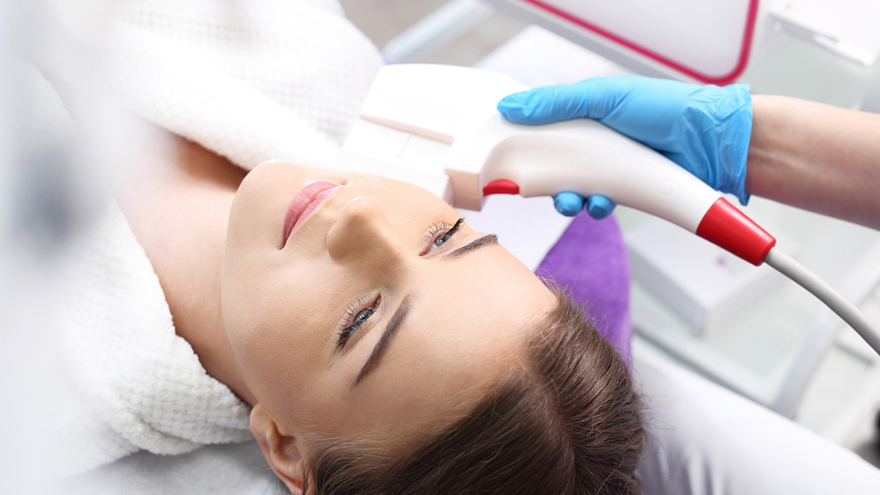
At Delight Dermatology, we tell our patients that scar treatment isn’t a one-time fix; it’s a collaboration between the dermatologist, technology, and your body’s own biology.
Most treatment plans last 3–6 months, sometimes longer for older scars. The key is steady remodeling — not rushing the skin but guiding it patiently.
We monitor not only the scar’s surface but also its color transitions, vascular activity, and collagen density through each phase. Treatments are spaced to optimize collagen turnover and minimize irritation, especially important for Korean skin types that can hyperpigment easily.
What Many Patients Overlook
Many patients in Gangnam invest heavily in facial anti-aging but overlook scar management, assuming scars are “permanent.” Yet, untreated scars can become more visible as surrounding skin ages and loses elasticity.
Another misconception? Using over-the-counter silicone gels or at-home lasers too aggressively. These can irritate healing tissue or even darken the scar.
A board-certified dermatologist can determine when to start treatment — timing is everything. Early intervention (typically 2–4 weeks post-suture removal) often yields the most seamless results.
Realistic Expectations: “Flawless” Doesn’t Mean Perfect
When we say “flawless,” we don’t mean erasing every trace of a scar — we mean restoring harmony to your skin’s appearance. The goal is for the scar to fade so naturally that even under close-up lighting, it blends into your skin tone and texture.
Most patients experience:
Noticeably smoother texture within 4–8 weeks
Lightening of redness and pigmentation over 3–6 months
Increased confidence wearing sleeveless or makeup-free looks
The journey requires consistency, but results often surpass expectations when treatment is properly sequenced and personalized.
Why Choose a Dermatology-Led Clinic in Gangnam
In Seoul, where aesthetic standards are exceptionally high, choosing the right clinic is crucial. Surgical scar care isn’t just about devices — it’s about the dermatologist’s judgment in tailoring combinations, intervals, and intensity for your specific scar type.
At Delight Dermatology Clinic, under the direction of Dr. Yun Sang Youl (Mayo Clinic-trained, former Banobagi Dermatology Director) and Dr. Shin Hui Young, we combine global protocols with Korean precision aesthetics.
Our clinic’s signature scar programs often integrate:
Potenza RF microneedling for structural remodeling
PICO toning for pigmentation
Fractional laser resurfacing for smoothing
Rejuran and laser-assisted drug delivery for enhanced healing
Each plan is adjusted based on your scar’s response, ensuring natural, long-lasting improvement — not just a temporary fade.
The Art and Science of Skin Renewal
Scars may begin as reminders of trauma or surgery, but they can evolve into symbols of resilience — especially when cared for with medical precision and aesthetic artistry.
At Delight Dermatology, we view every scar as an opportunity to restore confidence and redefine what “flawless” really means: skin that looks as smooth as it feels, and a reflection you no longer need to hide.
If you’ve been living with a surgical scar that bothers you, consider consulting a dermatologist-led clinic that specializes in advanced scar revision and personalized skin restoration.
Book a private consultation at Delight Dermatology Clinic, Gangnam, and let our experts help your skin heal beautifully — inside and out.