Personalized dermatology care in Gangnam, Seoul
en-US

Tackling Redness with Precision Treatments
Soothe and reduce skin redness with precision treatments. Discover effective solutions for lasting relief and clearer, healthier-looking skin today.
Introduction
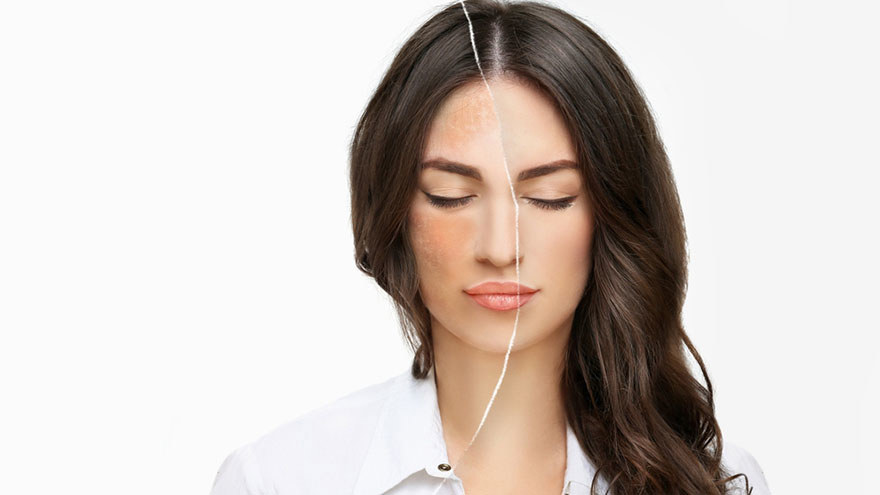
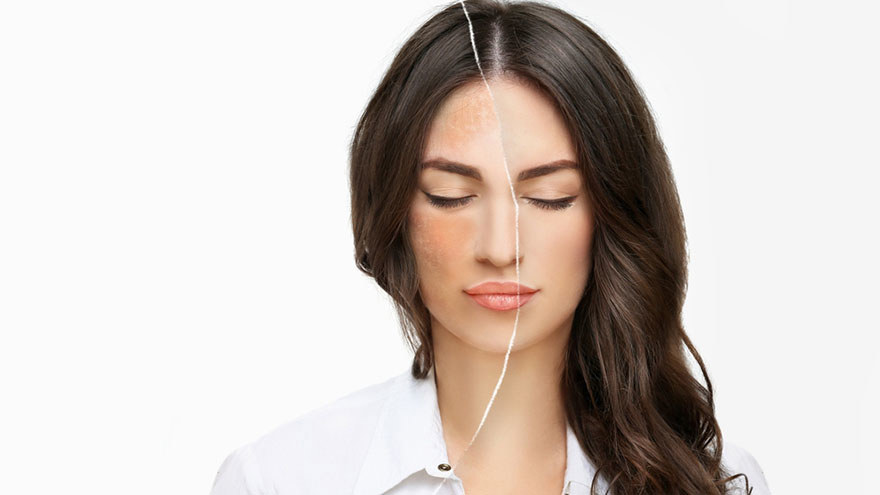
If you’ve ever looked in the mirror and noticed persistent redness — whether across your cheeks, around your nose, or scattered over your entire face — you know how frustrating and unpredictable it can feel. Many of our patients at Delight Dermatology in Gangnam share a similar story: they’ve tried countless serums, soothing creams, and green-tinted makeup, yet the redness always comes back. For some, it flares after a glass of wine. For others, it lingers for weeks after a breakout.
The truth is that redness isn’t one single condition. It can be a symptom of many different processes happening in your skin — inflammation, vascular dilation, barrier disruption, or even hormonal triggers. Without pinpointing the real cause, redness tends to persist, leaving patients feeling as though they’re constantly chasing a solution.
At our clinic, we don’t view redness as something to simply “cover up.” Instead, we approach it with precision. By understanding the underlying biology and tailoring treatments to each patient’s skin, we help restore balance, resilience, and a more even-toned complexion.
Why Does Facial Redness Happen?
Redness is often your skin’s way of signaling that something deeper is happening. In Korean beauty culture, many patients interpret redness as a sign of “sensitive skin,” but the reality is more complex. The most common causes include:
Rosacea
A chronic inflammatory skin disorder marked by persistent flushing, visible capillaries, and sometimes acne-like bumps. Rosacea often worsens with stress, alcohol, heat, or spicy foods — all common in everyday Korean lifestyles.Dilated capillaries (telangiectasia)
Tiny surface blood vessels that become permanently enlarged. They’re often linked to long-term sun exposure, natural aging, or repeated irritation. These vessels create a web-like or streaky redness that is impossible to conceal with makeup alone.Post-acne erythema (red scars)
After an acne lesion heals, the damaged vessels beneath the skin can leave lingering red marks. These are not true scars but vascular stains, and they can persist for months without intervention.Atopic dermatitis or barrier dysfunction
When the skin’s protective barrier is weak, it reacts more strongly to irritants. The result is diffuse redness that can cover large areas of the face, often accompanied by dryness or stinging.Lifestyle and environmental triggers
In Korea, daily sauna use, high levels of fine dust, and frequent alcohol consumption are underestimated drivers of facial redness. Even something as simple as hot coffee on a winter morning can trigger flushing in a sensitive skin type.
What many patients in Gangnam overlook is that redness is rarely from a single factor. A young professional may have post-acne redness combined with rosacea tendencies, while a middle-aged patient may have dilated vessels layered over barrier fragility. This overlap is why an accurate dermatologic diagnosis is the critical first step.
The Limits of Home Remedies

Naturally, most patients first attempt to solve redness with home remedies or over-the-counter products. While these options can provide temporary comfort, they rarely address the underlying vascular or inflammatory changes.
Cosmetic coverage
Green-tinted BB creams or cushion foundations are popular for camouflaging redness. While effective for daily appearance, they don’t reduce vessel dilation or inflammation. Many patients feel trapped in a cycle of heavier makeup that further irritates their skin.Overuse of exfoliants
Toners and pads containing AHA, BHA, or retinol are widely marketed for “glass skin.” But when used on already inflamed or thin skin, they strip away natural oils and worsen redness. We frequently see patients whose redness began only after they adopted aggressive exfoliation routines.At-home devices
Household IPL devices or LED masks are widely available in Korea. While safe at low power, they often fail to penetrate deeply enough to affect stubborn vessels. Worse, improper use can cause burns or rebound redness.
To be candid, many patients come to us after months — sometimes years — of trying these methods. By then, the redness is not only persistent but occasionally complicated by secondary irritation or scarring. At this stage, professional intervention becomes the safer and more effective path forward.
Precision Treatments for Redness
At Delight Dermatology, we believe redness must be approached holistically. The goal isn’t just to collapse visible vessels but also to reduce inflammation, calm reactivity, and strengthen the skin barrier for long-term results. Our most effective treatments include:
1. Vascular Lasers (V-Beam, Excel V, or IPL)
These are considered the gold standard for facial redness. Vascular lasers deliver targeted energy that selectively heats hemoglobin, causing abnormal blood vessels to collapse while sparing surrounding skin.
Best for: Rosacea, dilated capillaries, chronic flushing, and post-acne vascular marks.
Experience in clinic: Patients often describe the sensation as a quick snap, like a rubber band. Cooling systems minimize discomfort.
Results: Gradual fading of redness, improved skin clarity, and fewer visible vessels. With repeated sessions, many patients also report reduced frequency of flushing.
In our clinic, we often combine V-Beam with Excel V for stubborn vascular networks, especially around the nose or chin.
2. Potenza Microneedle RF with Vascular Settings
This innovative treatment combines microneedling with radiofrequency energy, creating controlled micro-injuries that promote collagen remodeling while simultaneously reducing vascular activity.
Best for: Patients who have both redness and texture concerns, such as acne scars or enlarged pores.
Results: Smoother skin surface, tighter pores, and more balanced tone. Patients appreciate that it addresses multiple concerns in one treatment.
3. Barrier Repair and Anti-Inflammatory Programs
Not all redness requires lasers. For patients with diffuse sensitivity, strengthening the barrier is the first priority. We create customized regimens that may include:
Medical-grade growth factor serums to accelerate healing.
LED light therapy to reduce inflammation without heat.
Gentle prescription creams to restore lipid balance.
These programs are particularly important for atopic patients or those recovering from over-exfoliation.
4. Thermage and Ulthera for Structural Support
While not traditionally categorized as redness treatments, these skin-tightening procedures play a role in vascular stability. By firming deeper tissues, they reduce laxity that can make vessels more visible.
Best for: Patients in their 30s–50s who want to address both aging and redness in one plan.
Results: Firmer contours, healthier skin tone, and improved resilience over time.
What to Expect During Treatment
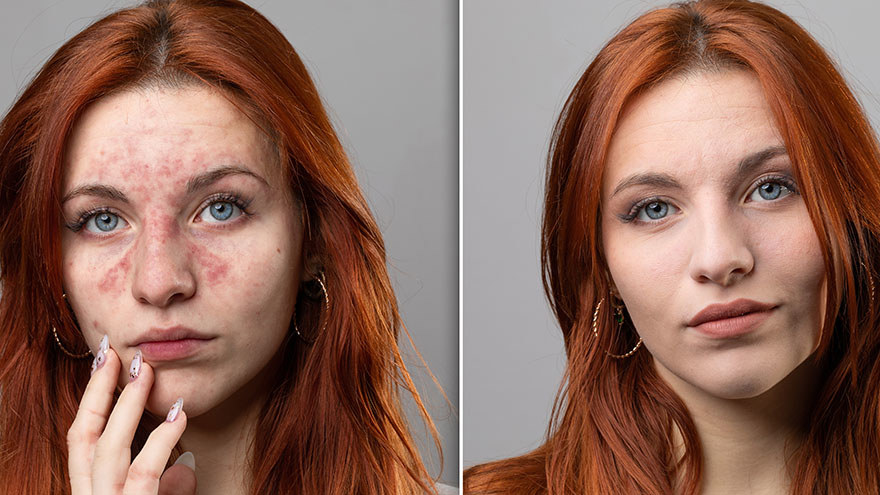
Understandably, patients often worry: “Will my redness get worse before it gets better?” Here’s a realistic timeline:
During treatment: Most vascular laser sessions involve mild tingling or heat. Potenza treatments are performed with topical anesthesia for comfort.
Immediately after: Temporary swelling, pinkness, or pinpoint bruising may appear but usually resolves within 1–3 days.
After a series: Redness begins to fade progressively, often noticeable after the second or third session.
Long-term maintenance: Redness is not a “one-time cure.” Just as regular dental cleanings keep teeth healthy, annual touch-up sessions help preserve vascular clarity and prevent new vessel formation.
The takeaway is that redness can be managed and controlled — but expecting a single miracle session often leads to disappointment. Consistency and professional oversight deliver the most natural, lasting improvements.
Our Perspective from Gangnam
Gangnam is often at the heart of Korea’s beauty culture. Patients here set high standards for skin clarity and brightness, and even subtle redness can feel like a barrier to confidence. Many patients tell us they avoid social gatherings or rely on thick foundation layers simply because they fear visible flushing.
What we’ve observed clinically is that early intervention makes a dramatic difference. Patients who treat redness at the first signs — whether post-acne marks or mild rosacea — often maintain calmer, clearer skin for years. On the other hand, those who delay treatment sometimes develop permanent vascular changes that are much harder to reverse.
It’s also worth noting that patients from abroad, who visit Delight Dermatology in Gangnam, often express surprise at how common redness is in Korea. The truth is that our lifestyle — frequent hot saunas, spicy cuisine, alcohol consumption, and high pollution levels — makes redness particularly prevalent. Recognizing these triggers and combining professional treatments with lifestyle adjustments gives the best long-term results.
Taking the Next Step
If you’ve been living with persistent redness — whether from rosacea, broken capillaries, acne scars, or a sensitive skin barrier — know that safe and effective options exist. The key difference lies in precision: choosing the right device, the right settings, and the right supportive care for your unique skin profile.
At Delight Dermatology in Seocho-gu, Gangnam, our trusted team combines Mayo Clinic-level expertise with advanced technologies like V-Beam, Excel V, Potenza, and Thermage. We don’t believe in one-size-fits-all treatments; instead, we create personalized programs that aim not just to mask redness but to restore healthier, calmer, and more resilient skin.