Personalized dermatology care in Gangnam, Seoul
en-US

Targeting Scars: Treatment Options for a Smooth Skin
Discover effective scar treatment options for smoother skin. Learn about top remedies and techniques for reducing scars and achieving flawless skin.
Introduction
Scars are a natural part of the healing process. Whether caused by an injury, surgery, or skin condition like acne, scars can significantly impact one's appearance and confidence. The good news is that there are a variety of treatments available to minimize scar visibility and achieve smooth skin. The effectiveness of these treatments depends on the type, age, and location of the scar, as well as the overall skin health of the individual.
In this comprehensive guide, we explore different treatment options for scars, their mechanisms, and what to expect from each approach. Whether you're dealing with an old scar or a recent injury, you'll find valuable insights into how to smooth your skin and reduce the appearance of scars.
Topical Treatments: First Line of Defense
Topical treatments are often the first option for treating scars because they are non-invasive, relatively affordable, and easy to apply at home. These products work by moisturizing the skin, promoting healing, or even lightening the scar tissue over time. Here’s a closer look at some of the most common topical treatments.
Silicone Gel Sheets or Silicone Gel
Silicone-based treatments are considered one of the most effective ways to treat scars. Silicone gel sheets or silicone gel are applied directly over the scar and are designed to create a barrier that traps moisture while also encouraging the skin to heal. These treatments can flatten, soften, and smooth raised scars. Clinical studies have consistently shown that silicone products can significantly improve the appearance of both hypertrophic scars (raised scars) and keloids (overgrown scars).
Mechanism: Silicone helps to hydrate the skin and create an optimal environment for scar healing. It also reduces the production of collagen that can make scars prominent.
How to Use: Apply silicone sheets or gel daily to the scar and leave them in place for several hours, ideally 12–24 hours a day. It’s important to be consistent for the best results, as it may take several months to see significant improvements.
Hydrocortisone Cream
Hydrocortisone is a corticosteroid that helps reduce inflammation and redness. It’s most effective for scars that are inflamed or for those caused by conditions like eczema, psoriasis, or acne. By decreasing inflammation and preventing further skin irritation, hydrocortisone creams can help flatten scars and reduce their visibility over time.
Mechanism: Hydrocortisone helps to reduce inflammation, which in turn reduces redness and swelling. This is particularly useful for scars that are still healing or have become inflamed.
How to Use: Apply a thin layer of hydrocortisone cream on the affected area once or twice daily. Be cautious not to overuse this treatment, as prolonged use of topical steroids can thin the skin and potentially worsen scarring.
Vitamin E
Vitamin E has long been associated with skin healing and scar reduction. Many people use it in the hopes of improving the appearance of their scars, though the scientific evidence supporting its efficacy is mixed. Vitamin E is an antioxidant, meaning it can help neutralize free radicals that cause skin damage, promoting skin regeneration.
Mechanism: Vitamin E supports tissue regeneration, helping the skin recover from scars by encouraging healthy cell turnover. It may also help lighten dark or discolored scars.
How to Use: Apply vitamin E oil or cream directly to the scar. This can be done once or twice daily for several weeks. Some people also choose to cut open a vitamin E capsule and apply the oil inside directly to the scar.
Onion Extract (e.g., Mederma)
Onion extract is a common ingredient in over-the-counter scar treatments like Mederma. Research has suggested that onion extract can help reduce redness, swelling, and inflammation, which are common characteristics of scars. It’s particularly effective for reducing the appearance of newer scars, especially those from cuts or burns.
Mechanism: The active compounds in onion extract have anti-inflammatory and antimicrobial properties, which can help speed up healing and reduce scar formation.
How to Use: Apply onion extract gel to the scar once or twice daily. It is generally recommended to continue this for at least 3–6 months for optimal results.
Chemical Peels: Exfoliating Away Imperfections
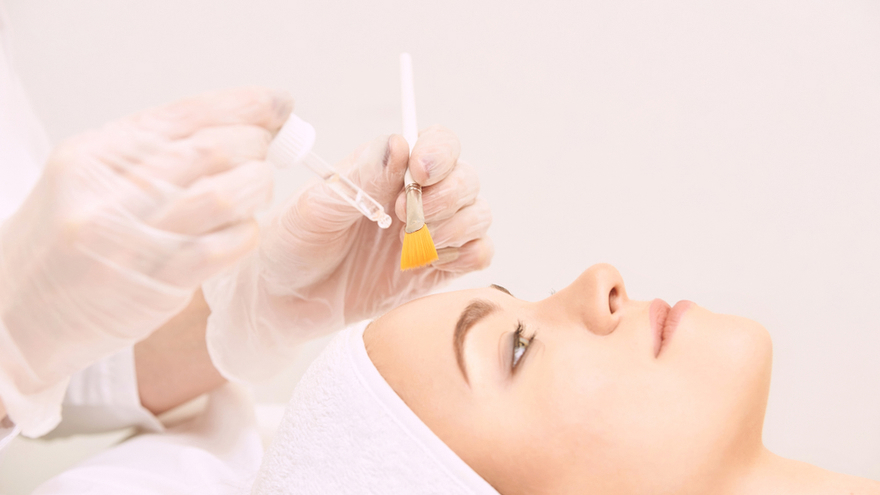
Chemical peels use acid-based solutions to exfoliate the outer layers of the skin. The new, regenerated skin that forms in response to the peel is often smoother and more even in tone. This treatment is especially effective for superficial scars such as those caused by acne or sun damage.
Mechanism: A chemical solution is applied to the skin, which causes the top layer to peel off. This process encourages new skin cells to form, reducing the appearance of scars and uneven skin tone.
Types of Peels: There are three main types of chemical peels:
Superficial Peels: These are the mildest type, often using alpha-hydroxy acids (AHAs) to target the outermost layer of skin. They are effective for fine lines and light scarring.
Medium Peels: These use trichloroacetic acid (TCA) to penetrate deeper into the skin and can treat moderate scarring.
Deep Peels: The most aggressive option, deep peels (e.g., phenol peels) work at a deeper level and are often used for more severe scars.
How to Use: Chemical peels are typically performed in a dermatologist's office, although lighter peels may be available over-the-counter. Results vary depending on the depth of the peel and the scar type, but several treatments may be necessary.
Microneedling: Stimulating Collagen Production
Microneedling involves using a device with fine needles to create tiny punctures in the skin. These micro-injuries stimulate the body’s natural healing process and encourage collagen and elastin production, which helps to improve the texture and appearance of scars.
Mechanism: The tiny needles create controlled damage to the skin, which encourages the skin to heal and regenerate. As a result, scar tissue breaks down, and new, smoother skin forms.
How to Use: Microneedling is typically done by a licensed professional, though at-home devices are available. A series of sessions spaced a few weeks apart is often recommended for the best results.
Laser Treatments: High-Tech Scar Removal
Laser treatments have revolutionized scar treatment by offering precision, minimal downtime, and effective results. Lasers can be used to reduce the appearance of both raised and depressed scars. There are two main types of lasers: ablative and non-ablative.
Ablative Lasers (e.g., CO2 Laser)
Ablative lasers remove the outer layers of skin and encourage the formation of new, smoother skin. These lasers are particularly useful for deep scars, such as those caused by trauma or surgery. CO2 lasers, in particular, are effective at reducing the appearance of severe scarring.
Mechanism: The laser targets the skin’s surface, vaporizing the top layers to reveal fresh, healthy skin underneath. It also stimulates collagen production to help with skin regeneration.
How to Use: Ablative lasers are performed in a dermatologist's office. Healing time can vary, with some patients experiencing redness or swelling for several weeks following treatment.
Non-Ablative Lasers (e.g., Fractional Laser)
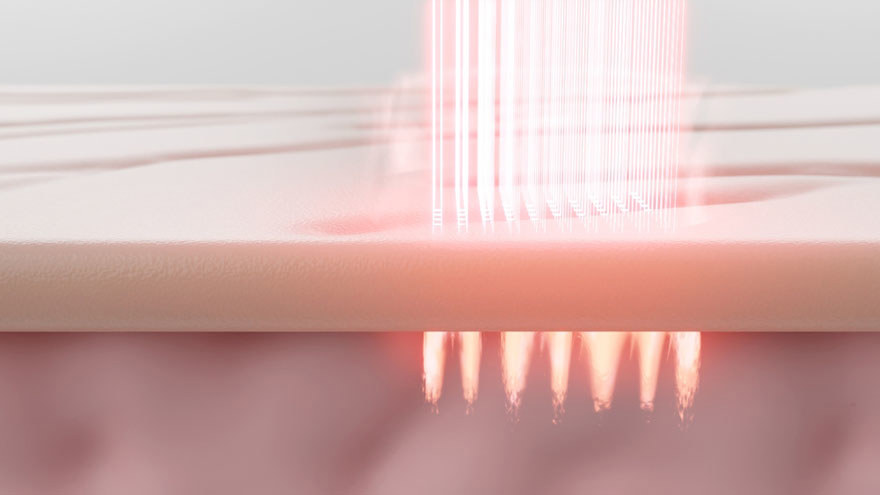
Non-ablative lasers are less invasive and don’t remove the skin’s surface. Instead, they work by heating the underlying skin tissue, which stimulates collagen production and improves the appearance of scars over time. Fractional lasers are a popular option for acne scars, surgical scars, and discoloration.
Mechanism: Non-ablative lasers target the deeper layers of the skin without affecting the surface. The treatment creates micro-injuries that promote collagen formation, which helps to smooth and improve the texture of scars.
How to Use: Non-ablative lasers are generally well-tolerated with minimal downtime, making them a good option for people with busy lifestyles. Several treatments may be needed to achieve optimal results.
Filler Injections: Restoring Volume to Depressed Scars
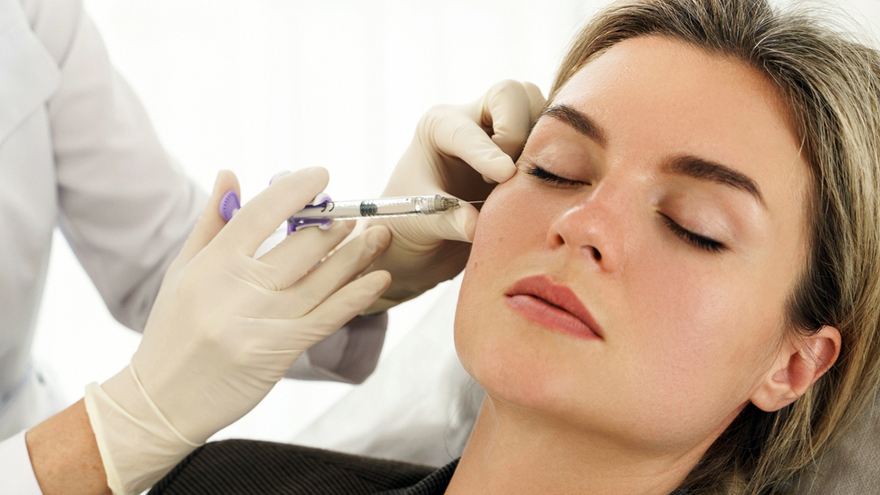
Depressed scars, such as those left by acne, can create uneven skin texture that’s difficult to correct with topical treatments alone. Dermal fillers can be injected into the skin to restore lost volume and smooth the surface of the skin.
Mechanism: Filler injections involve introducing substances like hyaluronic acid or collagen into the skin, which plump up depressed areas and create a smoother surface. The treatment works immediately, though it may need to be repeated every 6–12 months, depending on the type of filler used.
How to Use: Dermal fillers are injected by a licensed professional. The procedure is quick, and results are often noticeable right away.
Steroid Injections: Flattening Raised Scars
Steroid injections are a common treatment for hypertrophic scars and keloids, which tend to grow larger than the original wound. These injections can help flatten the scar, reduce redness, and prevent further scar tissue formation.
Mechanism: Steroids, such as triamcinolone, help to reduce collagen production and inflammation in the scar tissue, leading to a flatter, less noticeable scar.
How to Use: Steroid injections are performed by a healthcare provider, and multiple sessions may be necessary for optimal results.
Surgical Removal: For Severe Scars
In cases of severe scarring, surgical removal may be the best option. This involves excising the scar tissue and then carefully stitching the skin back together. The goal is to create a less noticeable scar by using specialized techniques to minimize the appearance of the new scar.
Mechanism: Surgeons use precise techniques to remove scar tissue and re-close the wound in a way that minimizes scarring. This approach is often used for large scars or those that are functionally restrictive.
How to Use: Surgical scar removal is done under local anesthesia in a clinic or surgical setting. Healing time varies, and there may still be a small scar where the incision was made.
Platelet-Rich Plasma (PRP) Therapy: Accelerating Healing
Platelet-rich plasma therapy (PRP) involves drawing a small amount of blood, processing it to concentrate the platelets, and then re-injecting it into the skin. The growth factors in the platelets can accelerate healing and promote the production of collagen and elastin, which helps improve the appearance of scars.
Mechanism: PRP uses your body’s own healing properties to repair damaged tissue and promote smoother skin.
How to Use: PRP therapy is typically performed in a dermatologist’s office and may require several treatments to achieve noticeable results.
Massage Therapy: Breaking Down Scar Tissue
Massage is a simple but effective method for helping to break down scar tissue. Scar massage can help prevent scars from becoming too tight and can promote better circulation, which encourages healing.
Mechanism: Regularly massaging the scar tissue helps to soften and flatten it over time, preventing it from becoming overly stiff or raised.
How to Use: Massage the scar gently with a moisturizing lotion or oil once or twice a day. This technique is especially beneficial for newer scars.
Natural Remedies: Gentle and Healing
Some people prefer to treat their scars with natural remedies, which can be gentle on the skin while offering healing benefits.
Aloe Vera: Known for its soothing properties, aloe vera can help reduce inflammation and promote skin regeneration, especially for burns and small cuts.
Honey: Honey is a natural humectant, which means it helps the skin retain moisture. It can also promote healing and reduce scar formation when used consistently.
Lemon Juice: Contains natural acids that may help lighten scars, but it can also increase skin sensitivity to the sun, so be sure to use sunscreen when applying lemon juice.
Conclusion
Treating scars to achieve smooth, healthy skin is possible with the right approach. Depending on the type of scar you have—whether raised, indented, or discolored—there are numerous treatments to explore. For optimal results, consider consulting with a dermatologist to identify the best option tailored to your skin type and the nature of your scar.
By combining medical treatments, home remedies, and consistent care, you can work towards smoother, more even skin, and boost your confidence in your appearance.