Personalized dermatology care in Gangnam, Seoul
en-US

The Role of Antioxidants in Skin Care and Protection
Discover how antioxidants boost skin health, fight aging, and protect against damage. Explore top ingredients and benefits. Learn more today!
Introduction
By Delight Dermatology Clinic — Seocho-gu, Gangnam, Seoul
If you’ve ever felt that your skin looks dull or older than you feel — despite sunscreen, moisturizers, and “good habits” — you’re not alone. One of the most common sentiments our dermatologists hear at Delight Dermatology Clinic is:
“I’m doing everything right, so why does my skin still look tired?”
Very often, the answer comes back to one invisible factor we rarely notice in daily life: oxidative stress. And this is where antioxidants step in as one of the most science-backed, aging-preventive pillars of dermatology.
Antioxidants sound trendy — something you see splashed on beauty labels or K-beauty serums — but in dermatology, they are far from a buzzword. They are essential tools we lean on daily in clinical practice, especially in a city like Seoul where UV exposure, pollution, stress, and lifestyle factors constantly challenge the skin.
Let’s break down what antioxidants truly do for skin health, how they work, and why patients who integrate them into a dermatologist-guided routine often notice brighter, calmer, more resilient skin over time.
Why Oxidative Stress Is the “Silent Aging Accelerator”
Every day, your skin is under attack by free radicals — unstable molecules generated by UV radiation, fine dust pollution, heat, alcohol, blue light, inflammation, and even emotional stress.
To visualize it, imagine your skin’s collagen network like a beautifully woven tapestry. Free radicals act like microscopic scissors, snipping away at the fibers one by one.
Over time, oxidative stress contributes to:
Pigmentation (sunspots, melasma, post-inflammatory hyperpigmentation)
Collagen breakdown (wrinkles, laxity, loss of firmness)
Dullness and uneven tone
Redness and inflammation
Slower skin healing
Exacerbation of acne and sensitivity
Many of our patients are surprised when we explain this:
Sun damage isn’t just sunburn — it’s the ongoing oxidative injury happening underneath the surface, even on cloudy days.
This is why antioxidants are indispensable. They stabilize these free radicals before they can do harm, almost like an automatic fire extinguisher built into your skincare routine.
What Exactly Are Antioxidants in Skin Care?

Antioxidants are compounds that neutralize free radicals. Your skin naturally produces some antioxidants on its own, but environmental stress in modern city life often overwhelms these defenses.
Topical antioxidants — applied through serums or creams — step in as an external shield.
Some of the most studied and effective ones include:
Vitamin C (L-ascorbic acid)
Vitamin E (tocopherol)
Niacinamide (Vitamin B3)
Resveratrol
Ferulic Acid
Green Tea Polyphenols (EGCG)
Coenzyme Q10
Glutathione
Astaxanthin
Each works differently, but they share a common goal:
protecting your cells, your collagen, and your long-term skin integrity.
At Delight Dermatology Clinic, antioxidants are not an add-on. They are built into anti-aging, pigmentation, and skin recovery treatment plans because they accelerate and sustain the improvements we deliver through procedures.
How Antioxidants Protect the Skin (The Medical Explanation — Simplified)
When we talk about antioxidants with patients, we avoid textbook jargon. Instead, we use analogies that make sense in daily life.
Here’s the simplest way to understand it:
1. They neutralize free radicals
Think of a free radical as a spark landing on dry grass.
Antioxidants are the water that stops the spark from turning into a wildfire.
This protects:
collagen fibers
cellular DNA
melanocyte stability
the lipid barrier
inflammatory pathways
2. They prevent and reduce pigmentation
What many patients in Gangnam overlook is how much pigmentation is actually driven by inflammation.
Heat. Stress. UV. Acne. Lasers done too aggressively.
Antioxidants calm melanocyte overactivity, which helps prevent:
melasma flare-ups
new sunspots
post-inflammatory dark marks after breakouts
This is one reason we often prescribe vitamin C or niacinamide to patients undergoing pigmentation management programs.
3. They stabilize collagen and improve elasticity
Collagen loss isn’t just aging — it’s oxidative degradation.
Antioxidants:
protect fibroblasts (collagen-producing cells)
enhance skin firmness
reduce wrinkle formation
improve treatment results from Thermage, Ulthera, and Potenza
4. They strengthen the skin barrier
A healthy barrier means:
less water loss
less sensitivity
less redness
better resilience during tretinoin or laser programs
5. They speed up recovery after dermatology treatments
This is something we see every week in clinic.
Patients using antioxidants properly before and after procedures:
heal faster
experience less inflammation
maintain their results longer
It’s subtle but significant — antioxidant-prepared skin handles treatments more gracefully.
The Most Powerful Antioxidants for Skin: Dermatologist-Backed
Let’s look at the ones with the strongest clinical evidence and how we use them in real practice.
Vitamin C — The Gold Standard
If antioxidants were a family tree, vitamin C is the “firstborn” everyone talks about.
Why? Because it’s:
a brightening agent
a collagen booster
a pigmentation stabilizer
a UV-protection enhancer
one of the few antioxidants proven to improve fine lines
Vitamin C’s most famous strength is the “double shield” effect when paired with sunscreen — reducing UV-induced damage beyond what sunscreen alone can achieve.
At Delight Dermatology Clinic, we often recommend it for:
early pigmentation care
dull skin
prevention programs for patients in their 20s–30s
pre-laser brightening protocol
But here’s what many people don’t know:
not every skin tolerates pure L-ascorbic acid well, especially sensitive or rosacea-prone patients common in Korea.
For those individuals, derivatives like SAP or MAP — or alternative antioxidants like EGCG — work beautifully.
Niacinamide — The Calm, Reliable Multitasker
While vitamin C gets the spotlight, niacinamide is the supportive friend who consistently gets things done.
It helps:
reduce redness
strengthen the barrier
regulate oil
fade pigmentation
minimize sensitivity
improve fine lines indirectly through barrier support
Patients with acne, eczema tendencies, or sensitivity often do exceptionally well with niacinamide.
Green Tea Polyphenols (EGCG) — The Anti-Inflammation Powerhouse
In Korea, where environmental pollution and fine dust fluctuate dramatically, EGCG is a dermatology favorite.
It reduces oxidative stress and lowers inflammation — a combination that benefits:
acne
redness
sensitivity
melasma
aging skin under UV stress
In our clinic, EGCG is frequently used in recovery protocols post-laser or RF treatments.
Resveratrol & CoQ10 — The “Mature Skin” Allies
These excel at:
evening skin tone
supporting elasticity
providing environmental protection
Patients in their late 30s–50s appreciate how these antioxidants give a subtle firmness and glow that feels “clean and natural,” not shiny or oily.
Glutathione — The Brightening Specialist
Glutathione is well-known in Korea for its pigment-reducing properties.
Topically, it’s supportive but mild.
In clinic procedures, however, it plays a strategic role in calming pigmentation-prone skin and preventing rebound.
Can Antioxidants Replace Sunscreen? (A Common Misunderstanding)
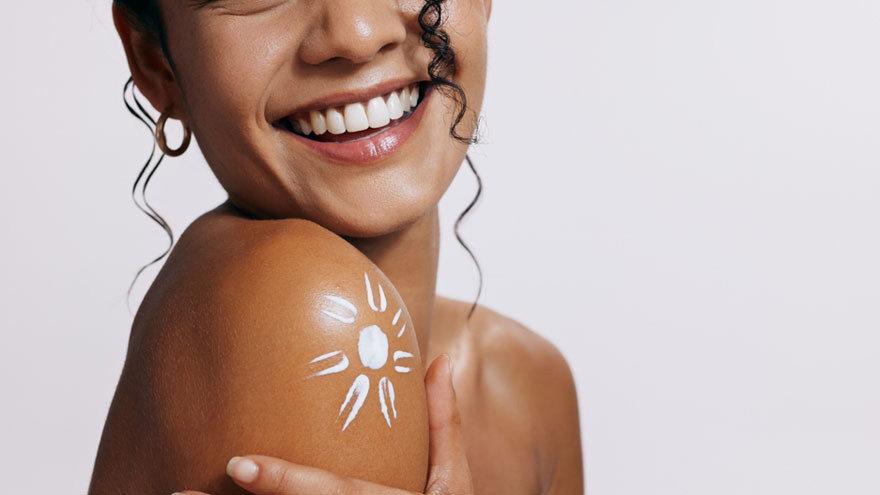
To be honest, this is one of the first questions we get from patients who dislike heavy or sticky sunscreens.
The clear answer is: No, antioxidants cannot replace SPF.
Sunscreen blocks or absorbs UV wavelengths.
Antioxidants reduce the cellular damage after UV gets through.
They work together, like:
a helmet (sunscreen)
plus an airbag (antioxidant)
One prevents the accident.
The other softens the blow.
How to Use Antioxidants in a Daily Routine
If you’re wondering where antioxidants fit into your skincare order, here’s the general sequence we recommend:
Morning
Gentle cleanser
Antioxidant serum
Moisturizer
Sunscreen
Vitamin C and niacinamide in the morning help offset environmental stress throughout the day.
Evening
Antioxidants like niacinamide, EGCG, and CoQ10 pair well with:
retinoids
exfoliating acids
barrier repair moisturizers
For patients undergoing anti-aging programs, evening antioxidants help maintain stability and prevent irritation.
Who Benefits the Most from Antioxidant Skincare?
While everyone can benefit from antioxidant protection, certain groups see dramatic improvements:
Patients battling pigmentation, melasma, or uneven tone
Individuals with sensitive or redness-prone skin
Those with early aging concerns
Patients using retinoids, lasers, or energy-based devices
Busy professionals with high stress or pollution exposure
People who spend significant time outdoors or driving
Many Gangnam-area patients tell us their skin feels “less reactive” and “more stable” after several weeks of consistent antioxidant use — a sign that the barrier and fibroblasts are functioning more efficiently.
Antioxidants and Dermatology Treatments: The Synergy
One of the biggest misconceptions is that antioxidants are only for home skincare.
In reality, antioxidants are integral to several treatment paths at Delight Dermatology Clinic, especially:
Pigmentation therapy
Thermage, Ulthera, and Potenza for collagen stimulation
Acne scar remodeling
Redness and inflammation management
Laser toning and brightening courses
When the skin is preconditioned with antioxidants:
recovery is smoother
pigmentation risk decreases
redness fades faster
collagen remodeling improves
results last longer
It’s similar to preparing the soil before planting — the treatment takes root more effectively.
What Many Patients Get Wrong About Antioxidants
As dermatologists, here are patterns we commonly see:
1. Using too many products at once
More isn’t better.
It often leads to irritation and decreased absorption.
2. Choosing unstable vitamin C serums
Many oxidize quickly — turning orange or brown — becoming ineffective.
3. Relying only on influencers or trends
Your skin’s needs are unique, especially in Korea’s climate and lifestyle patterns.
4. Expecting overnight results
Antioxidants are about long-term resilience, not instant transformation.
5. Using antioxidants during active irritation without guidance
Certain forms can sting or worsen sensitivity.
This is why dermatologist-level selection and timing matter.
Do You Need Professional Guidance for Antioxidants?
Not always — but for specific concerns, it makes a remarkable difference.
You’ll benefit from dermatologist guidance if you have:
melasma or pigmentation that keeps returning
dullness that doesn’t improve with over-the-counter serums
sensitivity or redness
acne with lingering dark spots
interest in anti-aging with natural-looking results
plans for lasers, Thermage, Ulthera, or Potenza
At Delight Dermatology Clinic, we customize antioxidant routines based on:
Fitzpatrick skin type
pigmentation activity
barrier strength
lifestyle
upcoming treatments
skin goals (e.g., glass-skin radiance, firmness, pore refinement)
This ensures you get results without irritation — and that your antioxidants support your overall skin strategy.
A Gentle Reminder from Our Clinic
If there’s one takeaway we hope you remember, it’s this:
Antioxidants are not a trend. They are a quiet, consistent defender of your skin’s future.
In a fast-paced, appearance-conscious community like Gangnam — where UV exposure, screen time, stress, and pollution are everyday realities — antioxidants are essential in maintaining healthy, confident, age-resistant skin.
And when integrated thoughtfully into a dermatologist-led program, they can help:
brighten your complexion
reduce pigmentation
soften early aging
calm inflammation
boost treatment outcomes
preserve long-term skin health
If you’ve been struggling with persistent pigmentation or early signs of aging, consider starting with a personalized antioxidant plan through a trusted dermatology clinic.
Ready to Understand What Your Skin Really Needs?
If you’re unsure which antioxidants fit your skin — or you’ve tried several without seeing results — a tailored consultation can help.
At Delight Dermatology Clinic, we combine global training, advanced aesthetic devices, and Korea’s most refined skincare sensibilities to create individualized programs that protect, restore, and elevate your skin.
You’re welcome to visit Delight Dermatology Clinic in Seocho-gu, Gangnam for a private consultation and personalized antioxidant strategy that supports your long-term skin confidence.