Personalized dermatology care in Gangnam, Seoul
en-US

The Role of Diet in Skin Health and Healing
Discover how diet impacts skin health and healing. Explore key nutrients for clearer skin and faster recovery. Learn more for a radiant glow!

Introduction

By Delight Dermatology Clinic, Seocho-gu, Gangnam, Seoul
A patient once told us, half-jokingly, “My skin knows when I’ve been eating tteokbokki.” To be honest, she wasn’t entirely wrong. What we eat — and how consistently we nourish our bodies — has a profound effect on how our skin behaves, heals, and ages.
At Delight Dermatology Clinic in Gangnam, we see this every week. Patients come in frustrated by dull tone, lingering redness after laser treatments, or recurring acne — and sometimes, the missing piece isn’t another cream or device, but nutrition.
While many people in Korea focus heavily on topical care, the reality is that your skin’s true foundation is built from within. Diet plays a vital role in how the skin renews, repairs, and defends itself — influencing everything from post-procedure healing to long-term anti-aging.
Let’s explore how diet truly shapes skin health and recovery — and what practical choices can help you maintain balanced, resilient skin.
Skin: The Mirror of Internal Health
Your skin is not an isolated surface. It’s a living, breathing reflection of your internal state — from hormones to digestion, hydration, and micronutrient status.
Just as stress can manifest as acne or inflammation, nutritional imbalances often appear as dryness, dullness, or delayed wound healing. Dermatologically speaking, the skin relies on a constant supply of amino acids, essential fats, vitamins, and antioxidants to maintain its natural repair cycle.
Think of your skin as a luxury fabric. Without strong threads (proteins), rich pigments (antioxidants), and proper finishing (healthy lipids and hydration), that fabric weakens and fades. The same applies to your complexion — when your internal “materials” are lacking, even the most advanced skincare products can only do so much.
Nutrients That Matter Most for Skin
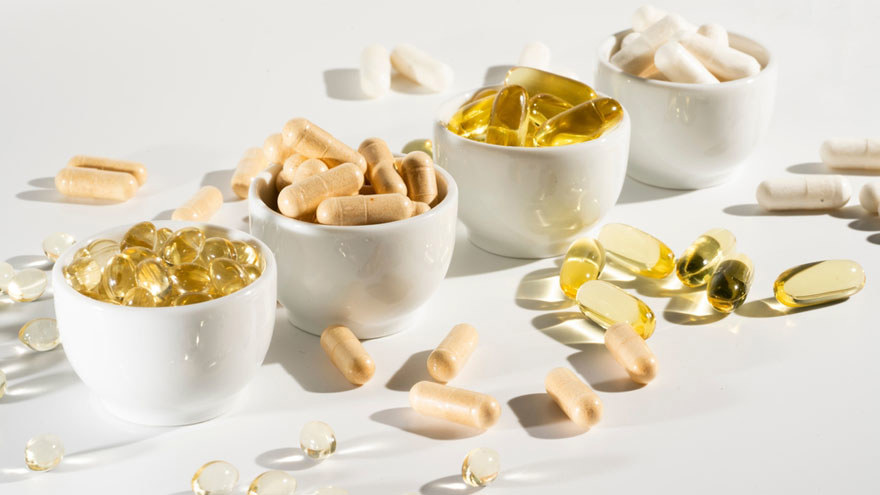
1. Protein — The Building Blocks of Regeneration
Every cell in your skin — from collagen fibers to keratin — is made of protein. After treatments such as laser toning, Potenza microneedling, or Ulthera lifting, your skin undergoes controlled micro-injury that requires collagen rebuilding.
Amino acids like glycine, proline, and lysine are crucial for that repair. When protein intake is inadequate, patients often experience slower recovery, fragile capillaries, and less visible improvement from collagen-stimulating procedures.
Dermatologist’s note: Patients who follow high-stress or low-protein diets for weight loss frequently show reduced elasticity and slower wound closure after treatments.
How to optimize:
Include lean meats, fish, tofu, legumes, and eggs in your meals, especially during pre- and post-procedure weeks. Even simple habits — like adding an egg to breakfast or grilled fish to dinner — can strengthen your skin’s regeneration capacity.
2. Vitamin C — The Collagen Activator and Brightening Ally
Vitamin C is essential for converting pro-collagen into mature, stable collagen fibers. Without it, collagen synthesis slows down, leading to sagging, dullness, and delayed scar recovery.
Beyond collagen, vitamin C also functions as a potent antioxidant that neutralizes free radicals from UV exposure and pollution — both major contributors to premature aging and pigmentation.
Many Korean patients take vitamin C intermittently, often stopping after a few weeks. But dermatologically, consistency is more important than dosage. Regular intake keeps your skin’s repair processes active and supports even-toned, glowing skin.
Best sources: Citrus fruits, kiwi, bell peppers, broccoli, and — for those sensitive to acidity — yellow paprika or strawberries.
Pro tip from Delight Dermatology: Combining dietary vitamin C with topical application (such as vitamin C ampoules used in post-laser care) can amplify skin brightening and healing results.
3. Omega-3 Fatty Acids — The Barrier Protectors
The skin barrier — your body’s natural shield — depends on a healthy lipid layer. Omega-3 fatty acids, particularly EPA and DHA, help maintain this layer and regulate inflammation at the cellular level.
When the diet lacks omega-3s, the skin may become rough, inflamed, or overly reactive to procedures. Conversely, adequate omega-3 intake improves elasticity, reduces redness, and enhances tolerance to treatments like Thermage or RF rejuvenation.
Clinical insight:
In patients with acne or rosacea, increasing omega-3 intake often helps reduce inflammatory flare-ups and support clearer, calmer skin.
Good sources: Salmon, sardines, mackerel, flaxseed oil, walnuts, and chia seeds.
4. Zinc and Selenium — The Repair and Defense Minerals
Zinc is a trace mineral vital for skin healing, sebum balance, and immune defense. It plays a direct role in keratinocyte proliferation — the process of forming new skin cells after injury.
Selenium, meanwhile, protects against oxidative damage, helping the skin recover more smoothly after laser or peel treatments. Deficiency in these minerals can lead to prolonged redness, acne-prone skin, or poor post-procedure outcomes.
Dermatologist’s note: At Delight Dermatology, we often screen for nutritional factors when treating patients with chronic acne or slow healing. Correcting low zinc levels alone can significantly enhance overall treatment response.
Best sources: Oysters, beef, eggs, mushrooms, sunflower seeds, and whole grains.
5. Antioxidants — The Anti-Aging Shield
Every day, UV rays and pollution generate “free radicals” — unstable molecules that damage collagen and DNA. Antioxidants are your body’s natural defense, neutralizing these radicals and slowing visible aging.
Polyphenols, carotenoids, and flavonoids found in colorful fruits and vegetables act as internal sunscreen, reducing oxidative stress and supporting a brighter, even complexion.
Key foods: Blueberries, green tea, spinach, tomatoes, and carrots.
A diet rich in antioxidants can visibly improve radiance — something our patients often describe as a “lit-from-within” glow.
The Korean Diet Advantage (and Its Pitfalls)
Traditional Korean cuisine provides a strong foundation for skin-friendly nutrition. Fermented foods like kimchi and doenjang are natural sources of probiotics that support gut balance, which directly influences skin health. Vegetables such as perilla leaves, radish greens, and mushrooms offer fiber, minerals, and phytochemicals that aid detoxification and reduce inflammation.
However, modern Korean eating habits sometimes undermine these benefits. Frequent consumption of spicy street foods, fried items, and late-night convenience meals can trigger low-grade inflammation and stress the skin barrier.
What many Gangnam patients overlook is that repeated exposure to spicy, salty, or instant foods can worsen facial redness, rosacea, or post-laser sensitivity.
Better choices for city lifestyles:
Opt for brown rice over white, minimize processed meats, hydrate well between coffee servings, and balance every meal with at least one colorful vegetable. Small adjustments can create visible differences in tone and texture within weeks.
Diet and Skin Healing After Dermatologic Treatments
At Delight Dermatology Clinic, we approach every procedure — from acne scar revision to anti-aging rejuvenation — with a focus on holistic recovery. Nutrition plays a critical role in this.
Before treatments:
Eat balanced meals with adequate protein, iron, and hydration.
Avoid alcohol, processed sugar, and high-sodium foods for 48 hours.
Incorporate antioxidant-rich foods like berries or green tea to prime your skin’s defense system.
After treatments:
Focus on lean protein, omega-3s, and vitamin C to accelerate collagen remodeling.
Hydrate frequently — skin cells regenerate faster when well-hydrated.
Avoid inflammatory foods such as refined sugar, excessive dairy, or fried dishes.
Patients who follow these nutritional guidelines often report shorter downtime, smoother recovery, and enhanced treatment results.
The Hidden Role of Gut Health
Emerging research supports what dermatologists have long suspected — the gut-skin axis is real. The health of your gut microbiome directly affects inflammation, immune regulation, and even pigmentation.
When the microbiome is imbalanced (due to antibiotics, stress, or poor diet), inflammatory conditions like acne, eczema, and rosacea often worsen.
Practical ways to support gut-skin balance:
Eat fermented foods (kimchi, yogurt, kefir, or miso).
Include prebiotics like onions, garlic, and bananas.
Limit refined sugars that feed harmful bacteria.
At our clinic, patients who consistently maintain gut balance often show fewer inflammatory episodes and steadier, more even skin tone — even between treatments.
What About Collagen Drinks and Supplements?
This is one of the most common questions we hear in Gangnam: “Do collagen drinks really work?”
The short answer is yes — but moderately, and only with long-term consistency. Hydrolyzed collagen peptides are absorbed as amino acids, which can stimulate fibroblasts (the cells responsible for collagen production). Clinical studies have shown improved skin elasticity and hydration after 8–12 weeks of use.
However, collagen drinks are not miracle cures. Think of them as nutritional support — providing building blocks your skin can use, especially when combined with in-clinic collagen stimulators like Ulthera, Thermage FLX, or Potenza RF microneedling.
Dermatologist tip: Pairing collagen supplementation with vitamin C enhances collagen cross-linking and results in firmer, smoother skin over time.
Lifestyle Synergy: Diet, Stress, and Sleep
Even the best diet can’t outdo chronic stress or insufficient sleep. Elevated cortisol — the stress hormone — breaks down collagen, increases oil production, and delays healing.
Practicing mindful eating, avoiding late-night meals, and maintaining a regular sleep schedule all help regulate these hormonal effects.
Remember, your skin regenerates most actively between 10 p.m. and 2 a.m. — the “beauty sleep” window when collagen synthesis peaks. Missing that rest repeatedly can undo the benefits of an otherwise healthy routine.
When to See a Dermatologist
If your skin doesn’t seem to respond despite dietary improvements — or if you’re struggling with recurring acne, stubborn pigmentation, or slow post-laser recovery — it’s time to consult a dermatologist.
Professional evaluation can uncover hidden factors like nutrient deficiencies, hormonal shifts, or chronic inflammation. At Delight Dermatology Clinic, we combine medical-grade skin analysis with tailored nutritional and procedural guidance to create a comprehensive skin wellness plan.
Our board-certified dermatologists, trained both in Korea and abroad, emphasize not just visible beauty but long-term skin health — helping each patient understand how their daily habits shape their results.
A Final Thought
Healthy, luminous skin isn’t achieved through one miracle product or superfood. It’s built through consistent, balanced nourishment — both inside and out.
If you’ve been battling persistent dullness, pigmentation, or slow recovery after cosmetic procedures, consider a personalized skin program that integrates medical dermatology, advanced devices, and nutritional insight.
At Delight Dermatology Clinic in Seocho-gu, Gangnam, our team — led by Mayo Clinic–trained dermatologist Dr. Yun Sang Youl and skin rejuvenation specialist Dr. Shin Hui Young — guides patients toward radiant, resilient skin from the inside out.
By harmonizing science-based treatment with lifestyle optimization, we help you not only heal beautifully but maintain that healthy glow for years to come.