Personalized dermatology care in Gangnam, Seoul
en-US

The Role of Peptides in Skin Health and Rejuvenation
Discover how peptides boost skin health, reduce signs of aging, and enhance rejuvenation. Learn their benefits for a youthful, radiant complexion.
Introduction
By Delight Dermatology Clinic – Seocho-gu, Gangnam, Seoul
When patients walk into our clinic asking about the “next big thing” in anti-aging skincare, peptides are one of the first ingredients they mention. Some heard about them from a beauty influencer; others spotted them in a high-end cream at the duty-free counter. And to be honest, the curiosity makes sense — peptides occupy a unique space between cosmetic trend and real dermatological science.
Yet what many patients in Gangnam overlook is this: peptides are not a magic ingredient, but they can act like skilled messengers inside the skin, encouraging healthier function and more resilient aging — when chosen and used correctly.
At Delight Dermatology Clinic, our trusted team (led by Mayo Clinic–trained dermatologist Dr. Yun Sang Youl and cosmetic dermatology specialist Dr. Shin Hui Young) sees firsthand how peptides behave in real skin, not just in textbooks. And the truth is more interesting — and more practical — than marketing slogans.
What Exactly Are Peptides — and Why Do They Matter for Skin?
Peptides are short chains of amino acids, the same building blocks that make up our skin’s proteins — collagen, elastin, and keratin. Think of them as fragments of the skin’s architectural blueprint.
A useful analogy we often share with patients:
If collagen is the concrete of your skin’s structure, peptides are like the mini blueprints that tell the builders how to repair and rebuild.
Depending on their structure, peptides can:
Stimulate collagen production
Improve barrier function
Reduce inflammation
Enhance wound healing
Signal the skin to behave in a healthier, younger way
Unlike whole proteins, peptides are small enough to penetrate the upper layers of the skin — which is why they appear in moisturizers, ampoules, and medical-grade products.
Why Korean Patients Are Especially Interested in Peptide Skincare
Gangnam patients, in particular, pursue firmness, clarity, and naturally youthful contours. Aging here is not about erasing expression, but about keeping the skin’s “inner scaffolding” strong enough to maintain a lifted, hydrated, refined look — what many call the modern Korean version of “glass skin.”
Peptides align perfectly with this philosophy because they promote quiet, steady regeneration rather than dramatic overnight changes.
Patients who:
struggle with early laxity in their 30s
experience dullness from chronic screen time
want to maintain results from Ulthera, Thermage, or Potenza
have sensitive skin that cannot tolerate strong retinoids
often benefit from peptide-based routines as a daily support system.
The Science: How Peptides Support Skin Rejuvenation
1. Collagen-Stimulating Peptides (Signal Peptides)
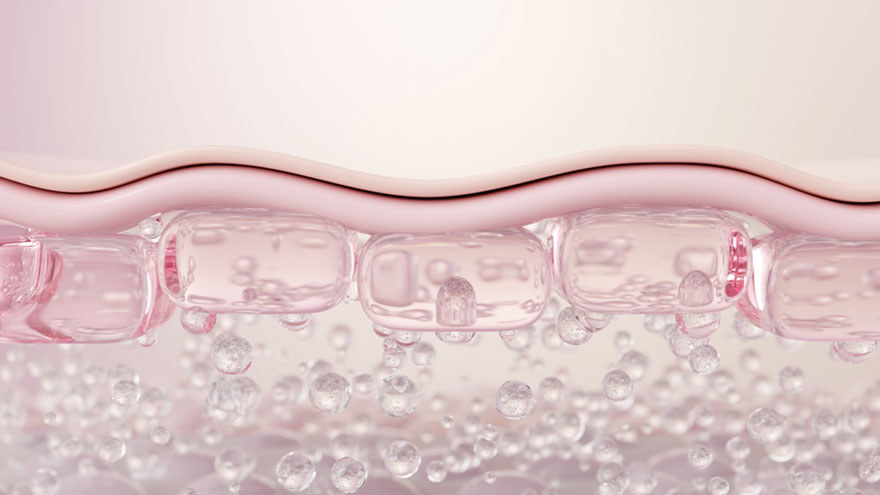
These peptides “speak” to fibroblasts — the cells that manufacture collagen — like sending a gentle reminder:
“We need more support here. Start rebuilding.”
Common examples include Palmitoyl pentapeptide-4 (Matrixyl) and tripeptide complexes.
In practice, we notice these peptides help:
soften fine lines
maintain elasticity between energy-based tightening treatments
improve overall skin density, especially in patients in their late 30s to 50s
One insight we often share:
Peptides alone won’t replace high-energy devices, but they significantly enhance long-term maintenance — the part many patients overlook in anti-aging care.
2. Barrier-Reinforcing Peptides
Peptides like ceramide-associated peptides or short-chain lipid peptides help repair the skin barrier. This is essential for Korean patients who often use active ingredients, wear masks frequently, or live in Seoul’s fluctuating seasonal climate.
A stronger barrier means:
fewer breakouts
reduced redness
improved moisture retention
better tolerance to retinoids or brightening agents
Barrier peptides are especially helpful before a series of laser toning, Mela Peel, or pigmentation treatments, as stabilized skin responds more predictably with fewer side effects.
3. Neurotransmitter-Inhibiting Peptides (Peptide “Relaxers”)
These are sometimes marketed as “topical Botox-like peptides,” such as acetyl hexapeptide-8.
To be honest, patients often misunderstand them. They do not freeze muscles, but they may slightly reduce overactive micro-contractions in the skin, making expression lines appear softer.
They’re most helpful for:
early forehead creases
preventive care in young adults
long-term smoothing between actual botulinum toxin treatments
We recommend them for patients who prefer subtle, natural expressions or who are anxious about injectables.
4. Antioxidant and Anti-Inflammatory Peptides
These peptides help neutralize oxidative stress — the invisible damage caused by UV exposure, stress, lack of sleep, pollution, and blue light.
In our practice, they’re particularly valuable for:
rosacea-prone skin
post-acne redness
patients undergoing multiple laser sessions
those with pigmentation sensitivity
Reducing inflammation is crucial in Korea, where PIH (post-inflammatory hyperpigmentation) is one of the most common frustrations for darker Fitzpatrick skin types common among East Asians.
How Peptides Fit Into a Realistic Skin Routine
Many patients ask, “Do I need a peptide serum, cream, or both?” Our honest answer: it depends on your skin goals.
For Anti-Aging Maintenance
Peptide serum in the morning (light texture, layers well under sunscreen)
A richer peptide cream at night
For Pigmentation or Acne-Prone Skin
Use non-comedogenic peptide formulas
Combine with vitamin C or niacinamide, but avoid layering too many actives simultaneously
For Sensitive or Barrier-Compromised Skin
Choose multi-ceramide peptide moisturizers
Keep the routine minimal until the skin stabilizes
For Patients on Ulthera, Thermage, or Potenza Programs
Peptides act like a nutritional support system, enhancing collagen remodeling and sustaining firmness. Patients who use peptides consistently often report that their tightening results feel more stable over time.
What Many People Get Wrong About Peptides

1. Expecting Fast, Dramatic Results
Peptides work slowly — they build foundations, not instant transformations. Think months, not days.
2. Using Too Many Peptide Products at Once
More is not better. Overloaded formulas may cause congestion or irritation.
3. Believing All Peptides Are Equal
Some peptides have strong clinical data; others exist mostly for marketing. A dermatologist can help you distinguish meaningful formulations from cosmetic noise.
4. Using Peptides With Harsh Exfoliants
A compromised barrier cannot properly utilize peptides. Balance matters.
Peptides in Professional Dermatology Treatments
At Delight Dermatology Clinic, peptides appear not only in at-home routines but in medical treatments:
Post-Laser Recovery Ampoules
We use peptide-enriched repair solutions after fractional lasers or pigment lasers to speed healing and reduce redness.
Microneedling / Potenza Infusion
Peptide complexes can be delivered into deeper layers of skin, acting like a structural boost to the collagen remodeling process.
Custom Anti-Aging Programs
Patients undergoing energy-based tightening benefit from peptide-focused skincare that supports long-term firmness.
One behind-the-scenes insight we often notice:
Patients who commit to peptide-supported maintenance experience more stable, natural-looking lifting effects, especially in the lower face and under-eye area.
Who Benefits Most From Peptide Skincare?
Individuals in their late 20s to 40s beginning preventive anti-aging
Patients in their 50s and 60s seeking firmer, more hydrated skin
Sensitive-skin patients who cannot tolerate retinoids
Those undergoing laser, RF microneedling, or tightening treatments
Anyone struggling with long-term pigmentation or redness
Men seeking low-maintenance but effective routines
Peptides are incredibly versatile — they’re one of the few ingredients that can suit almost every skin type when used correctly.
Choosing the Right Peptide Product: Dermatologist Tips
When we guide patients at Delight Dermatology, we evaluate:
1. Peptide Concentration
Higher isn’t always better — quality and stability matter more than raw percentage.
2. Delivery System
Look for liposomal or encapsulated peptides, which improve absorption.
3. Supporting Ingredients
Hydrators (hyaluronic acid, squalane) or barrier ingredients (ceramides) help peptides work more effectively.
4. Compatibility With Your Routine
Your daily environment, makeup habits, lifestyle stress, and laser schedule all influence which formula suits you best.
Peptides vs. Retinoids vs. Vitamin C — Which Should You Choose?
Patients often feel pressured to pick “the best” ingredient. But each plays a different role:
Retinoids accelerate cell turnover and boost collagen
Vitamin C brightens and protects
Peptides support reconstruction, healing, and resilience
The best routines integrate all three — customized to skin type and tolerance.
At Delight Dermatology, we often build routines where peptides offset the irritation of stronger actives, helping patients maintain consistent use.
What to Expect When Starting a Peptide Routine
Within 2–4 weeks:
improved hydration
softer texture
calmer skin
Within 8–12 weeks:
smoother fine lines
more even tone
improved bounce and elasticity
At 3–6 months:
visibly firmer skin
better maintenance of device-based lifting results
Consistency truly matters. Peptides reward patience.
When Peptides Alone Are Not Enough
If you’re noticing:
deep nasolabial folds
moderate jowling
pronounced pigmentation patches
long-standing acne scars
then peptides can support the process, but they cannot replace professional treatments.
This is where technologies like Ulthera, Thermage FLX, Potenza, pico lasers, and tailored pigmentation programs become essential — all of which we offer at Delight Dermatology Clinic.
Peptides act as long-term allies, not miracle workers.
The Delight Dermatology Philosophy: Peptides Are Partners, Not Performers
From our experience caring for Gangnam residents, executives, artists, and international patients, we’ve learned one universal truth:
Beautiful skin doesn’t come from one treatment or one ingredient — it comes from strategic, continuous care.
Peptides are one of the most elegant tools we have for supporting that journey. They fit naturally into the Korean philosophy of steady improvement and offer a gentle yet scientifically grounded way to nurture youthfulness.
If you’re curious whether peptides could help with your concerns — whether dryness, early aging, pigmentation, or sensitivity — a personalized consultation is the best place to begin.
Considering Peptide Skincare? Visit Delight Dermatology Clinic in Seocho-gu
If you’ve been struggling with ongoing pigmentation, loss of firmness, or sensitivity — or if you want to build a preventive anti-aging routine — our dermatologists can help you choose the right peptide approach.
We specialize in:
personalized skin programs
advanced energy-based lifting
pigmentation control
acne and scar care
medically guided skincare routines
Our clinic brings together global training and refined aesthetic sensibility to create results that look natural, confident, and uniquely you.
Book a private consultation at Delight Dermatology Clinic — where science meets artistry, and your long-term skin health becomes our shared mission.