Personalized dermatology care in Gangnam, Seoul
en-US

The Role of Stem Cells in Skin Regeneration
Discover how stem cells aid skin regeneration, boost healing, and combat aging. Explore the science behind youthful, healthy skin. Learn more today!
Introduction
By Delight Dermatology Clinic — Seocho-gu, Gangnam, Seoul
When patients walk into our clinic asking, “Is stem cell skincare really worth it?” what they’re usually expressing is something deeper — a desire for skin that can heal, regenerate, and age more gracefully. In Gangnam, where people often pursue the ideal of luminous, elastic “healthy vitality,” stem cells have become a hot topic. But the truth is far more nuanced than marketing slogans or miracle-cream promises.
At Delight Dermatology Clinic, we approach stem-cell-based therapies with both scientific precision and a deep respect for natural, safe skin rejuvenation. This article explains what stem cells actually do in skin regeneration, why they matter, and where they fit into modern aesthetic dermatology.
What Stem Cells Actually Are — and Why Your Skin Depends on Them
Your skin is one of the few organs that must constantly renew itself. Every day, we lose thousands of epidermal cells and rely on our internal stem cell reservoirs to create new ones. Stem cells are essentially the “master builders” — undifferentiated cells capable of:
Self-renewal: continuously replicating
Differentiation: transforming into specialized skin cells such as keratinocytes or fibroblasts
Think of them as the quiet architects behind the scenes. Even when we sleep, these cells are actively repairing micro-injuries from UV light, pollution, and inflammation.
But — and this is the part many patients don’t realize — stem cells decline sharply with age. By the time we reach our 40s or 50s, our stem cell activity can be less than half of what it was in our youth. This loss is one of the key reasons skin becomes thinner, slower to heal, and more prone to wrinkles, pigmentation, and laxity.
How Stem Cells Drive Skin Regeneration
1. Repairing Daily Micro-Damage
Stem cells respond to signals released by injured skin cells. When UV exposure or inflammation causes micro-damage, stem cells migrate to the site and begin generating new, healthy cells. It’s similar to a construction crew rushing in to fix cracks before they widen.
2. Regenerating Collagen and Elastin
While epidermal stem cells create new surface cells, mesenchymal stem cells (MSCs) influence deeper structures. They release growth factors that encourage fibroblasts to build fresh collagen — the very protein that keeps skin firm.
3. Modulating Inflammation
This is one of the less discussed but most important functions. MSCs naturally reduce inflammatory responses and help balance immune activity. For people struggling with chronic issues like acne, rosacea, or post-inflammatory pigmentation, this calming effect is crucial.
4. Accelerating Wound Healing
Stem cells are the reason the skin can heal from lasers, microneedling, or controlled thermal energy treatments. When we perform procedures like Potenza or fractional laser therapy at the clinic, part of the magic lies in stimulating your body’s own stem cells to rebuild a smoother, more even texture.
Why Stem Cells Decline — and How That Impacts Your Skin
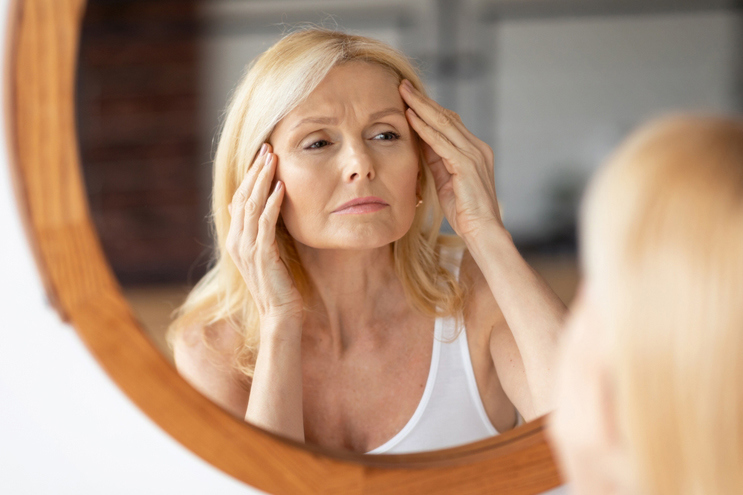
To be honest, most of the patients we meet in their 30s and 40s assume aging is only about collagen loss. But underneath it all is a deeper problem: the stem cell pool shrinks each year, and the remaining cells become sluggish.
Factors accelerating this decline include:
Chronic UV exposure (very common in Korea due to outdoor lifestyles)
Poor sleep and stress
Persistent inflammation from acne or atopic skin
Smoking or high-sugar diets
Hormonal shifts in women during their 40s
When stem cell activity drops, regeneration slows. Healing takes longer. Pigmentation lingers. Fine lines settle in more stubbornly. Even “tired-looking skin” — that dull, uneven look many Gangnam patients describe — is often tied to weakened stem cell signaling.
Do Topical Stem Cell Products Actually Work?
This is one of the biggest areas of misunderstanding.
Human stem cells cannot survive in topical products.
What most cosmetic creams contain are stem cell extracts or conditioned media — essentially the growth factors and peptides released by laboratory-cultured stem cells.
These ingredients can help:
Reduce inflammation
Encourage cellular repair
Improve barrier recovery
But they do not replace your own stem cells or create new ones.
Patients often come in after trying dozens of “stem cell creams” with minimal change, and we remind them gently: topicals can support the skin environment, but they cannot perform true regeneration on their own.
In Korean dermatology, the best results come from combining regenerative procedures with supportive home care, not relying solely on cosmetics.
Medical Stem Cell Therapies: What’s Real and What’s Not
At Delight Dermatology Clinic, we follow strict safety and regulatory standards. That means avoiding unproven or risky stem cell injections — something unfortunately still marketed in parts of Asia.
Here’s a realistic breakdown of what is actually beneficial.
1. Growth Factor & Stem Cell Conditioned Media Procedures
These are used during laser or microneedling treatments. The microchannels created help these regenerative proteins penetrate deeper, enhancing healing and reducing downtime.
This is especially helpful for:
Acne scars
Pigmentation recovery
Fine lines
Dull texture
Patients often describe the results as “fresher, softer, more even.”
2. Platelet-Rich Plasma (PRP)
PRP is not stem-cell therapy, but it activates your own stem cells. When applied after procedures, it sends strong signals to kickstart regeneration. PRP’s popularity in Gangnam is well deserved, especially for improving tone and elasticity.
3. Energy Devices That Stimulate Stem Cells
This is where our clinic’s expertise truly shines. Treatments like:
Thermage FLX
Ulthera
Potenza RF microneedling
…work partly by triggering tissue repair pathways that awaken dormant stem cells. Think of these devices as “strategic alarms” that remind your skin to repair itself more vigorously.
4. Autologous Fat Transfer with Stromal Vascular Fraction (SVF)
While this is more common in plastic surgery clinics, it involves using one’s own adipose-derived stem cells to improve texture and volume. We do not currently offer SVF-specific injections due to regulatory limitations, but understanding it helps patients interpret what they see online.
The Science Behind Stem Cell Signaling in Aesthetic Treatments
One thing many marketing materials forget to mention is that stem cells rarely work alone. Their power lies in the signals they release — chemokines, peptides, and growth factors that guide tissue repair.
During procedures like fractional CO₂, Moxi, or Potenza, we see three key effects:
Controlled injury creates a regenerative “demand”
The moment micro-injuries occur, stem cells receive SOS signals.Stem cells migrate and differentiate
They begin generating fresh keratinocytes, fibroblasts, and endothelial cells.Remodeling phase (weeks to months)
This is when collagen thickens, scars smooth, and tone improves.
Many patients worry if results will “fade quickly,” but the truth is that regenerative improvements can last much longer because they reflect structural changes — not superficial ones.
What Many Patients in Gangnam Overlook About Stem Cells
Two patterns we see repeatedly in clinic:
1. Overusing At-Home Devices
Many young professionals in Seoul use home microneedling rollers or laser gadgets, hoping to “stimulate stem cells daily.” Unfortunately, overuse causes:
Inflammation
Barrier disruption
Pigmentation (especially in Asian skin types)
Professional treatments are controlled, precise, and tailored to your skin’s biology — not a one-size-fits-all stimulation.
2. Expecting Stem Cell Treatments to Replace Core Anti-Aging
Even the best regenerative therapies cannot replace:
Sunscreen
Proper barrier care
Maintenance treatments every 3–6 months
Think of stem cell activation as a pillar of anti-aging, not the entire structure.
Who Benefits Most from Stem-Cell-Based Dermatologic Treatments?
From our experience, these patients see the most dramatic improvements:
1. Patients with chronic pigmentation
Melasma, post-inflammatory hyperpigmentation, and sunspots all improve when inflammation is controlled and regenerative processes are strengthened.
2. Acne scar patients
Scar remodeling relies heavily on fibroblast and stem cell activation. Combining Potenza with growth factors is one of our clinic’s most effective protocols.
3. Patients in their 30s–50s experiencing early aging
This is the stage when stem cell decline becomes noticeable:
Laxity around jawline
Uneven texture
Fine lines around eyes
Slower healing
Stem-cell-supportive treatments help restore the “bounce” we often hear patients missing.
4. Patients preparing for or maintaining major treatments
Thermage, Ulthera, and lasers deliver significantly better results when the skin’s regenerative environment is optimized.
How We Integrate Stem Cell Science at Delight Dermatology Clinic
Our approach is gentle, scientific, and individualized — never one-size-fits-all.
Step 1: Detailed Skin Analysis
We evaluate:
Collagen density
Pigmentation patterns
Barrier health
Signs of chronic inflammation
Healing capacity
Understanding your underlying biology helps us choose the right regenerative strategy.
Step 2: Combination Therapy When Appropriate
We often combine regenerative agents with platforms like:
Potenza RF
Ulthera
Thermage FLX
Pico lasers
Fractional resurfacing
This synergy creates far more natural, long-lasting improvements than isolated treatments.
Step 3: Strengthening Home Regeneration
A tailored home-care routine supports stem-cell activity through:
Retinoids or retinaldehyde
Antioxidants
Barrier-repair moisturizers
Gentle exfoliation
We emphasize practicality — no 12-step routines. Just scientifically grounded essentials.
What to Expect: Results, Timeline, and Feel
Patients often describe improvements as:
“My skin heals faster than before.”
“The pigmentation finally stopped coming back.”
“My texture feels tighter, like it’s denser inside.”
“I look more rested — even without makeup.”
Regeneration-based improvements take shape over 4–12 weeks, with collagen remodeling continuing for months.
This slow, steady transformation feels more natural than quick cosmetic fixes — and aligns with our clinic’s belief in subtle, elegant aging.
When Stem Cell Approaches Are NOT Recommended
Despite the hype, stem cell therapies are not ideal for everyone. We avoid regenerative stimulation when patients have:
Active infections
Severe dermatitis
Keloid tendencies
Recent aggressive at-home procedures
Pregnant or breastfeeding status (for certain treatments)
Safety always comes first.
A Realistic, Science-Driven Path to Regeneration
The role of stem cells in skin health is both powerful and often misunderstood. While they are not a miracle cure, they are central to how your skin repairs, rebuilds, and stays youthful.
At Delight Dermatology Clinic, our philosophy is simple:
Enhance your skin’s natural regeneration — don’t overwhelm it. Support stem cell activity through safe, controlled, evidence-based methods.
If you’ve been dealing with slow healing, persistent pigmentation, or early signs of aging, you may benefit from a personalized regenerative plan.
Considering Stem-Cell-Based Skin Rejuvenation?
If you’re exploring treatments that support deeper regeneration, we invite you to visit our clinic in Seocho, Gangnam. With globally trained dermatologists and advanced aesthetic devices, we design programs that respect both science and artistry.
You’re welcome to schedule a private consultation at Delight Dermatology Clinic— or simply ask us your questions. Sometimes clarity alone can be transformative.