Personalized dermatology care in Gangnam, Seoul
en-US

The Science Behind Collagen Induction Therapy
Discover the science behind Collagen Induction Therapy, how it boosts skin renewal, and why it’s a top choice for anti-aging. Learn more today!
Introduction
Written by Delight Dermatology Clinic — Seocho-gu, Gangnam, Seoul
Many patients who visit our clinic share the same quiet worry:
“I didn’t change anything… but my skin suddenly looks tired.”
This moment — often in one’s mid-30s to early 40s — is almost always linked to a deeper biological shift: collagen loss. It happens slowly, almost invisibly, until one day the face seems less firm, makeup doesn’t sit the same, and small lines linger longer than they used to.
Collagen Induction Therapy (CIT) is one of the most studied and trusted treatments for rebuilding this internal support system. In Korea, where the beauty standard emphasizes natural radiance and refined skin texture, CIT has become a cornerstone therapy for patients who want scientific, long-term results without looking “overdone.”
Below is a clear, structured explanation of the treatment — just as we share during private consultations at Delight Dermatology Clinic in Gangnam.
1. What Collagen Induction Therapy Is
Collagen Induction Therapy (CIT) is a medical procedure that uses extremely fine needles — sometimes combined with radiofrequency (RF) energy — to create controlled micro-injuries in the dermis. This triggers the body’s natural repair response and stimulates the production of collagen, elastin, and hyaluronic acid.
In clinical terms, CIT belongs to the family of percutaneous dermal remodeling treatments, a category backed by decades of dermatologic research.
At our clinic, we often describe CIT to patients using a simple analogy:
“Think of your skin as a building supported by internal beams. CIT doesn’t paint the walls — it strengthens the beams.”
CIT Techniques Include:
Microneedling: mechanical stimulation only
RF Microneedling (e.g., Potenza): needles + energy-based heat
Fractional Needling Systems: for more targeted collagen remodeling
Regardless of the device, the principle remains the same: encouraging the skin to rebuild itself in a structured, healthy way.
2. Why Collagen Declines — and Why CIT Matters
Collagen Loss Is Universal
Starting in our mid-20s, natural collagen production decreases by roughly 1% per year. This isn’t noticeable at first — but by the time patients reach their late 30s or 40s, cumulative loss becomes visible.
This collagen decline is accelerated by:
UV exposure (common in Korea due to daily outdoor commuting)
Stress and lack of sleep
Hormonal changes around the mid-30s
Chronic low-grade inflammation
Lifestyle factors such as smoking or dieting cycles
Common Symptoms Patients Notice:
“My pores look bigger.”
“I don’t look tired, but my skin looks tired.”
“My cheeks feel flatter.”
“I suddenly see fine lines around my mouth or under my eyes.”
These concerns are often not about wrinkles alone — they reflect loss of dermal density.
Topical collagen products cannot reach the dermis. Even high-quality Korean serums can only improve the superficial layers. CIT targets the structural layer directly, making it one of the few treatments capable of true internal rejuvenation.
3. How CIT Works (A Simple Scientific Breakdown)
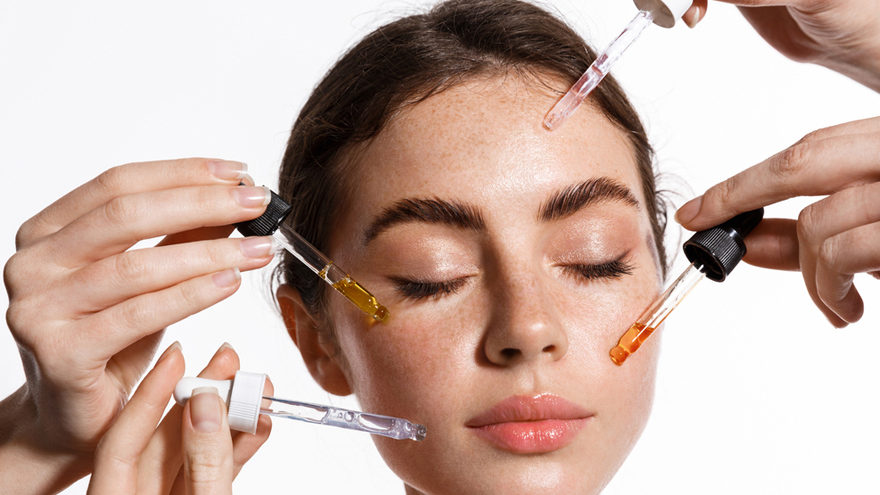
CIT activates the skin’s natural wound-healing process. This process has been well-documented in dermatology literature and involves four key phases.
Phase 1: Micro-Injury (Immediate)
CIT creates tiny, controlled channels in the dermis. These channels are uniform and predictable when performed with medical-grade devices.
This triggers:
Platelet activation
Release of growth factors
Recruitment of immune cells
Many first-time patients are surprised by how minimal the “injury” actually feels when numbed properly.
Phase 2: Inflammation (Days 1–3)
Fibroblasts — the cells responsible for producing collagen and elastin — become activated.
This phase is short-lived but essential. Mild swelling or warmth is a sign that the cascade is underway.
Phase 3: Proliferation (Days 3–14)
During this period, the skin begins actively producing new:
Type I collagen (strength and firmness)
Type III collagen (flexibility and repair)
Elastin (springiness)
Hyaluronic acid (hydration and plumpness)
This is when many patients notice improved texture or a subtle glow — a “skin reset” effect.
Phase 4: Remodeling (Weeks 4–12+)
Collagen fibers reorganize and become thicker, stronger, and more ordered.
This is the true transformation stage.
This is why dermatologists often say:
“CIT results don’t peak in a week — they peak in months.”
4. The Benefits of Collagen Induction Therapy
CIT remains popular among dermatologists because it delivers structural, not superficial results.
Fine Lines & Wrinkles
New collagen fills in creases from the inside, producing natural, subtle improvements.
Firming and Tightening
Especially with RF microneedling, heat stimulates deeper tissue contraction and remodeling.
Acne Scar Improvement
CIT is clinically validated as one of the most reliable treatments for depressed acne scars.
By breaking down old scar tissue and encouraging new collagen formation, texture becomes smoother and more even.
Pore Refinement
Dermal support around the pore tightens, giving the appearance of smaller, more refined pores.
Glow and Texture Renewed
Patients often describe their skin as brighter and more “alive,” even if they didn't have severe texture issues to begin with.
Dermal Thickening
Many patients in their 40s and 50s tell us their skin feels “thin” or fragile.
CIT directly thickens the dermis, improving resilience, elasticity, and overall skin health.
5. CIT vs. RF Microneedling: What’s the Difference?
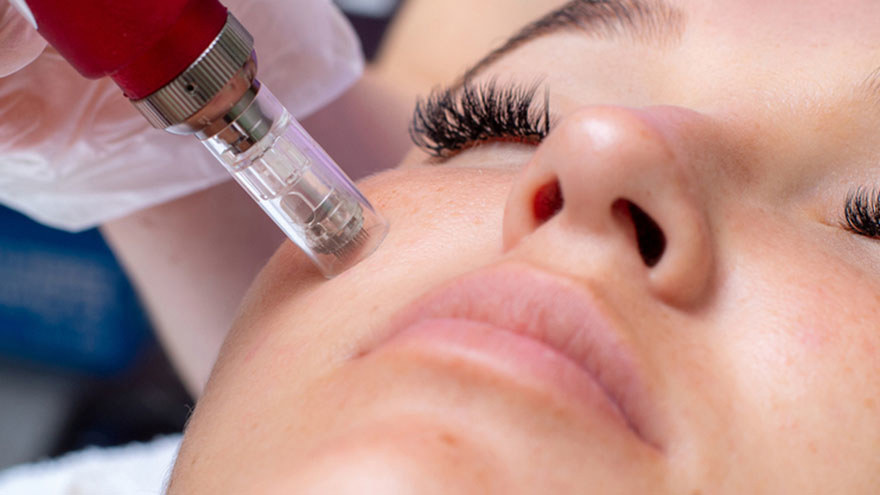
Microneedling
Uses mechanical penetration only
Ideal for: mild texture, pores, early aging
Minimal downtime
Great introductory option for younger patients or treatment-naïve skin
RF Microneedling (e.g., Potenza)
Combines needles with controlled radiofrequency heat
Penetrates deeper layers
Significantly boosts collagen remodeling
Better for: sagging, deeper lines, acne scars, neck laxity
Highly customizable (depth, energy, pulse duration)
At Delight Dermatology, our physicians often recommend Potenza RF microneedling when patients want both rejuvenation and tightening — especially for the jawline, cheeks, and neck. This multimodal approach supports long-lasting improvement.
6. What Most Patients Overlook: Consistency Is Key
One of the biggest misconceptions is that CIT is a “one-and-done” procedure.
In reality:
Collagen improves through repetition, not intensity.
The human dermis responds best to incremental, controlled stimulation, not overly aggressive single treatments.
Our Standard Recommendation:
3 sessions spaced 4–6 weeks apart for foundational improvement
4–6 sessions for acne scars or deeper structural concerns
Maintenance every 6–12 months
This schedule aligns with collagen’s natural production timeline and ensures sustained results.
Why At-Home Devices Fall Short
Patients often ask whether at-home rollers or pens can replace medical CIT.
In short: no.
They are:
too shallow to stimulate significant collagen
often used too frequently, causing irritation
unable to control depth or uniformity
not sterile enough for safe dermal penetration
Professional CIT remains the gold standard for a reason.
7. What to Expect at Delight Dermatology Clinic
1. Personalized Skin Evaluation
Dr. Yun Sang Youl or Dr. Shin Hui Young examines:
dermal thickness
elasticity
pore architecture
scar patterns
pigmentation tendencies
healing capacity
This determines the exact needle depth (which may vary across the face), RF energy settings, and treatment pattern.
2. Topical Numbing (20–40 minutes)
Comfort is essential. Most patients find the treatment surprisingly tolerable due to proper numbing.
3. Tailored Treatment Pass
We adjust:
penetration depth
RF energy
pulse duration
number of passes
treatment density
This level of customization is crucial for natural, safe results.
4. Post-Procedure Care
We apply calming serums, growth factor boosters, or repair complexes to enhance recovery.
5. Downtime
Microneedling: 12–24 hours of redness
RF Microneedling: up to 48 hours of redness/swelling
Mild dryness or flaking may occur around days 3–5
Makeup is usually okay next day
Results continue improving for weeks
Patients often return to normal activities within a day.
8. Who Is an Ideal Candidate?
CIT is suitable for individuals dealing with:
early or moderate wrinkles
loss of firmness or elasticity
enlarged pores
acne scars
rough or uneven texture
thinning skin
neck wrinkles or crepey skin
mild sagging along the jawline
It’s especially popular among patients seeking natural, progressive rejuvenation — not drastic changes.
9. When CIT Is Not Recommended
We avoid or postpone treatment if you have:
active acne or infections
eczema, dermatitis, or psoriasis flares
a known tendency to form keloids
recent tanning or sunburn
pregnancy or breastfeeding (in some RF-based protocols)
Ensuring safety and proper healing is always our top priority.
10. How CIT Fits Into a Holistic Anti-Aging Plan
At Delight Dermatology, we view CIT as part of a layered, long-term strategy rather than a standalone solution.
1. Structure (Collagen, Firmness, Lift)
Potenza RF microneedling
Ulthera
Thermage
2. Clarity (Pigmentation, Brightness)
Laser toning
LaseMD
IPL
3. Hydration & Maintenance
Skin boosters (Rejuran, hyaluronic acid)
Exosomes
Personalized skincare routines
This integrated approach creates results that look refined, natural, and consistent with modern Korean aesthetic preferences.
Final Thoughts from Our Dermatologists
Collagen loss is inevitable — but it is also one of the most scientifically manageable aspects of aging. Collagen Induction Therapy remains one of the safest and most effective methods to rebuild firmness, smooth texture, reduce scarring, and restore a youthful, resilient complexion.
If you’re noticing early sagging, persistent texture issues, or lingering acne scars, a personalized consultation at Delight Dermatology Clinic can help determine whether CIT is right for you. With advanced systems like Potenza, globally trained dermatologists, and a patient-first philosophy, we support you in achieving healthier, stronger, naturally beautiful skin — one thoughtful step at a time.
If you’d like this expanded article adapted for your website, educational materials, or SEO-optimized landing pages, I can format it accordingly.