Personalized dermatology care in Gangnam, Seoul
en-US

Treating Fungal Nail Infections with Dermatological Precision
Discover expert tips for treating fungal nail infections with dermatological precision. Restore nail health effectively—read the full guide now!
Introduction
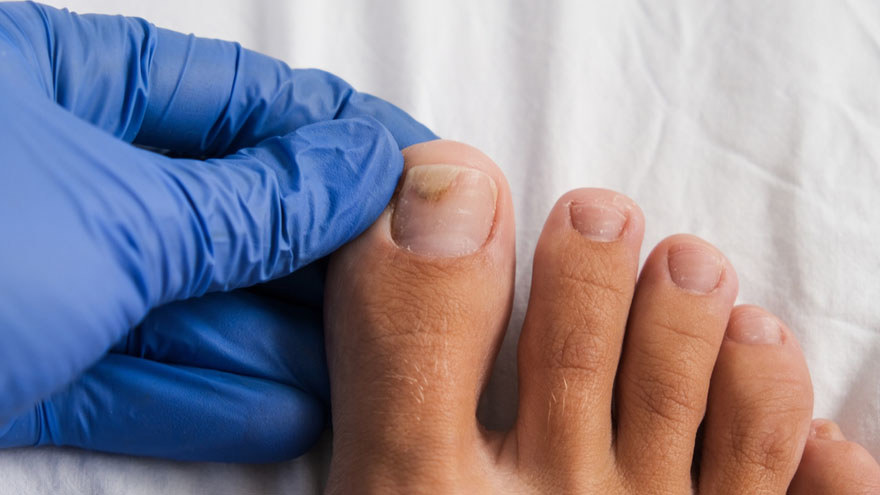
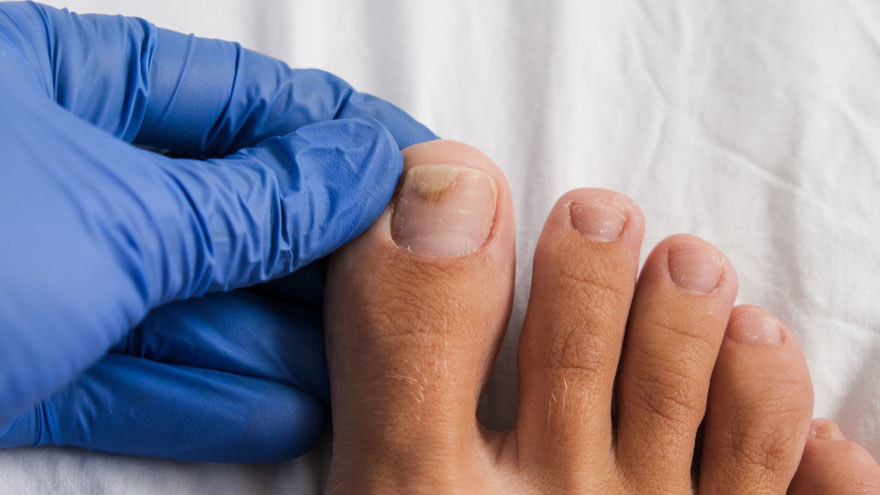
It often begins subtly — a small yellow streak at the tip of your toenail, or a nail that feels thicker than usual. Many patients brush it off as cosmetic, but over time the nail becomes brittle, discolored, and sometimes even painful. This is the story of onychomycosis, more commonly known as fungal nail infection. At Delight Dermatology Clinic in Gangnam, we see patients struggle not just with the physical signs, but also with the embarrassment and frustration that come with persistent nail changes.
What Exactly Is a Fungal Nail Infection?
A fungal nail infection occurs when dermatophytes (the same fungi responsible for athlete’s foot), yeast, or mold invade the nail plate and nail bed. Unlike simple surface issues, these infections burrow deep into the nail structure. Because nails grow slowly and are relatively hard, once the fungi take hold, they are notoriously difficult to eliminate without professional treatment.
The infection often begins at the tip or side of the nail and gradually spreads toward the cuticle. Over time, patients may notice discoloration (yellow, brown, or white), thickened or brittle texture, and sometimes a foul odor. In advanced cases, the nail can detach from the nail bed (onycholysis), causing discomfort when walking or wearing shoes.
In Korea, where foot aesthetics and open footwear are common, fungal nail infections carry an additional layer of social anxiety. Patients often tell us they avoid public baths, saunas, or even sandals, worried that others might notice their nails. Beyond cosmetics, the infection can affect quality of life, making something as simple as a summer trip to Jeju or a day at the jjimjilbang a source of stress.
Why Over-the-Counter Remedies Rarely Work
Many patients try topical antifungal lacquers or home remedies for months, only to feel disappointed. To be honest, the reason isn’t that these treatments are completely useless — it’s that most fungal infections lie beneath the nail plate, where surface treatments cannot penetrate effectively. Imagine trying to water a plant’s roots by sprinkling droplets only on its leaves.
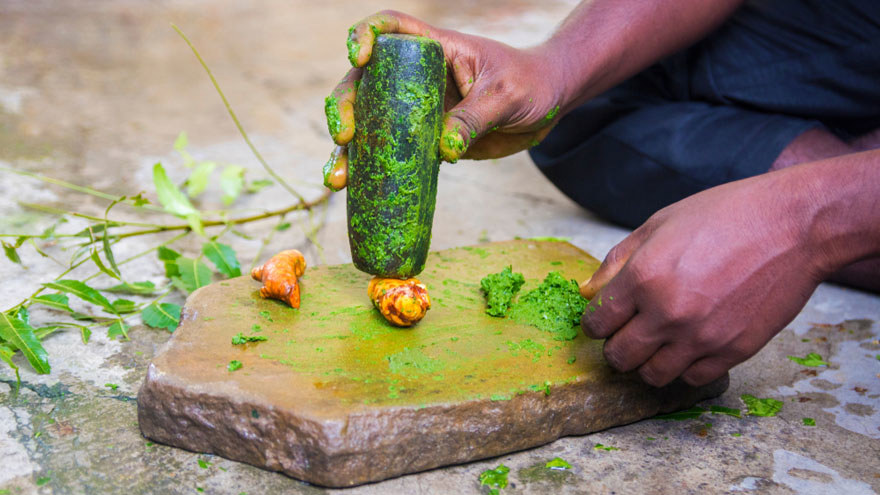
Home remedies like vinegar soaks or essential oils may temporarily soften the nail or mask discoloration, but they don’t eradicate fungi in the deeper layers. By the time patients visit our clinic, they’ve often already spent months or years experimenting with these approaches, only to watch the infection slowly worsen.
Additionally, nails grow slowly. Fingernails take 3–6 months to fully regenerate, while toenails may take 12–18 months. This means that even with proper treatment, visible improvement takes time. It requires persistence and precision to guide the nail through a full, healthy regrowth cycle.
Dermatological Precision: How We Treat Fungal Nails
At Delight Dermatology Clinic, our approach combines medical accuracy with patient comfort. Because every case is slightly different, treatment is always customized. We assess the type of fungus, the severity of infection, and the patient’s overall health before recommending a plan. Here are the most common options:
1. Oral Antifungal Medication
These systemic treatments, such as terbinafine or itraconazole, are often considered the gold standard. They work by circulating through the bloodstream and targeting fungi at the root of the infection. Oral medications have the highest long-term clearance rates but require careful monitoring because they pass through the liver.
At our clinic, we run baseline liver function tests and schedule follow-ups to ensure safety. Patients who are on other medications, such as for hypertension or diabetes, are carefully screened for potential interactions. This is especially important in Korea, where chronic conditions are increasingly common among patients in their 40s and 50s.
2. Topical Therapies — With Assistance
Newer medicated nail lacquers can be effective if combined with adjunctive care. For example, thinning the nail with gentle debridement or a laser session allows the medicine to penetrate better. It’s like sanding wood before applying varnish — preparation matters.
We also educate patients on proper application techniques. Many unknowingly apply the solution only to the surface of the nail, missing the cuticle area and nail edges where fungi often hide. With guidance, topical therapies can serve as excellent adjuncts, especially for patients who cannot tolerate oral medication.
3. Laser Treatment
This is where modern dermatology shines. Devices like the Nd:YAG laser can heat the nail plate and underlying tissue, disrupting fungal growth without harming surrounding skin. Multiple sessions are usually required, and results are gradual, but many patients prefer this option because it avoids systemic side effects and pairs well with topical regimens.
Laser also has the advantage of stimulating nail health by improving local circulation. Patients often notice that their nails look clearer and smoother even before the fungal infection is completely gone.
4. Combination Programs
In practice, single-method approaches often fall short. That’s why we design combination plans — for example, an initial oral antifungal course, followed by laser sessions, and finally a topical maintenance program to reduce recurrence. Think of it as not just putting out the fire, but also fireproofing the building.
We also consider patient lifestyle. For frequent travelers or those hesitant about oral medications, we may rely more on laser and topical regimens. For patients with multiple nails involved, oral therapy is often essential. Precision means adapting the strategy, not applying a one-size-fits-all protocol.
Why Precision Matters in Nail Care
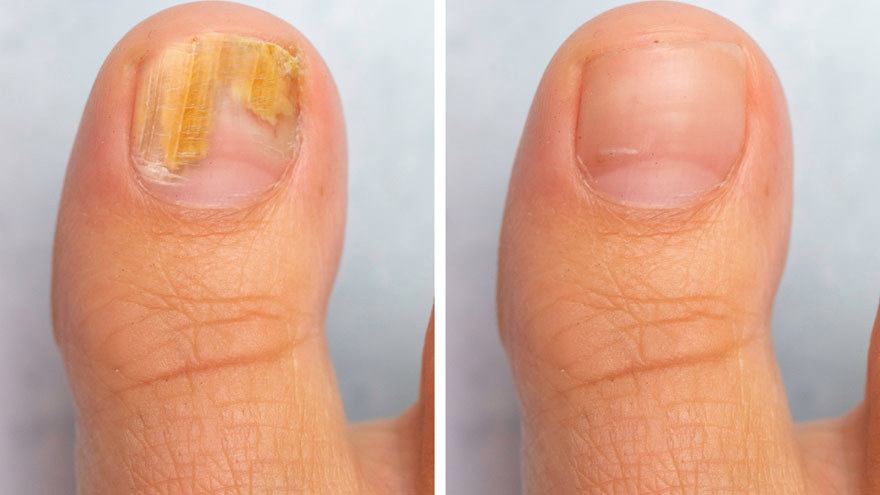
What many patients in Gangnam overlook is that nails are more than a cosmetic accessory. They are functional structures that protect fingertips and toes. Poorly managed fungal infections can spread to other nails, cause ingrown toenails, and even trigger secondary bacterial infections. For diabetic patients, untreated fungal nails can lead to ulcers or more serious complications.
We also consider occupational and cultural factors. Athletes, frequent travelers, and those who often visit saunas or gyms face higher reinfection risks. Office workers who wear tight leather shoes for long hours may also create warm, moist environments ideal for fungal growth. For them, preventive strategies — such as antifungal sprays for shoes, breathable socks, and routine nail care sessions — are just as important as treatment.
Patient Stories: The Emotional Side
We often hear relief in a patient’s voice when their nails finally begin to clear. One middle-aged office worker told us she had avoided summer sandals for five years, ashamed of her toenails. After a year-long program combining oral medication and laser, she returned beaming, proud to show her feet again.
Another patient, a young professional in Gangnam, confessed that he always wore socks at home, even in front of his partner, out of embarrassment. Once his nails began to improve after combination therapy, his confidence returned. These stories remind us that treating fungal nails isn’t just about medicine — it’s about restoring confidence and comfort.
Long-Term Outlook: Maintenance Over Miracles
If you’re wondering whether fungal nail treatment really lasts — you’re not alone. The truth is, recurrence is common if maintenance is ignored. Fungi thrive in environments we can’t completely avoid: gyms, saunas, nail salons, even shared showers at home. That’s why we emphasize long-term nail health, not just short-term clearance.
Maintenance strategies may include:
Regular use of antifungal sprays or powders in shoes.
Keeping nails trimmed and filed.
Wearing breathable socks and alternating footwear.
Scheduling periodic follow-up visits for professional assessment.
To put it simply, fungal nail care is less about a miracle cure and more about strategic management. With the right guidance, clear and healthy nails are achievable — and sustainable.
Taking the Next Step
If you’ve been struggling with thickened, discolored, or brittle nails, don’t dismiss it as a small cosmetic issue. Fungal infections rarely resolve on their own, and the longer they persist, the harder they are to treat. A dermatologist-led program offers both medical accuracy and long-term prevention.
At Delight Dermatology Clinic in Gangnam, we combine global training, advanced devices, and personalized programs to restore nail health with precision. Whether you need oral medication, laser therapy, or a carefully crafted maintenance plan, we provide tailored care in a private, patient-first setting.
Ready to restore confidence in your nails?
Book a consultation at Delight Dermatology Clinic and let us design a precise, effective plan for you. With professional guidance, clear nails — and renewed confidence — are within reach.