Personalized dermatology care in Gangnam, Seoul
en-US

Treating Sun Damage and Protecting Skin
Discover effective treatments for sun-damaged skin and top tips for protection. Restore your glow and prevent future damage—learn more today!

Introduction

It often starts subtly: a few uneven patches on the cheeks, a cluster of freckles across the nose, or a faint roughness that wasn’t there last summer. For many patients visiting Delight Dermatology Clinic in Gangnam, these small changes are early signs of sun damage — the kind that quietly accumulates over years of Seoul’s bright seasons, outdoor activities, and daily commutes.
What’s important to understand is that sun damage isn’t just cosmetic. Ultraviolet (UV) radiation fundamentally alters the skin’s cellular structure. Over time, it weakens collagen, triggers pigmentation irregularities, and accelerates visible aging. Fortunately, modern dermatology offers both effective treatments and preventive strategies to restore and protect sun-exposed skin.
Understanding Sun Damage: What Really Happens Beneath the Skin
When UV rays penetrate the skin, they disrupt its natural equilibrium in several ways:
DNA Damage: UVB rays directly injure the DNA of skin cells, leading to premature aging and, in severe cases, skin cancers. Damaged cells can reproduce abnormally, creating pigmentation and texture irregularities.
Collagen Breakdown: UVA rays penetrate deeper into the dermis, breaking down collagen and elastin — the skin’s supportive “scaffolding.” This leads to fine lines, sagging, and dullness.
Inflammation and Oxidative Stress: Chronic UV exposure generates reactive oxygen species (ROS), which cause inflammation and accelerate the aging process known as “photoaging.”
Pigmentation Activation: UV light stimulates melanocytes (pigment-producing cells), leading to uneven tone, freckles, and melasma.
At Delight Dermatology Clinic, we often explain sun damage as a slow “weathering” of the skin’s architecture. The surface may show spots or dullness, but beneath, the foundation of elasticity and clarity is gradually being eroded.
Visible Signs of Sun Damage
Many patients first notice sun damage as subtle discoloration or textural changes, but its effects can manifest in multiple forms:
Pigmentation and Freckles: Small brown spots or lentigines on the face, chest, or hands are common in Korean patients with fair or combination skin.
Melasma: Larger patches of uneven pigmentation, often deep and hormonally influenced, that worsen with heat and sun exposure.
Fine Lines and Wrinkles: Especially around delicate areas like the eyes, mouth, and forehead.
Dryness and Rough Texture: The skin barrier becomes compromised, leading to dehydration and sensitivity.
Dilated Capillaries (Telangiectasia): Tiny red veins appear on sun-exposed areas such as the cheeks and nose.
Patients are often surprised to learn that indoor exposure through windows or blue light from digital devices also contributes to cumulative UV and oxidative stress.
Reversing the Effects: Proven Dermatological Treatments
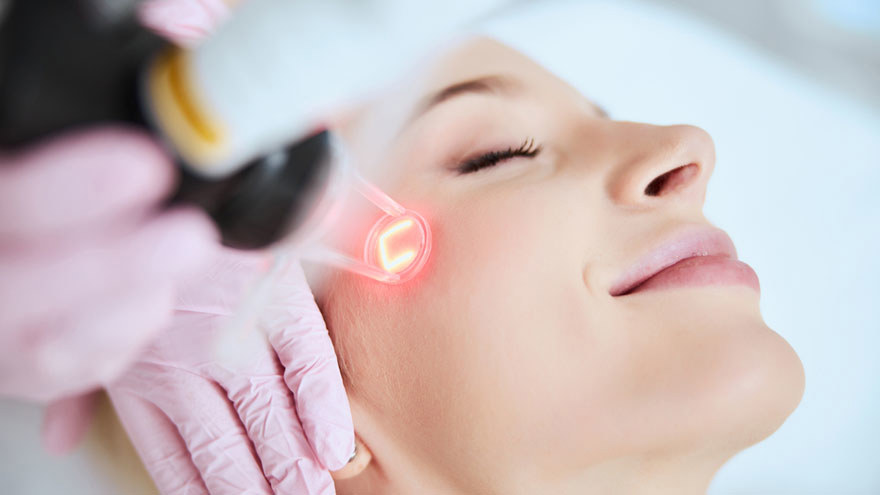
Treating sun damage effectively requires a layered, medically guided approach. At Delight Dermatology Clinic, we combine regenerative treatments, energy-based devices, and clinical skincare to rebuild skin health from within.
1. Laser Pigmentation Treatments
For stubborn sunspots and freckles, devices like Pico Laser or Spectra Laser Toning precisely target melanin clusters without harming surrounding tissue. These treatments gradually lighten pigmentation and even out skin tone over several sessions.
What many patients don’t realize is that pigment cells can “reactivate” under UV exposure. That’s why our clinic always pairs laser sessions with strict photoprotection and maintenance care to prevent recurrence. Each patient’s pigment depth and skin sensitivity are carefully analyzed before selecting the ideal wavelength and pulse duration.
2. Fractional and RF Microneedling (Potenza, Infini)
Sun damage weakens collagen over years. Technologies like Potenza or Infini RF microneedling help rebuild this structural support network by stimulating the skin’s natural repair process. Think of it as reinforcing the scaffolding beneath the surface — leading to smoother, firmer, more resilient skin.
Unlike traditional resurfacing, RF microneedling offers faster healing and can safely be performed year-round, which is particularly beneficial in Korea’s four-season climate.
3. Resurfacing and Brightening Peels
Medical-grade peels, such as TCA (trichloroacetic acid) or Jessner’s formulations, remove damaged surface cells and encourage new, radiant skin to emerge. When customized by a dermatologist, they can fade sun-induced pigmentation, minimize pores, and improve uneven texture.
At Delight Dermatology, our specialists often combine gentle chemical peels with laser toning for a synergistic effect — brightening the complexion without downtime.
4. Regenerative Boosters and Skin Rejuvenation Injections
Treatments such as Rejuran Healer, Nucleofill, and PN-based skin boosters deliver DNA repair factors that actively reverse UV-induced microdamage. These injections improve elasticity and hydration from within — restoring that luminous, “glass skin” quality many Korean patients desire.
Patients in their 30s to 50s often benefit most from these regenerative therapies, as they address both early damage and ongoing collagen loss.
5. At-Home Maintenance with Clinical Skincare
A customized skincare plan is crucial for maintaining results. Our dermatologists often recommend:
Antioxidant Serums (Vitamin C, E, and Ferulic Acid): Neutralize free radicals before they cause visible aging.
Retinoids (Retinol or Tretinoin): Encourage collagen renewal, reduce pigmentation, and smooth uneven texture.
Hydrating Barriers (Ceramides, Hyaluronic Acid, Niacinamide): Strengthen the skin barrier weakened by UV exposure.
Daily Broad-Spectrum Sunscreen (SPF 50+): The single most powerful anti-aging step. Reapply every 2–3 hours, even indoors.
Consistency is key. A well-chosen home routine amplifies in-clinic results and protects your investment in your skin.
Preventing Future Damage: Smart Sun Protection in Daily Life
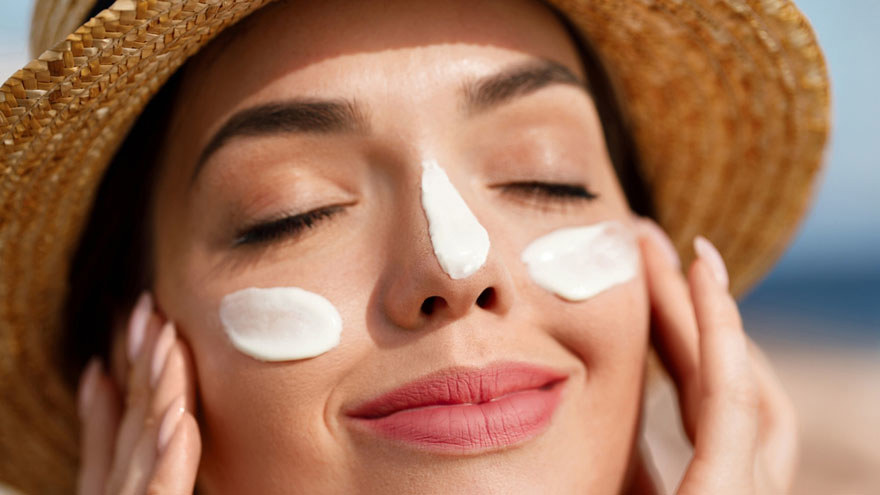
Many Gangnam patients are diligent with sunscreen but overlook a few key habits that make all the difference.
Apply Adequate Amounts: Most adults need about half a teaspoon for the face and neck alone. Too little dramatically reduces protection.
Reapply Frequently: Especially after sweating or using tissue. A light cushion compact with SPF makes midday reapplication effortless.
Use Physical Barriers: Hats, sunglasses, and UV-blocking umbrellas can reduce direct exposure by up to 50%.
Protect Year-Round: UV exposure in winter or on cloudy days can still degrade collagen and pigment balance.
Don’t Forget the Neck and Hands: These areas often reveal age first and deserve the same care as the face.
Supplemental Protection: Oral photoprotectants such as Polypodium leucotomos extract, Vitamin C, or Niacinamide can strengthen internal defenses against UV stress.
For many of our patients, understanding that sun protection is a lifestyle, not a seasonal task, transforms their skin’s long-term health.
The Delight Dermatology Approach: Healing Beyond Aesthetics
At Delight Dermatology Clinic, we believe treating sun damage isn’t just about brightening the skin — it’s about restoring health, resilience, and confidence. Under the guidance of Dr. Yun Sang Youl, a Mayo Clinic–trained dermatologist, and Dr. Shin Hui Young, a specialist in cosmetic rejuvenation, our team crafts individualized treatment plans that balance scientific precision and aesthetic harmony.
To be honest, what many patients in Gangnam overlook is that sun care is not a one-time fix. Even the best laser or peel will lose its impact without consistent maintenance. That’s why our clinic emphasizes education just as much as treatment. We teach patients how to read sunscreen labels, recognize early signs of UV stress, and choose daily skincare that supports lasting results.
Each consultation begins with a thorough skin analysis, including assessment of UV spots, pigmentation depth, and collagen density. From there, we design a holistic plan that may include laser rejuvenation, skin boosters, and advanced photoprotection protocols tailored to the individual’s skin type and lifestyle.
When to Seek Professional Help
If you notice persistent pigmentation, new spots that darken over time, or rough texture that doesn’t improve with skincare, it’s time to see a dermatologist. Early intervention prevents deeper dermal damage and ensures treatments remain safe and effective.
In some cases, what appears to be simple sun damage may actually be actinic keratosis — a precancerous lesion caused by cumulative UV exposure. Professional evaluation allows for accurate diagnosis, early treatment, and peace of mind.
Regular dermatologic check-ups, especially for patients with fair skin or a history of intense sun exposure, are one of the most effective steps for lifelong skin health.
A Gentle Reminder: Healthy Skin Is Protected Skin
Sun exposure is a natural part of daily life in Seoul, but damage doesn’t have to be. With advanced treatments, consistent skincare, and mindful protection, your skin can remain radiant, youthful, and healthy for years to come.
If you’ve been struggling with uneven tone, dullness, or fine lines from sun exposure, consider a personalized skin program at Delight Dermatology Clinic in Seocho-gu, Gangnam. Our dermatologists will design a treatment plan that reflects your unique skin history, lifestyle, and long-term goals.
Because true skin rejuvenation isn’t about chasing perfection — it’s about preserving the health and beauty you already have, one mindful step at a time.