Personalized dermatology care in Gangnam, Seoul
en-US

Treatment Solutions for Facial Redness
Discover effective treatment solutions for facial redness, including causes, remedies, and skincare tips. Restore your skin’s calm—learn more now!
Introduction
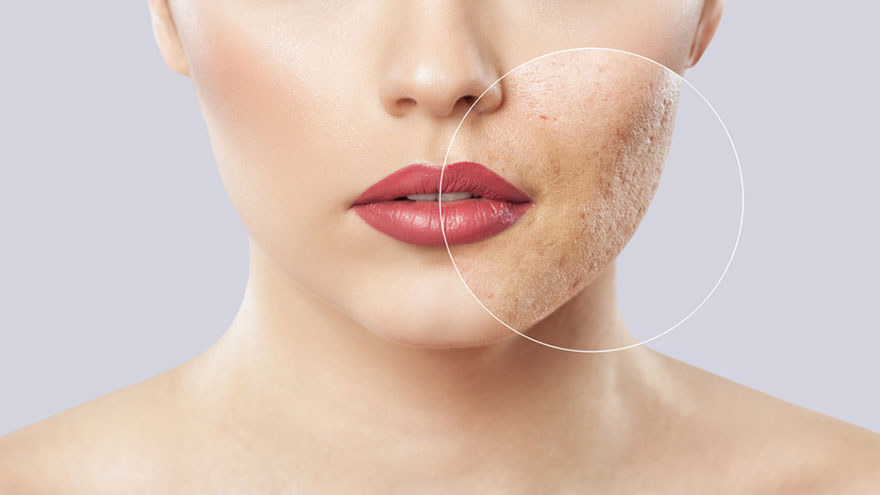
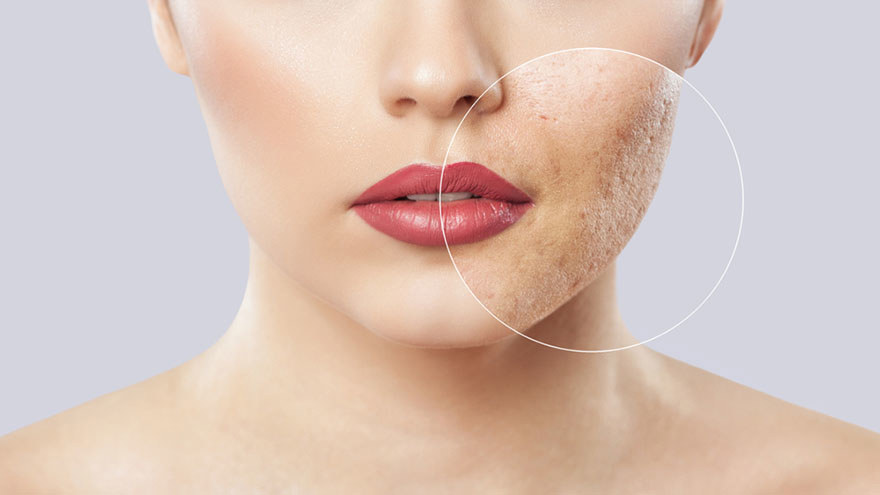
Imagine this: you’ve prepared carefully for an important meeting, but as soon as the stress builds, your cheeks flush bright red. Or perhaps, no matter how many calming creams you try, the redness around your nose and chin never seems to fade. For many patients we see in Gangnam, facial redness isn’t just a cosmetic frustration — it’s a daily struggle that affects confidence, social comfort, and sometimes even skin health.
At Delight Dermatology Clinic, we meet patients who are often surprised to learn that “red skin” isn’t a single condition. Redness can come from sensitive capillaries, chronic inflammation, or underlying conditions like rosacea or eczema. Some patients experience intermittent flushing, while others develop persistent redness that lingers even when the skin feels calm. Understanding the root cause is the first step toward real, lasting relief.
Why Does Facial Redness Happen?
Facial redness is a broad symptom with multiple possible triggers. Recognizing the difference is crucial because treatments vary depending on the cause.
Rosacea – A chronic inflammatory skin condition that often begins with intermittent flushing but can progress to persistent redness, visible vessels, and acne-like bumps. Rosacea is particularly common in adults in their 30s–50s, and in Korea, patients sometimes mistake it for adult acne. Left untreated, rosacea can worsen over time, making early diagnosis important.
Dilated Capillaries (Telangiectasia) – These are tiny broken or enlarged blood vessels just beneath the skin surface. They often appear as red or purple lines on the cheeks, nose, or chin. Causes include genetics, sun damage, and natural aging. For many patients, this is one of the first visible signs of “fragile skin.”
Post-Inflammatory Erythema – After acne heals, patients are sometimes left with lingering redness where lesions once existed. Unlike pigmentation (brown marks), erythema reflects vascular changes. Younger patients, especially teens and those in their 20s, find this frustrating because their acne clears but the redness remains.
Seborrheic Dermatitis – A condition that causes redness, scaling, and itching, often around the nose, eyebrows, and scalp. Many people think of it as “persistent irritation” when in fact it is a treatable condition.
General Skin Sensitivity – Some patients have skin that flushes easily due to temperature changes, spicy foods, alcohol, or emotional stress. In Korea, this sensitivity is often worsened by overuse of exfoliating acids or at-home aesthetic devices, which compromise the skin barrier.
What many patients overlook is that redness isn’t always about the surface. It reflects deeper vascular and inflammatory activity in the skin. Without addressing that root cause, redness tends to recur — no matter how soothing a cream may feel in the moment.
Treatment Approaches for Facial Redness
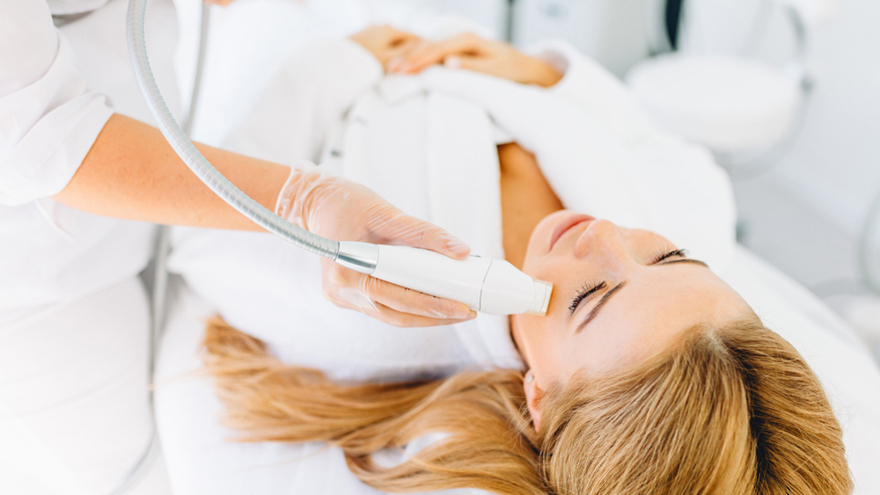
At-home calming products may temporarily relieve redness, but persistent or recurring redness usually requires medical care. At Delight Dermatology, we use a layered approach combining dermatological science with aesthetic artistry.
1. Laser & Light-Based Therapies
Energy-based devices remain the gold standard for targeting vascular redness.
V-Beam (Pulsed Dye Laser) – One of the most widely trusted devices for treating vascular lesions and rosacea. V-Beam specifically targets hemoglobin (the red pigment in blood), shrinking overactive vessels while leaving surrounding skin intact. Patients typically notice improvement after 2–3 sessions, though maintenance may be needed.
IPL (Intense Pulsed Light) – This broad-spectrum light therapy improves redness, pigmentation, and overall tone, making it ideal for patients with both vascular and pigmentary concerns. In Korean beauty culture, where even tone and “glass skin” are prized, IPL is a versatile option.
Long-Pulsed Nd:YAG Laser – Useful for deeper or larger blood vessels that do not respond well to other devices. It penetrates more deeply into the dermis, addressing redness that sits below the surface.
Think of these devices as “turning off the overactive switches” in blood vessels that cause flushing and chronic redness. The choice of laser depends on the depth, severity, and distribution of redness — which is why a detailed consultation is key.
2. Anti-Inflammatory Medical Treatments
For patients with inflammatory conditions like rosacea or seborrheic dermatitis, topical or oral medication may be necessary.
Prescription Creams – Metronidazole, azelaic acid, and ivermectin are common topical treatments that reduce inflammation and suppress the overactive immune responses seen in rosacea.
Oral Medications – In moderate to severe rosacea, low-dose doxycycline (an antibiotic with anti-inflammatory effects) may be used. Unlike antibiotics for infection, the goal here is to calm skin inflammation rather than fight bacteria.
Anti-Fungal Creams – For seborrheic dermatitis, topical antifungal creams can help normalize yeast activity on the skin, reducing both redness and flaking.
These treatments are often combined with laser therapy to manage both the root inflammation and the visible vascular changes.
3. Barrier Strengthening & Skin Rejuvenation
A weak skin barrier makes redness more persistent and easily triggered. At Delight Dermatology, we emphasize skin barrier restoration alongside vascular treatments.
Hydration & Barrier Repair Programs – Medical-grade moisturizers, ceramide-rich formulations, and in-clinic calming infusions help rebuild the skin’s defense.
Potenza RF Microneedling – While many patients associate Potenza with pore tightening and lifting, it also improves post-acne redness by remodeling collagen and normalizing vascular responses in healing skin.
Calming In-Clinic Procedures – Gentle treatments like oxygen therapy, soothing LED light, and anti-inflammatory masks can help reduce sensitivity and strengthen skin resilience.
This step ensures that redness control isn’t just cosmetic — it supports long-term skin health.
4. Lifestyle & Trigger Management
Patients often ask, “Is there anything I can do at home?” The answer is yes — but it must be personalized.
Common triggers to consider:
Spicy foods, alcohol, and hot beverages (coffee, tea) may worsen flushing.
Sudden temperature shifts (hot showers, saunas, cold winds) can provoke redness.
Overuse of exfoliating acids (like AHA/BHA) or at-home lasers can compromise the skin barrier.
Inconsistent sun protection leads to cumulative UV damage, which weakens capillaries.
In Korea, we frequently see patients who diligently invest in serums and masks but skip consistent SPF — a mistake that directly worsens redness and vascular fragility. Building daily habits around sun protection and gentle skin care dramatically improves long-term outcomes.
What Results Can You Expect?

When patients commit to both in-clinic treatments and home care, improvements are noticeable and sustainable.
Short-term (1–2 sessions): Redness appears calmer, flushing becomes less dramatic, and skin tone looks more even.
Medium-term (2–4 months): Persistent redness diminishes, visible vessels fade, and patients often report needing less makeup to cover discoloration.
Long-term (ongoing care): With periodic maintenance, the skin becomes more resilient to triggers. Flare-ups are less frequent, and patients regain confidence in their bare skin.
One truth we always share is that redness control isn’t a “one-time cure.” Just like maintaining healthy blood pressure or cholesterol, managing vascular activity in the skin requires a long-term strategy. Patients who continue periodic maintenance treatments see the most stable results.
Why Choose a Dermatologist in Gangnam for Redness Care?
To be honest, facial redness is often underestimated. Many patients spend years trying calming serums, green-tone primers, or online “miracle creams” without realizing the issue lies deeper in the skin’s vascular network.
At a clinic like Delight Dermatology, treatment plans are:
Tailored to your exact cause of redness — not all redness is rosacea, and not all redness requires the same device.
Performed with advanced technology — V-Beam, IPL, Potenza, and Nd:YAG allow us to address different vascular depths safely.
Guided by global expertise — Dr. Yun Sang Youl, Mayo Clinic training ensures international-level precision and patient safety.
Supported with long-term programs — not just a one-time laser session, but a comprehensive skin health partnership.
Patients in Gangnam, Seoul — both local and international — often seek care not only for results but also for reassurance. Knowing your skin is managed by board-certified dermatologists with advanced technology provides peace of mind, especially for conditions like rosacea that require careful, ongoing management.
Taking the Next Step
If you’ve been living with persistent facial redness, you don’t need to hide behind makeup or avoid social situations. With today’s dermatology, redness can be managed effectively, restoring both clear skin and self-confidence.
Consider a consultation at a trusted Gangnam dermatology clinic like Delight Dermatology — where advanced devices, global expertise, and personalized care come together to restore calm, even-toned skin.
Remember: redness isn’t just a cosmetic issue. It’s your skin asking for attention. The sooner you understand its cause and treat it correctly, the sooner you can enjoy skin that feels as calm as it looks.