Personalized dermatology care in Gangnam, Seoul
en-US

Understanding and Managing Rosacea
Discover effective tips for understanding and managing rosacea symptoms. Learn causes, treatments, and skincare strategies to calm flare-ups today.
Introduction
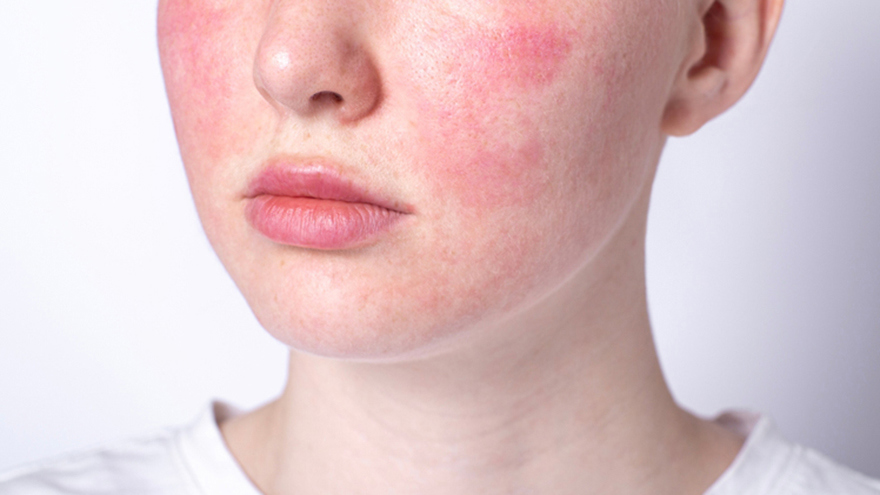
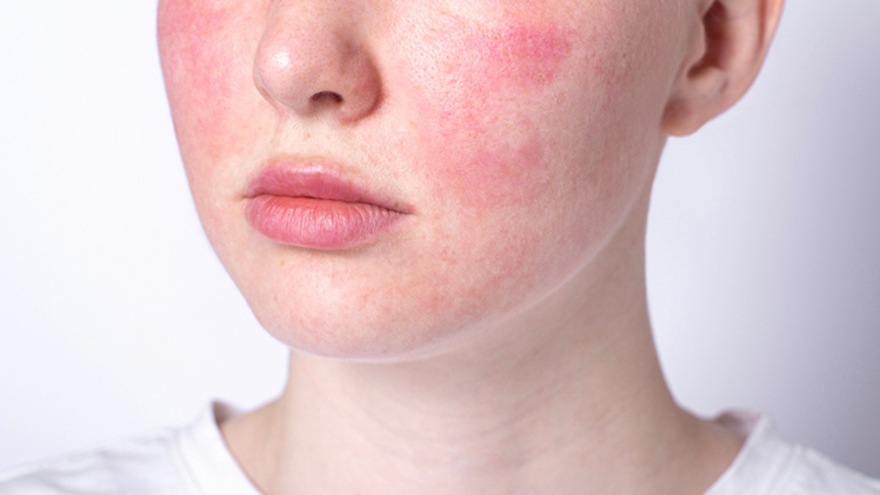
It often starts subtly — a bit of flushing after coffee, a persistent warmth on the cheeks after a glass of wine, or redness that just won’t fade even with calming skincare. Many of our patients at Delight Dermatology Clinic in Seocho-gu first come in thinking it’s just sensitive skin or “stress redness.” But what they’re often describing is something much more specific: rosacea.
Rosacea isn’t simply blushing or irritation. It’s a chronic inflammatory skin condition that, if unmanaged, can quietly worsen over time — leading to visible blood vessels, thickened skin, and even ocular discomfort. Yet the good news is this: with early intervention and personalized management, rosacea can be controlled beautifully, often allowing the skin to return to a calm, balanced, and healthy appearance.
What Exactly Is Rosacea?
Rosacea is a chronic inflammatory disorder of the facial skin characterized by redness, visible capillaries (telangiectasia), papules, pustules, and sometimes thickened skin or eye irritation. It’s most commonly seen in adults between 30 and 60 years old, and in Korea, it often appears in fair to medium skin types who are sensitive to heat, alcohol, spicy food, or stress.
At its core, rosacea involves vascular hyperreactivity — meaning that the tiny blood vessels in the skin dilate more easily and stay open longer than they should. Over time, repeated dilation triggers inflammation and structural changes in the skin’s barrier and capillaries.
Dermatologists often classify rosacea into four main subtypes:
Erythematotelangiectatic Rosacea (ETR): Persistent redness and visible vessels — the classic “flushed face” type.
Papulopustular Rosacea (PPR): Red bumps and acne-like pustules, often mistaken for adult acne.
Phymatous Rosacea: Skin thickening and enlargement, most often on the nose (rhinophyma).
Ocular Rosacea: Red, irritated eyes with a gritty sensation — sometimes appearing before skin symptoms.
What many Gangnam patients don’t realize is that rosacea isn’t just a surface issue — it’s a vascular and immune condition that requires both internal balance and targeted dermatologic care.
Common Triggers: Why Your Skin Keeps Flushing
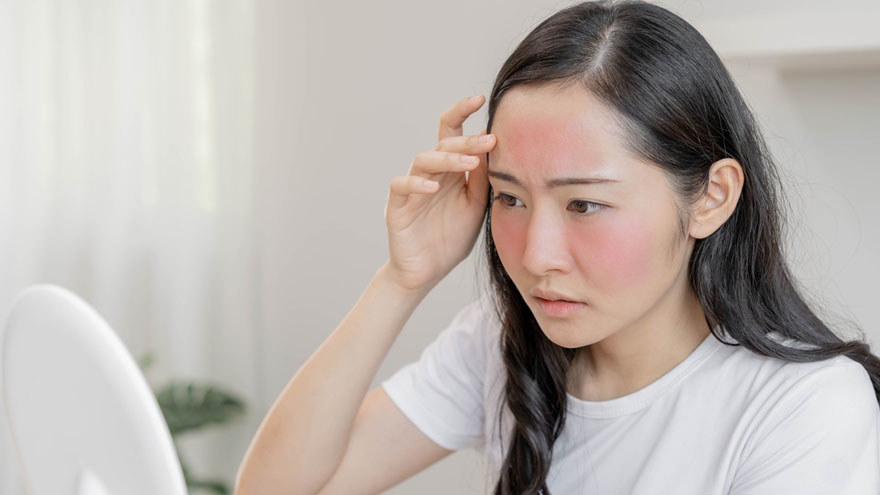
Rosacea flares are often unpredictable, but in our clinic’s experience, certain triggers appear again and again. Understanding and avoiding these can reduce flare-ups significantly.
Heat and Sun Exposure: Korean summers, saunas, and hot yoga are frequent culprits.
Alcohol and Spicy Foods: Red wine, soju, kimchi, or hotpot — these dilate blood vessels instantly.
Stress and Lack of Sleep: Emotional stress increases neurovascular sensitivity.
Overuse of Harsh Skincare: Acid peels, strong retinoids, or home lasers often worsen the barrier.
Weather Extremes: Sudden changes between cold outdoor air and heated indoor environments.
To be honest, what many patients in Gangnam overlook is the role of cumulative micro-triggers — not just one night of drinking, but the daily friction of makeup removal, prolonged mask use, and indoor heating that adds up over months.
Why Over-the-Counter Products Often Fail
A common story we hear: “I tried every calming cream, but my redness keeps coming back.”
The reason is that rosacea is not simply sensitive skin — it’s an inflammatory vascular condition. Moisturizers alone can’t retrain overactive capillaries or suppress inflammation beneath the surface. In fact, certain “soothing” products with essential oils, menthol, or alcohol may worsen the problem.
Dermatologist-guided care is essential because managing rosacea means addressing multiple levels:
Reducing vascular hyperreactivity (using medical-grade laser or light therapy)
Controlling inflammation (with prescription topicals or oral agents)
Repairing the skin barrier (with tailored skincare and hydration)
Preventing flare triggers (through lifestyle adjustments and maintenance therapy)
Evidence-Based Treatments That Work
At Delight Dermatology Clinic, rosacea treatment is not a one-size-fits-all approach. We design programs that blend medical precision and aesthetic sensibility, using world-class technologies and careful, stepwise management.
1. Laser and Light Therapy
The cornerstone of visible redness control involves targeting the dilated vessels themselves.
Vascular Lasers (Vbeam, Excel V, or Genesis): These precisely coagulate abnormal vessels, reducing redness and improving skin tone without damaging surrounding tissue.
Intense Pulsed Light (IPL): Excellent for diffuse flushing and pigmentation that coexists with rosacea.
Potenza RF Microneedling: For patients with both rosacea and texture concerns, RF microneedling can strengthen the dermis while minimizing inflammation triggers.
Most patients see visible improvement after 2–4 sessions, with redness fading and skin tone evening out gradually. What’s equally important is maintenance — once the vessels are calmed, we recommend periodic touch-ups every 6–12 months to prevent recurrence.
2. Prescription Topicals and Oral Medications
Depending on the severity, your dermatologist may prescribe:
Topical Metronidazole or Azelaic Acid: Anti-inflammatory and antimicrobial benefits.
Topical Brimonidine or Oxymetazoline: Temporarily constrict blood vessels to reduce flushing.
Oral Doxycycline (Low-Dose): For moderate to severe cases, it reduces inflammation rather than acting as an antibiotic.
Isotretinoin (Low-Dose): Occasionally used in refractory rosacea with sebaceous thickening.
These prescriptions are carefully adjusted to minimize irritation — especially important for patients who have previously overused active ingredients or at-home devices.
3. Skin Barrier Restoration and Home Care
Rosacea-prone skin is often dehydrated and fragile. Our team emphasizes barrier recovery as a parallel priority.
We guide patients toward:
Gentle, non-foaming cleansers
Fragrance-free, ceramide-rich moisturizers
Daily mineral sunscreen (zinc oxide or titanium dioxide)
Avoiding hot water and abrasive scrubs
In our clinic’s view, the “calming” process isn’t about hiding redness — it’s about teaching the skin to self-regulate again.
Lifestyle & Long-Term Management
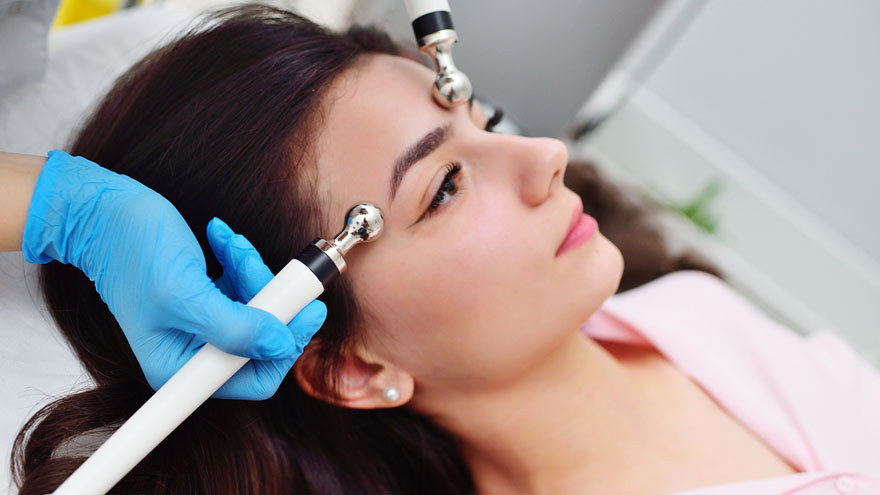
Rosacea management doesn’t end with a single treatment cycle. It’s a lifestyle partnership — one that many of our long-term patients appreciate once they see stability returning to their skin.
Here’s what we emphasize during follow-ups:
Temperature awareness: Avoiding hot baths, heated blankets, or prolonged sun exposure.
Alcohol moderation: Even small amounts can trigger flushing in sensitive individuals.
Mind-skin connection: Stress management techniques like meditation or gentle exercise often reduce flares.
Regular dermatology check-ins: Rosacea is dynamic — treatment plans should evolve with your skin.
For patients who travel frequently or lead high-stress professional lives (a common Gangnam demographic), we often build portable maintenance plans — simple, consistent routines that protect the skin barrier even during hectic schedules.
Rosacea in Korean Skin: Unique Considerations
Rosacea in Korean and East Asian skin can appear slightly different than in Western populations. It often presents as diffuse redness, sensitivity, and visible pores rather than the classic thickened skin. Additionally, pigmentation or post-inflammatory erythema tends to linger longer due to melanin activity.
This means treatment requires delicate calibration — enough power to treat vessels effectively, but not so much that it triggers rebound pigmentation. At Delight Dermatology Clinic, every laser or light therapy setting is customized by Dr. Yun Sang Youl, a Mayo Clinic-trained dermatologist with extensive experience in treating both Caucasian and Asian skin tones safely.
Realistic Expectations: Calm, Not Perfect
We tell our patients openly — rosacea is a manageable condition, not a curable one. The goal is to restore balance and predictability, not chase an impossible “zero redness” standard. Over time, with proper care, the redness becomes lighter, flare frequency drops, and the skin feels stronger and more comfortable.
It’s always encouraging to see a patient who once avoided mirrors regain confidence — no longer worried that their skin will betray them with sudden flushing during a presentation or social event.
When to See a Dermatologist
If you notice:
Persistent redness that lasts longer than a few weeks
Visible blood vessels on the cheeks or nose
Frequent flushing or burning sensations
Acne-like bumps that don’t respond to acne medication
Eye irritation or sensitivity
…it’s time to consult a dermatologist. Early diagnosis allows us to control rosacea before permanent vessel dilation or skin thickening occurs.
The Delight Dermatology Approach
At Delight Dermatology Clinic, we combine medical insight with aesthetic care. Dr. Yun and Dr. Shin believe that rosacea care should feel as calm and gentle as the skin you’re trying to heal. From private, one-on-one consultations to advanced vascular lasers and post-laser soothing protocols, every step is designed to minimize inflammation and restore confidence.
Whether your concern is chronic flushing, sensitive skin, or lingering post-inflammatory redness, our clinic tailors each plan with precision — always aiming for natural, sustainable improvement, not just a temporary fix.