Personalized dermatology care in Gangnam, Seoul
en-US

What Is Stem Cell Therapy? Procedures, Results & Risks
What is Stem Cell Therapy? Explore 2026's advanced procedures, long-term regenerative results, and vital safety risks for joints, skin, and wellness.
Introduction
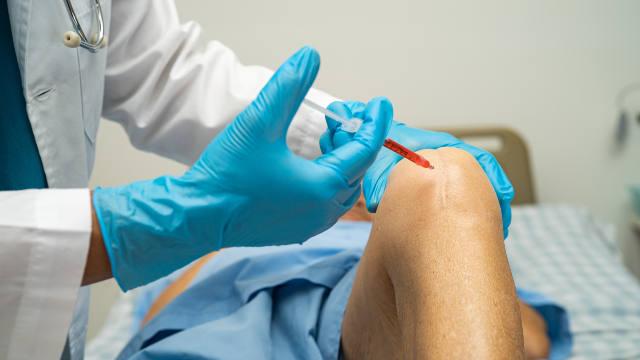
Stem Cell Therapy is rapidly changing the way we think about medicine and aging. For decades, the only way to fix a damaged joint or a sagging face was through invasive surgery. Today, we are entering an era where the body can be prompted to heal itself from the inside out. By using the body’s own "master cells," doctors can now target specific areas of damage to regenerate tissue, reduce inflammation, and restore a youthful appearance.
In this guide, we will explore what Stem Cell Therapy actually is, how the procedures work, what results you can expect, and why South Korea has become the global leader in providing this treatment at the most affordable prices.
The Frontier of Regenerative Medicine
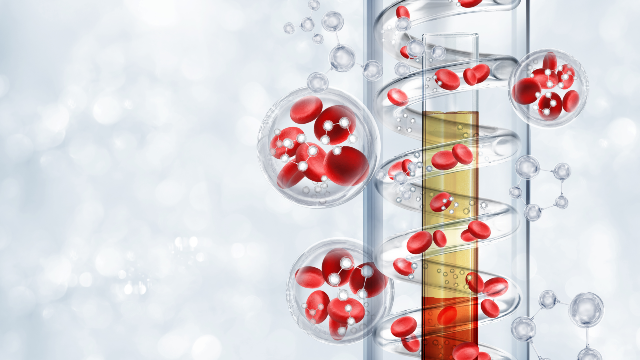
Imagine a treatment that doesn't just "mask" a problem but actually fixes the underlying cause. That is the promise of Stem Cell Therapy. Often referred to as "reprogramming" the body, this therapy uses biological building blocks to replace or repair damaged cells.
What are Stem Cells?
At their simplest, stem cells are the body's raw materials. They are "master cells" from which all other cells with specialized functions are generated. Under the right conditions, these cells can divide to form more cells called daughter cells. These daughter cells either become new stem cells or become specialized cells (differentiation) such as blood cells, brain cells, heart muscle cells, or bone cells.
The Shift Toward Biological Regeneration
Patients today are moving away from the "cutting and stitching" of traditional surgery. Instead, they are looking for "biological regeneration." Whether it is treating a painful knee or trying to reverse the signs of facial aging, Stem Cell Therapy offers a way to achieve results without the long scars and high risks associated with the operating table.
What is Stem Cell Therapy? (The Core Science)
The core science of Stem Cell Therapy revolves around the ability of these cells to seek out inflammation and damage. Once they reach the target area, they release growth factors and signal other cells to begin the repair process.
Types of Stem Cells Used in Modern Medicine
Not all treatments use the same types of cells. Depending on your goals, a doctor will choose a specific source:
Adipose-derived Stem Cells: These are harvested from your own body fat. This is the most popular method for aesthetic and anti-aging treatments because fat contains a very high concentration of mesenchymal stem cells (MSCs).
Bone Marrow-derived Stem Cells: Usually harvested from the hip bone, these are most commonly used for orthopedic repair, such as healing torn ligaments or bone fractures.
Exosomes: This is a newer "cell-free" trend. Exosomes are the tiny bubbles released by stem cells that contain the "instructions" for healing. They are often used in skincare and hair restoration.
Comparison of Stem Cell Sources
| Source | Best Used For | Harvesting Method |
|---|---|---|
| Adipose (Fat) | Anti-aging, Facial volume, Skin texture | Mini-liposuction |
| Bone Marrow | Joint repair, Spine, Orthopedics | Needle aspiration |
| Exosomes | Hair loss, Topical skin healing | Laboratory-derived |
Key Applications: What Can It Actually Treat?\n
Stem Cell Therapy is incredibly versatile. Because these cells can become many different types of tissue, their applications span across multiple medical fields.
Anti-Aging & Facial Rejuvenation
When injected into the face, stem cells work to improve skin elasticity and thickness. They stimulate the production of new collagen and elastin. Unlike traditional fillers that just add volume, stem cells actually improve the health and "glow" of the skin tissue itself.
Hair Restoration
For patients with thinning hair, stem cells can be injected into the scalp. They work by revitalizing dormant hair follicles and improving the blood flow to the scalp. This leads to thicker, stronger hair growth without the need for a hair transplant.
Orthopedic Repair
This is perhaps the most life-changing application. Patients with chronic joint pain in the knees, hips, or shoulders can use stem cell injections to reduce inflammation and potentially regrow worn-down cartilage. Many athletes use this to avoid or delay joint replacement surgery.
Sexual Wellness
Regenerative medicine is also being used to improve sexual health. For both men and women, stem cell injections can improve blood flow and nerve sensitivity, offering a natural solution for rejuvenation in intimate areas.
The Procedure: What Happens During Treatment?
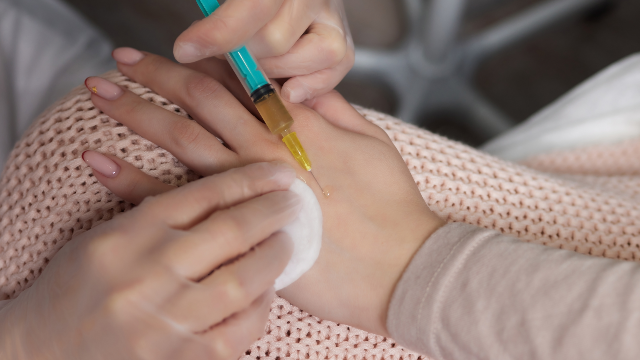
The thought of "harvesting cells" can sound intimidating, but the modern Stem Cell Therapy procedure is surprisingly straightforward and usually performed as an outpatient treatment.
Phase 1: Harvesting
The doctor begins by extracting the cells. If using adipose-derived cells, a mini-liposuction is performed. A small amount of fat is taken from the abdomen or thigh using a thin needle. This is done under local anesthesia, so the patient remains awake but feels no pain.
Phase 2: Processing
The harvested fat or bone marrow is placed into a high-speed centrifuge. In a specialized laboratory or "bio-lab," the sample is spun to isolate the "Stromal Vascular Fraction" (SVF), which is rich in stem cells and growth factors.
Phase 3: Reinjection
Once the most potent cells are isolated, they are prepared for delivery. The doctor then injects these concentrated cells directly into the target area—whether that is a knee joint, the face, or the scalp.
Expected Results & Recovery Timeline
It is important to understand that Stem Cell Therapy is a "marathon, not a sprint." Because the cells need time to build new tissue, you won't see the full results overnight.
The Timeline of Healing
| Time After Procedure | What is Happening? |
|---|---|
| Days 1–7 | Minor swelling at the injection/harvest site. Inflammation begins to subside. |
| Weeks 2–4 | The cells begin signaling and tissue repair starts. Initial skin "glow" appears. |
| Months 3–6 | Peak Results. Collagen production is high, and joint pain is significantly reduced. |
| 1 Year+ | The regenerative effects can continue to provide benefits for 12 to 24 months. |
The Recovery Advantage
Unlike surgery, which requires weeks of bed rest, the downtime for stem cell treatment is minimal. Most patients can return to work within 24 to 48 hours. There are no large incisions to care for, only tiny puncture marks that heal quickly.
Safety, Risks, and Candidacy
While Stem Cell Therapy is generally very safe, it is still a medical procedure that requires a qualified specialist.
Who is an Ideal Candidate?
The best candidates are individuals in generally good health who have realistic expectations. Stem cells work best in a body that has the nutrients to support repair. Smokers or individuals with severe chronic illness may see slower results.
Potential Risks
Risks are rare, especially when using autologous cells (your own cells). Because the cells come from your own body, there is zero risk of rejection or allergic reaction. Potential minor risks include:
Temporary bruising at the harvest site.
Mild swelling or redness at the injection site.
Minor infection (avoided by choosing a sterile, high-end clinic).
Global Cost Comparison: Why South Korea Leads the World
When patients look for the best place to receive Stem Cell Therapy, South Korea consistently tops the list. The country is a global hub for biotechnology. The South Korean government has invested heavily in regenerative medicine infrastructure, leading to some of the most advanced bio-labs in the world.
The Strategic Advantage of Seoul
In South Korea, stem cell treatments are highly regulated but also highly accessible. Because there are so many specialized centers, competition is high, which keeps the prices low for international patients. Furthermore, South Korean doctors are world-renowned for their precision in harvesting and processing cells to ensure a high "cell count"—which is key to a successful result.
Global Stem Cell Therapy Cost Comparison
| Country | Estimated Cost (USD) | Technology Level | Why Choose? |
|---|---|---|---|
| South Korea | $3,000 – $8,000 | Ultra-Advanced | Cheapest prices with world-class biolabs. |
| USA | $10,000 – $25,000 | Advanced | Highly regulated but extremely expensive. |
| Europe | $8,000 – $15,000 | High | Good quality but high overhead costs. |
| Thailand | $5,000 – $10,000 | Moderate | Popular for tourism, but varies in lab tech. |
Choosing the Right Clinic: Questions for Your Surgeon
Before you book your trip to Seoul clinic, you should ask these three critical questions:
Do you have an on-site cell processing laboratory? The faster the cells are processed, the more viable they are.
What is the estimated cell count per injection? Successful therapy depends on having enough cells to trigger a healing response.
Are the cells autologous? Always ensure the clinic is using your own cells to avoid the risks associated with donor cells.
Frequently Asked Questions
1.Is Stem Cell Therapy Painful?****
The extraction is done under local anesthesia, so you will only feel minor pressure. The reinjection feels similar to a standard filler or vitamin injection. Most patients describe it as "very tolerable."
2.How Many Sessions Will I Need?****
Most patients see significant improvement after just one session. However, depending on the severity of the condition (like advanced arthritis), some choose "booster" treatments every 1–2 years to maintain the anti-aging effects.
3.How Is South Korea Cheaper If The Technology Is Better?****
South Korea has a high volume of specialized centers and a very competitive medical market. Because the technology is integrated into their standard healthcare infrastructure and bio-research is government-supported, they can offer lower prices without sacrificing safety or quality.
4.Can Stem Cell Therapy Replace A Facelift?****
For patients with early to moderate aging, yes. It improves skin quality and "glow" in ways a facelift cannot. However, for severe skin sagging, it is often used as a powerful supplement to surgery to help the skin look younger and heal faster.
5.When Can I Go Back To Work?****
Most patients return to daily activities within 24 to 48 hours. Any minor swelling or bruising at the harvest site usually fades within a week, and the injection sites on the face or joints are usually invisible within a few days.
Conclusion
Stem Cell Therapy represents a massive leap forward in how we manage aging and injury. Instead of simply "masking" symptoms with drugs or "stretching" skin with surgery, we can now offer the body the tools it needs to repair itself.
While the costs in the West remain prohibitively high for many, hubs like South Korea have made this elite technology accessible to the general public. If you are looking for a long-term investment in your health and appearance, regenerative medicine is the most advanced path available today. [Book Your Consultation Now]